
Caffeine shows up everywhere in ordinary routines. Whether it starts with a cup of coffee early, moves into a pot of tea later, or comes from pieces of dark candy, amounts grow without notice. Even when someone drinks it regularly, they might fail to count every single sip across hours. Normal amounts tend to work well among healthy adults, yet levels slip easily past expected limits. Since caffeine shows up in lots of items we use daily, staying under the suggested intake can be tricky – side effects might follow without warning.
Coffee Isn’t the Only Major Source

One reason coffee stands out is its steady dose of caffeine. Still, how much you drink changes things fast. A single 8-ounce brewed cup holds roughly between 80 and 100 milligrams. When coffee shops serve cups filling half again that volume – or even twice as much – the amount climbs quickly.
Energy Drinks Pack a Punch

The number climbs when you open bigger containers, while a single can might hold up to 300 milligrams- they often pack several doses at once. If someone drinks two or three in one session, levels start nearing the FDA’s suggested upper limit of 400 milligrams for typical adults. Tea contains caffeine, too. A single cup of black tea might hold up to 50 milligrams of caffeine. Green tea typically offers less, roughly from 25 to 35 mg. When you drink multiple brews throughout the day, that amount builds up quite fast.
Sodas Add Up Quickly

Chugging down more than one twelve-ounce cola drink adds up to 30 to 40 milligrams of caffeine adding up per can. The total gets higher even if it feels like just a normal day. Irrespective of regular soda or Diet Coke, the caffeine remains more or less the same.
Chocolate Contains Hidden Caffeine

Caffeine shows up in chocolate – particularly the darker kinds. One little square could hold between 20 and 30 milligrams, sometimes additional, based on how much cocoa it holds. Standing separately, that amount doesn’t do heavy work. Yet when mixed with similar inputs across the day, it builds up quietly.
Pre-Workout Supplements

A single serving of some workout pills packs 150 to 300 milligrams of caffeine. When you add coffee to the mix, especially with pre-workout, the amount you’re getting could easily go beyond what’s advised.
Certain Medications Include Caffeine

Caffeine shows up in certain OTC pain meds, plus a few migraine pills too. A small number of extra milligrams might be added – sometimes without anyone realizing it.
“Decaf” Doesn’t Mean Zero

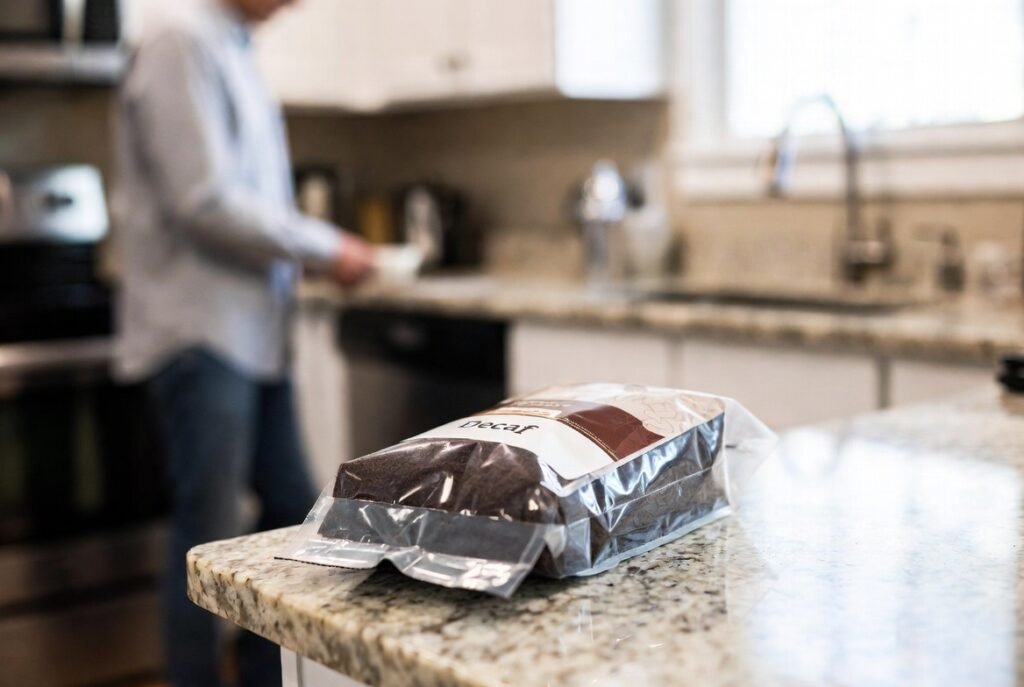
Even without caffeine, coffee often holds between 2 and 15 milligrams in every cup. That number might seem small, yet it could still affect someone who reacts strongly – especially when drinking several brews at once.
Specialty Coffee Drinks Are Stronger
When it comes to coffee creations built around espresso, they differ quite a bit. One standard shot usually holds between 60 and 75 milligrams of caffeine. Still, cups like massive lattes or slow-brewed versions can pack much higher amounts – all shaped by how they’re made.
Subtle Symptoms

Too much caffeine can lead to jittery feelings, trouble sleeping, a fast pulse, stomach upset, or nervousness. Seeing where the day’s supply comes from might show patterns if those signs show up.
