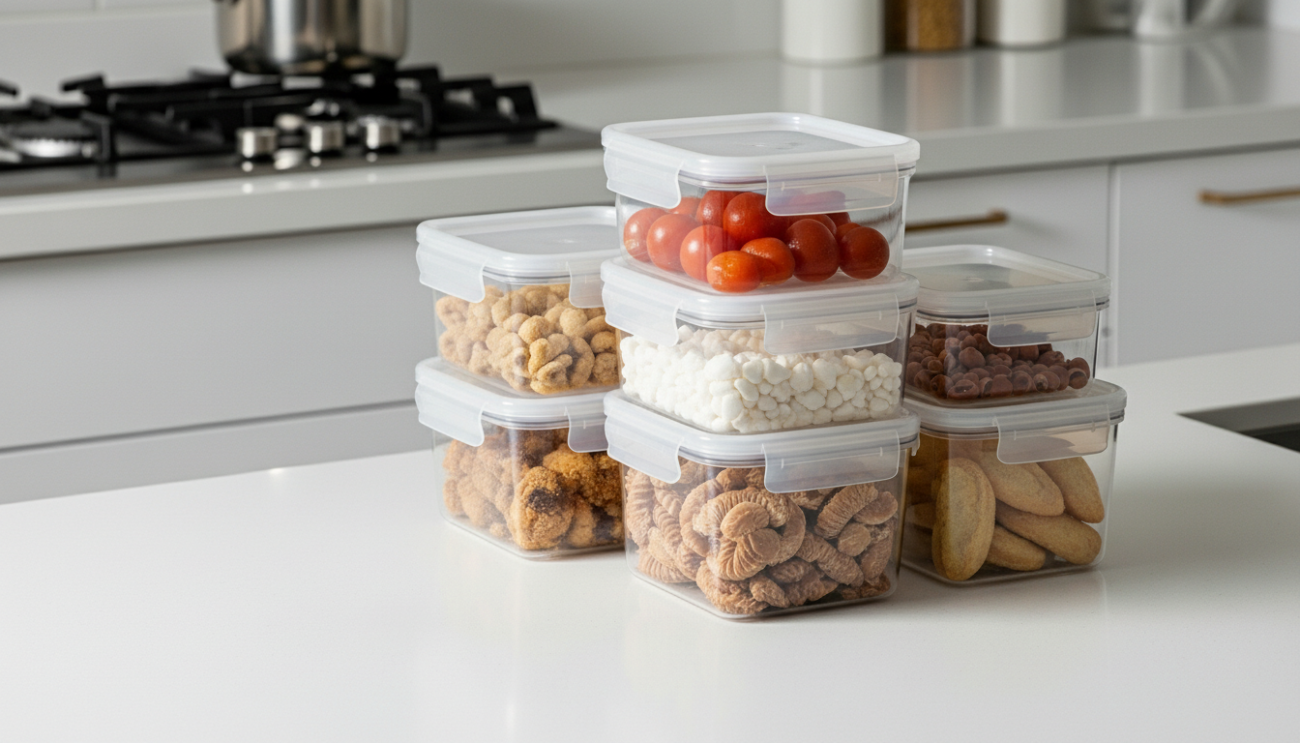
Convenience sometimes comes with hidden costs, and if the cost is health , we better look out. Plastics are a convenient option for storages , are light weight and cheap.knowing the risks of using plastics can make you smarter and healthier.
Food from the Stove

When hot meals go straight into plastic containers, chemical leaks might happen – BPA or phthalates could escape, sometimes under labels saying “BPA-free. Let food sit down just a bit warm, or switch to containers like glass or steel.
Very oily or greasy foods

Foods like curries, gravies, or fried dishes slowly wear down plastic. When mixed with oil, absorption of harmful substances becomes even quicker. Glass containers with secure lids stand out as a better choice.
Highly Acidic Foods

Tomato sauce, citrus juices, even vinegar pickles – they carry acidity that might spark reactions with plastic leading to chemicals leaks. Glass jars and ceramic containers can be used instead.
Long-Term Stored Leftovers

Plastic works fine at first, when you have to store leftovers, but they tend to absorb smells and marks over time looking tacky and unhygienic. Borosilicate glass or stainless steel are a much better option.
Microwave heating.

Plastic reacts with heat, even if it’s a microwave safe one, chemicals are more likely to reach out over time. Damaged container are more likely to release particles. Better options would be ceramics or glass containers.
Raw Meat (Long Storage)

Storing raw meat in long run can cause plastic cracking , freezer burn or possible migrations of chemicals on the long run. Bacterial and microplastic surge is also possible if they have tiny scratches on them. Replace airtight glass containers or freezer-grade bags or zipper bags.
Smelly Foods

Smell of garlic mixed with chutney, fish, spices cling fast to plastic. Stains appear without warning, aroma lingers briefly.
Sugary Syrups or Honey (Long Term)
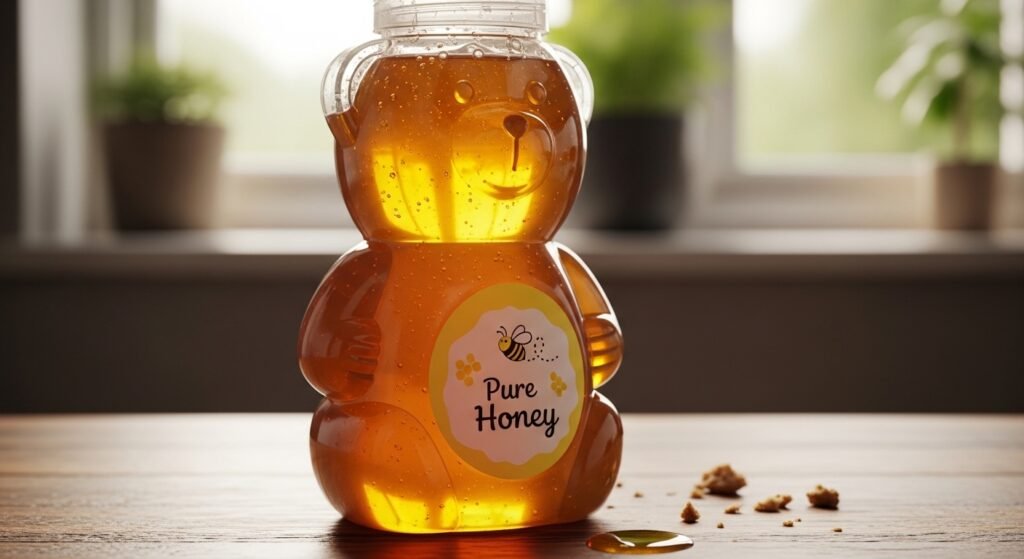
Plastic can change how something tastes, just a bit, also its overall quality may shift over days.
Food for Babies
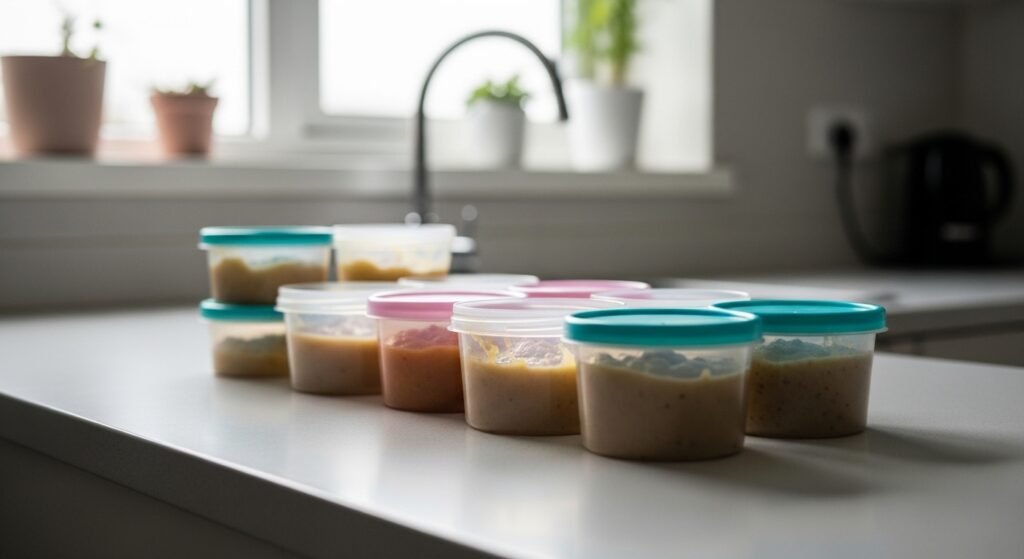
Babies react strongly to chemicals in their environment. Staying completely safe makes the most sense when it comes to them.
