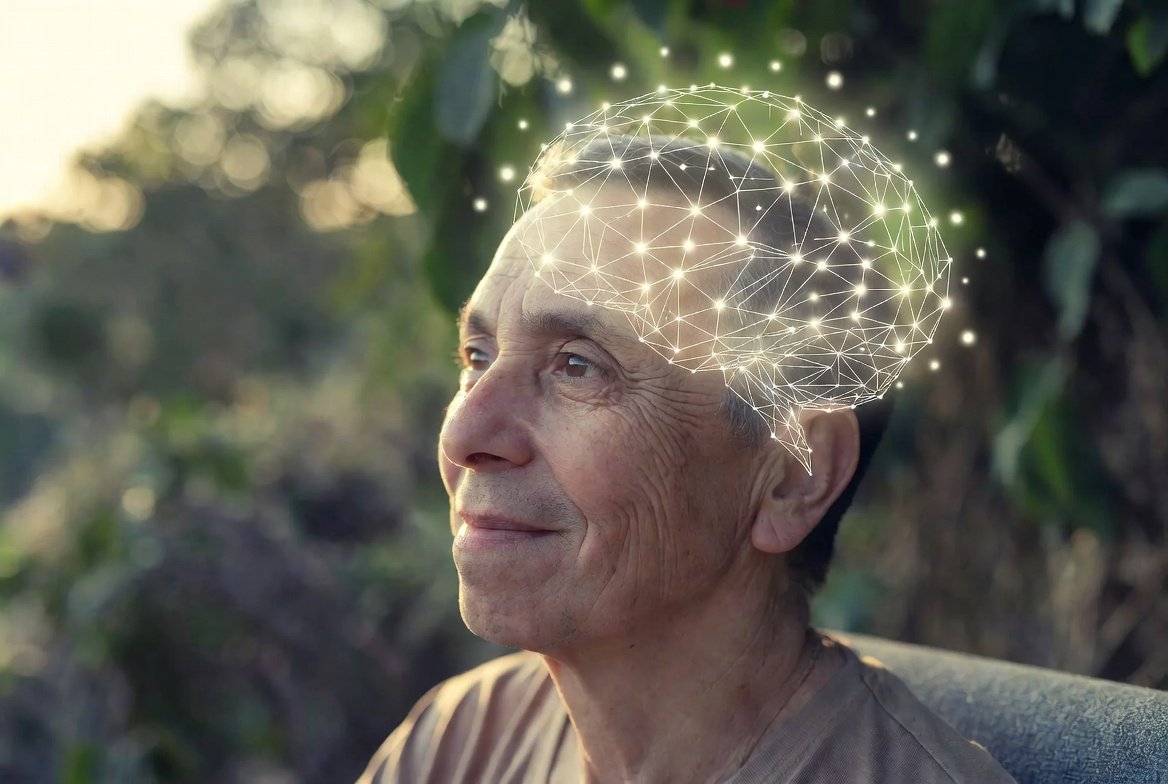
Your brain is far more powerful and more flexible than you believe. Each thought and narrative is imperceptibly contouring your emotions, behaviors, and manifestations in the world. The encouraging part is that you are not confined to the current state of your mind. The plasticity of the brain is so great that even a slight change in one’s thoughts can result in a transformation. Positive thinking does not mean refusal of reality or a forced smile; it’s a process of training the brain to find the strengths, opportunities, and progress instead of fear and doubt. Once you know how to utilize your brain, optimism will turn into a skill and a superpower that you can grow every day.
Understand Neuroplasticity – Your Brain’s Superpower
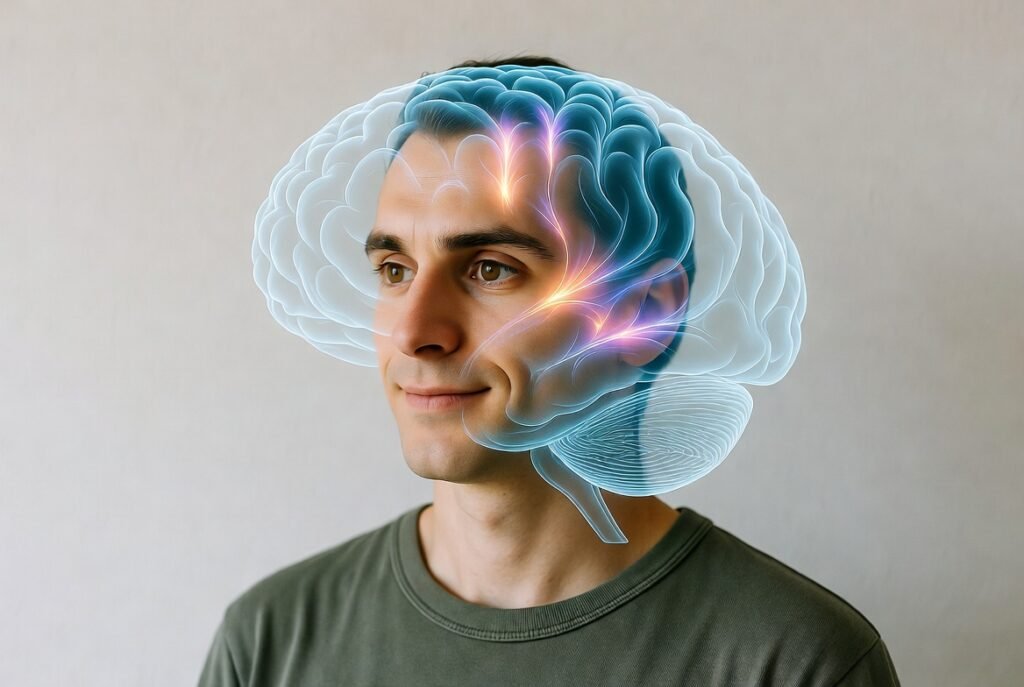
Your brain is not rigid, but it rewires itself through the process of slowly inculcating what you frequently think and do. Positive thinking enhances nerve pathways related to cheerfulness and health. In the opinion of specialists, the regular practice actually alters the brain structure, thus making the state of mind shift towards the positive side; in a way, it’s like cultivating the brain.
Practice Daily Gratitude Journaling

Every single day, make a list of three things that you feel thankful for because it trains your brain to spot the positives and not to be preoccupied with the negatives. Research reveals that this results in an increase of serotonin and dopamine. Those who maintain this habit claim not only happier feelings but also lower stress and even better sleep.
Use Positive Affirmations Regularly

When you repeatedly say empowering statements such as, “I am capable and worthy,” this will reprogram self-belief circuits. This is supported by neuroscience, as the more times a person tells themselves they are confident the more neural pathways for that and fewer for negative self-talk are created. Speak them in front of the mirror or at the start of your day.
Include Mindfulness Meditation

Just 10-15 minutes a day of focusing on the present without any judgment, deactivates the fear center (amygdala) and grows areas for emotional control and positivity. It’s one of the most researched ways to rewire for calm and optimism, brain scans show real structural changes after consistent practice.
Visualize Your Best Possible Self

Dedicate time to vividly picture your perfect future. This activity not only enhances the motivation routes but also creates a positive outlook in the prefrontal cortex. It is very easy, requires just a quarter of an hour, and scientific studies support that it brings long lasting positive changes.
Reframe Negative Thoughts Quickly

Catch a negative thought? Challenge and flip it to a balanced or positive version in seconds. This interrupts old patterns and builds new ones via neuroplasticity. Over time, it weakens negativity circuits and makes resilience automatic.
Combine with Physical Activity and Kindness

Exercise and acts of kindness have the same effect on stress reduction and happiness increase. By mixing them with the earlier activities, you can speed up the process of reprogramming your brain, for instance, walking and hearing to affirmations or doing a nice act and then writing down your gratitude.
Surround yourself with Positive People & Content

Your mind reflects the atmosphere surrounding you. Be in the company of cheerful folks, hear motivating podcasts, or be a follower of profiles that post success stories. Studies indicate that this “social contagion” of positivity not only enhances the optimistic neural pathways but also does so more quickly than when one is on their own.
Practice Loving-Kindness Meditation

Begin by wishing yourself good and then extend the same wishes to your loved ones, to neutral persons, and even to the most difficult ones. The practice of loving-kindness which is rooted in the past, makes the insula and temporoparietal junction larger, the two brain regions closely associated with empathy and positive feelings.
