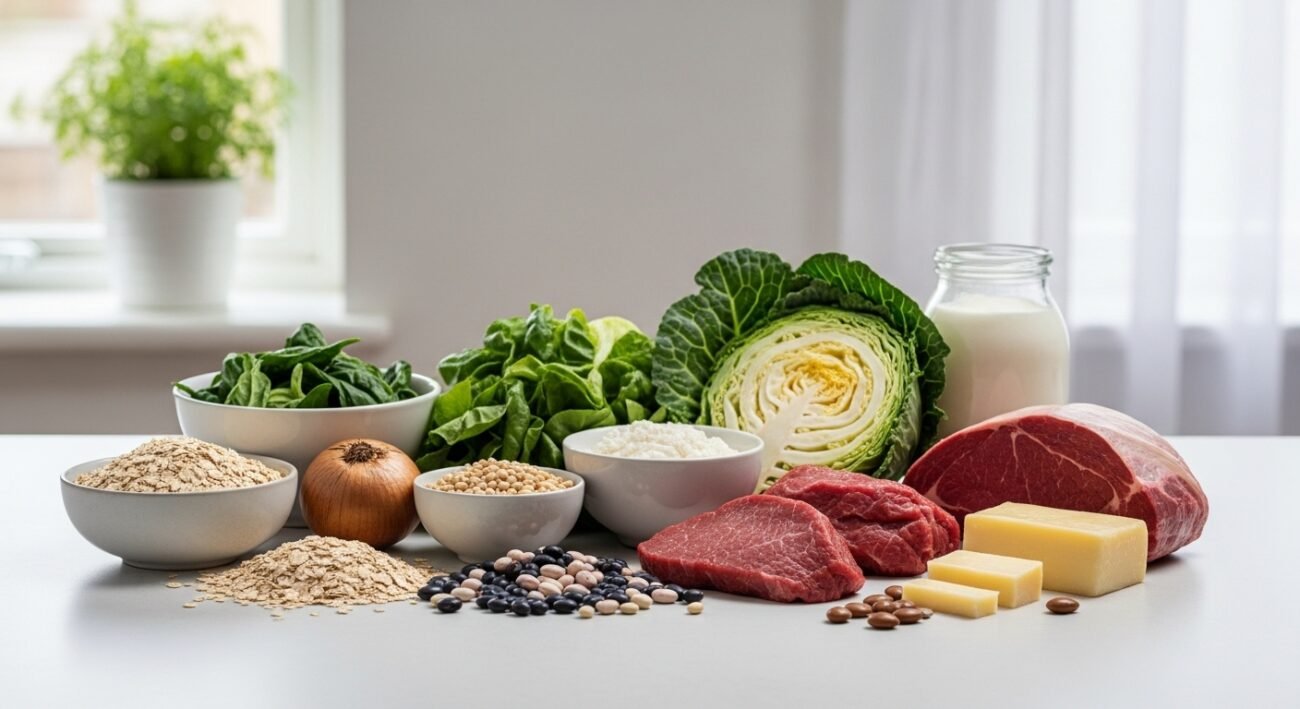
With 2026 now here, people pay closer attention to what they eat. Choices shift slowly toward routines that make sense, guided by rising interest in the gut and steady daytime energy. Instead of piling on protein like before, there’s a turn toward real, unprocessed items rich in nutrients. These picks tend to favor comfort without excess, sparked partly by better labeling standards and awareness of overly processed fare. What stands out isn’t flash but function – foods that adapt easily, deliver satisfaction, and align quietly with broader patterns seen across retail guidance. Look out; these items will pop up everywhere; think shelves, eateries, cupboards – changing what ends up on our plates. Health might shift, feelings about meals too, quietly but surely.
High-Fiber Foods and Fiber-Fortified Staples
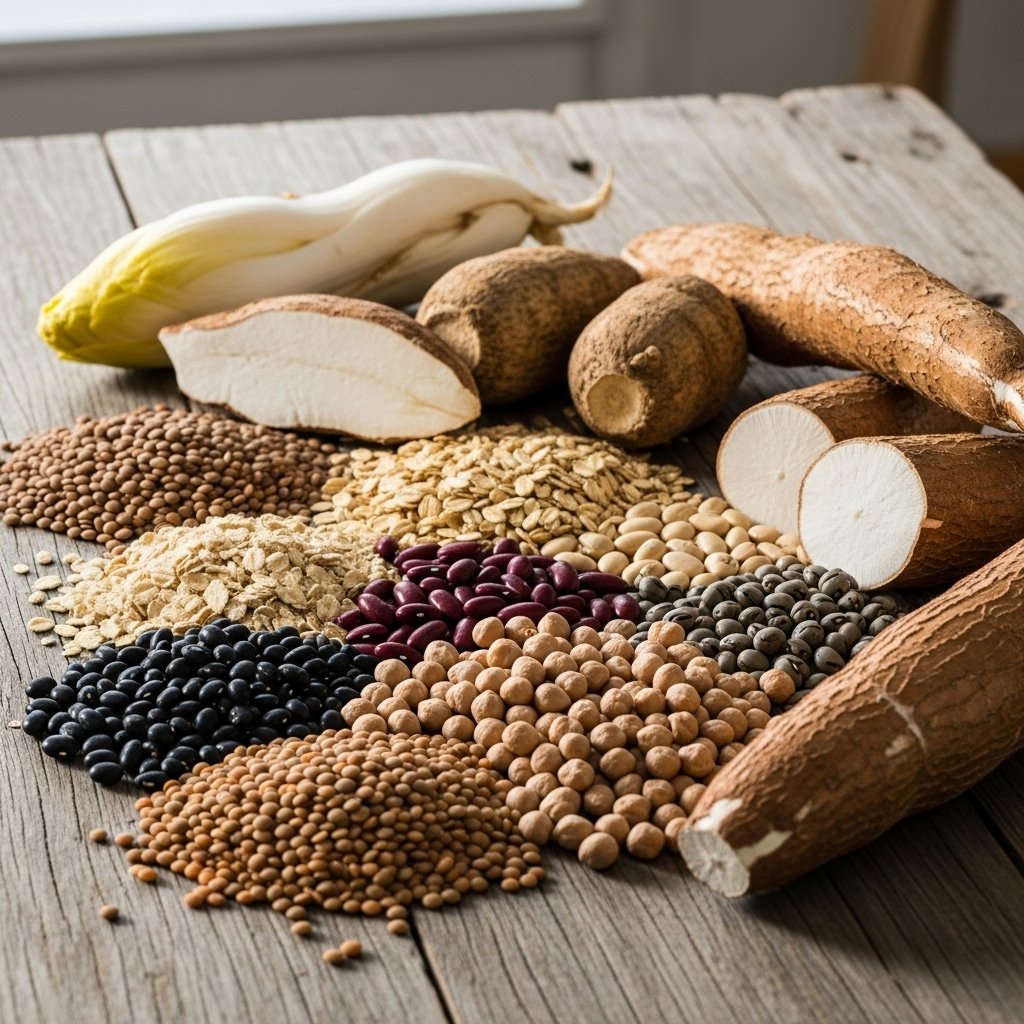
Fiber suddenly draws attention as a top dietary focus, some even joke it’s replacing protein’s popularity – dubbed “fibermaxxing.” Curiosity about digestion and a sense of lasting fullness fuel this shift. Oats, chicory root, cassava, beans, legumes, and packaged treats like chips and bars have emerged. Meals are more spaced out, and sugar levels are more consistent. Swapping regular choices for upgraded ones makes a difference.
Authentic Red Meat (Real, Less-Processed Cuts)

Long after its rise, many are questioning whether plant-based options truly belong. Flavor runs deeper when it stirs something from childhood meals. Nutrition matters most when it ties back to tables long gone. What fills us matters more to some than fancy labels. Taste often leads the way when real food takes center stage.
Cultured and Fermented Dairy

Now lighting up menus, cultured dairy packs a quiet punch. Not only do picks like Greek yogurt carry probiotics, but so does cottage cheese. Breakfast zones once held them tight; today’s crowd grabs them between meals. Recipes for evening plates now weave them in, shifting old roles without fanfare.
Cabbage The New Versatile MVP
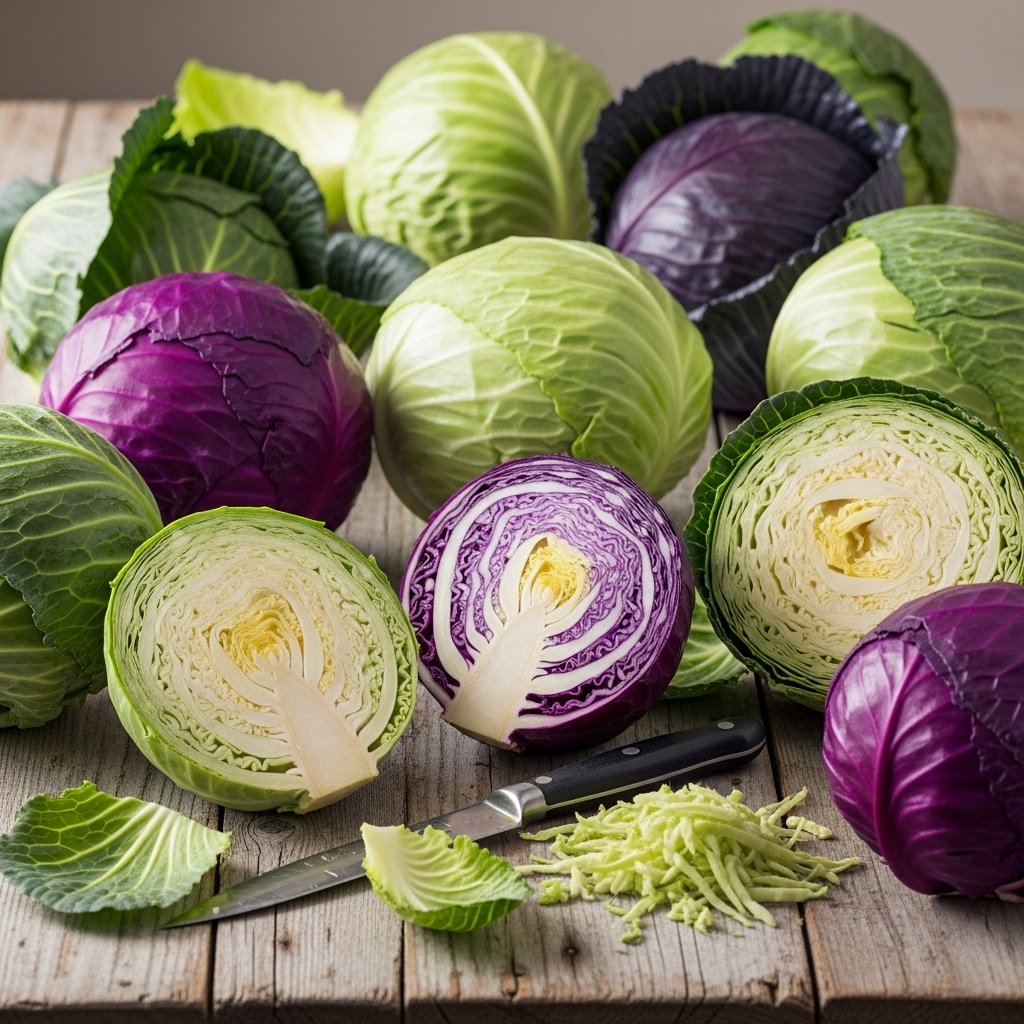
What stands out about cabbage this year is how much it beats cauliflower – cost plays a role, yet so does its snappy texture along with how easily it fits into many dishes across different kitchens. Full of nutrients while staying light on calorie count, it also happens to be high in fiber, making it ideal for feeding your body well while keeping expenses down.
Beans and Legumes (Protein + Fiber Powerhouses)
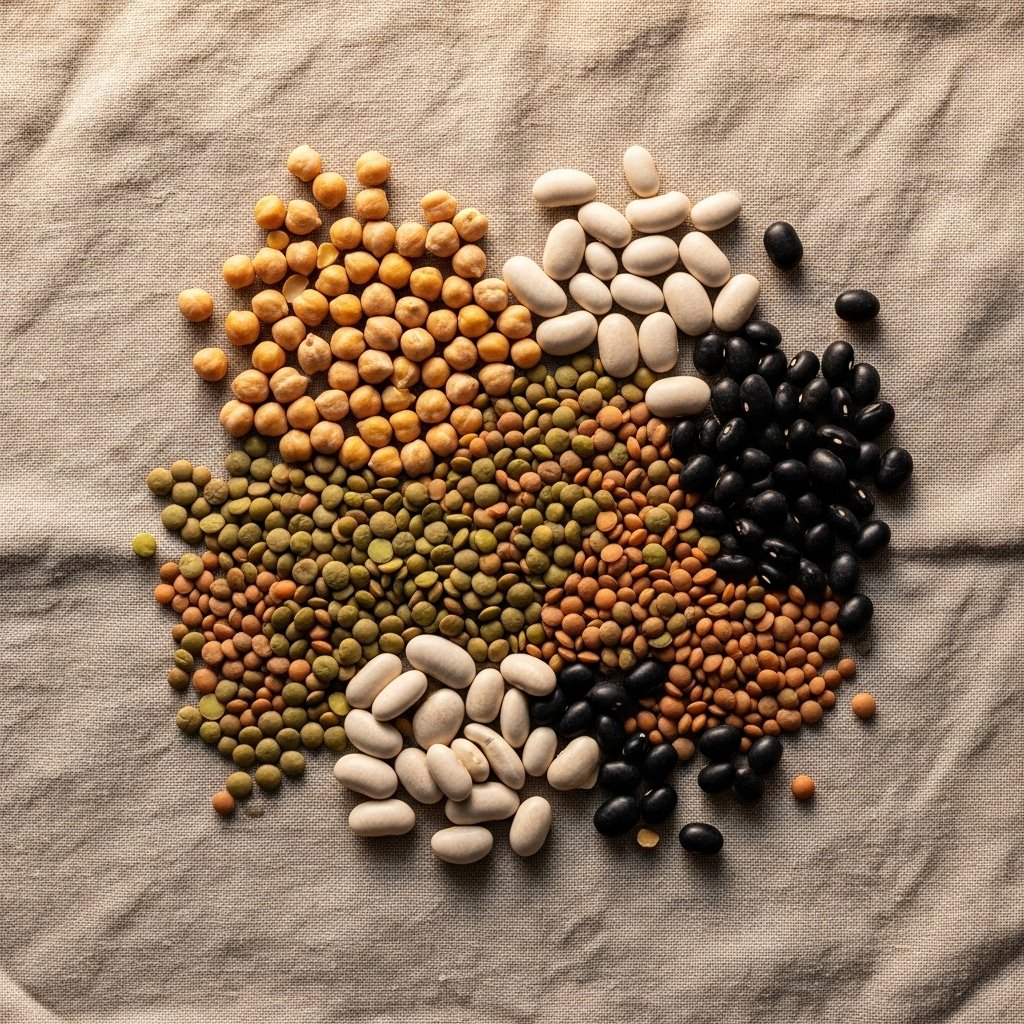
A short time back, beans and legumes hardly ever appeared beyond doctor’s books. Now they pop up all over – full of protein that needs no help, plus fiber that slows down hunger. Chickpeas, lentils, black beans overcrowd plates, containers, even sealed containers in many homes now. Health today focuses on earthy basics, community care, and visible ingredients rather than processed products.
One-Bite Snacks and Mini Meals (Grazing-Style Portions)
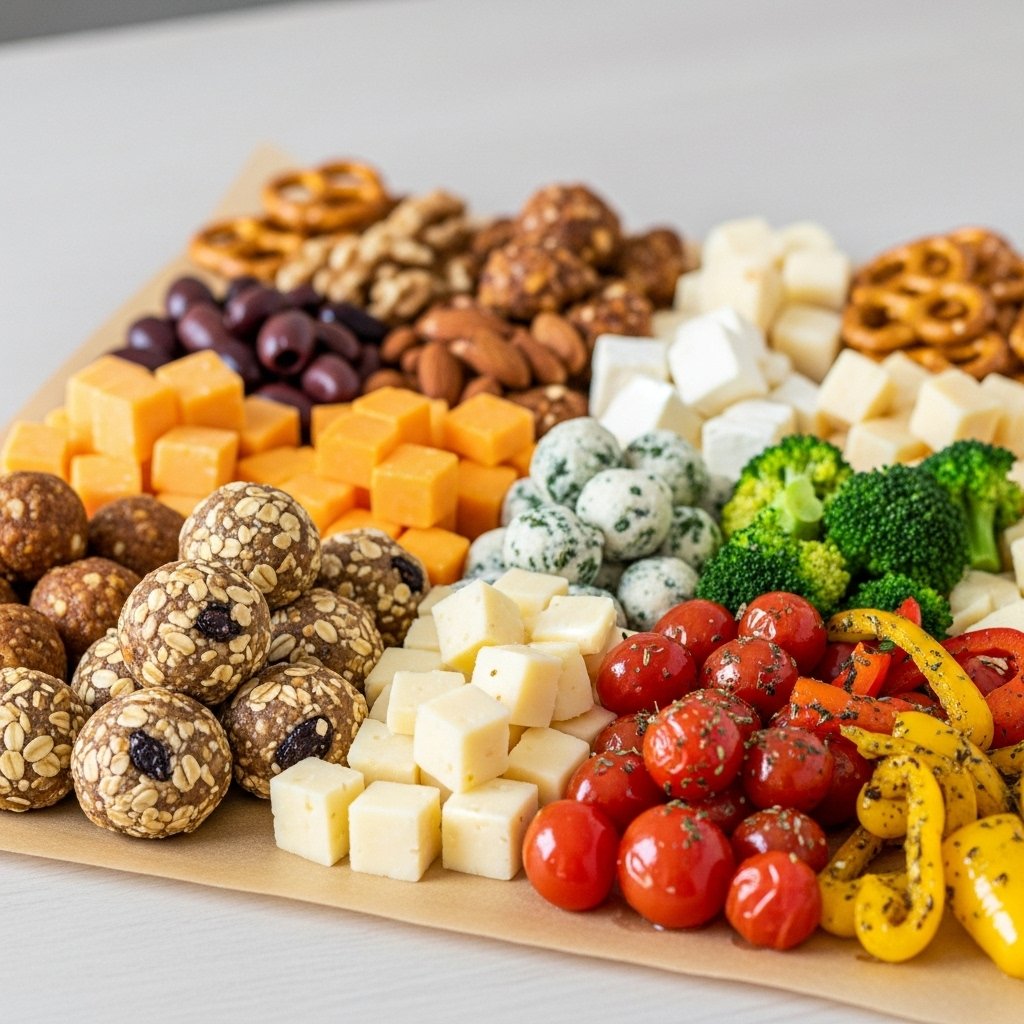
Snacking becomes everyday, through small personalized bites that make mealtime fun. Mini food versions, like energy balls, cheese chunks, and veggie sliders, provide protein and fiber in small sizes. These fit well for people who rely on GLP-1 or simply want smarter choices. Satisfying hunger without excess, they support steady routines instead of sudden binges.
Tallow and Nourishing Animal Fats

Beef tallow quietly returns, loved for its rich taste and durability in cooking. Whipped with herbs, it warms kitchens focused on real foods. People reach for it when frying things that actually taste like something. This shift comes from a deeper preference – for ingredients that need no labels, no excuses. Meals gain depth here, without overwhelming body functions.
