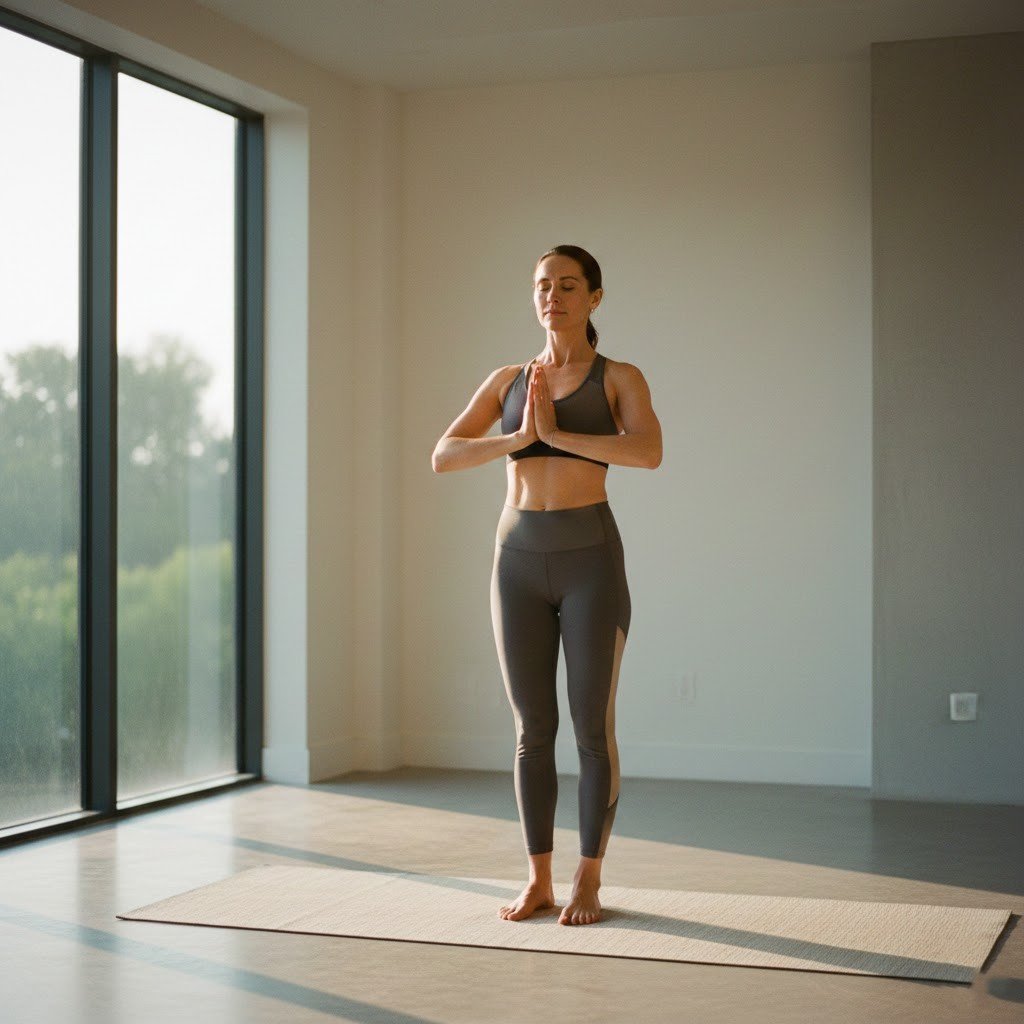
The posture tends to be pushed to the perimeter of daily existence, particularly during the long hours of sitting, browsing, and screen work. The shoulders can become round over time, the neck can be bent forward, and the lower back can become tight. These patterns are normally formed by small habits; hence, the gentle movements that are small and constant may help the body to get back to being normal again. Yoga does not require time-consuming sessions and high levels of flexibility to be helpful. Even a few conscious minutes can promote the mindfulness of the manner in which the body is positioned and propped. These are easy poses that can be practiced whenever you have a busy schedule and can even be welcoming, relaxing, and surprising to perform with patience and comfort.
Mountain pose
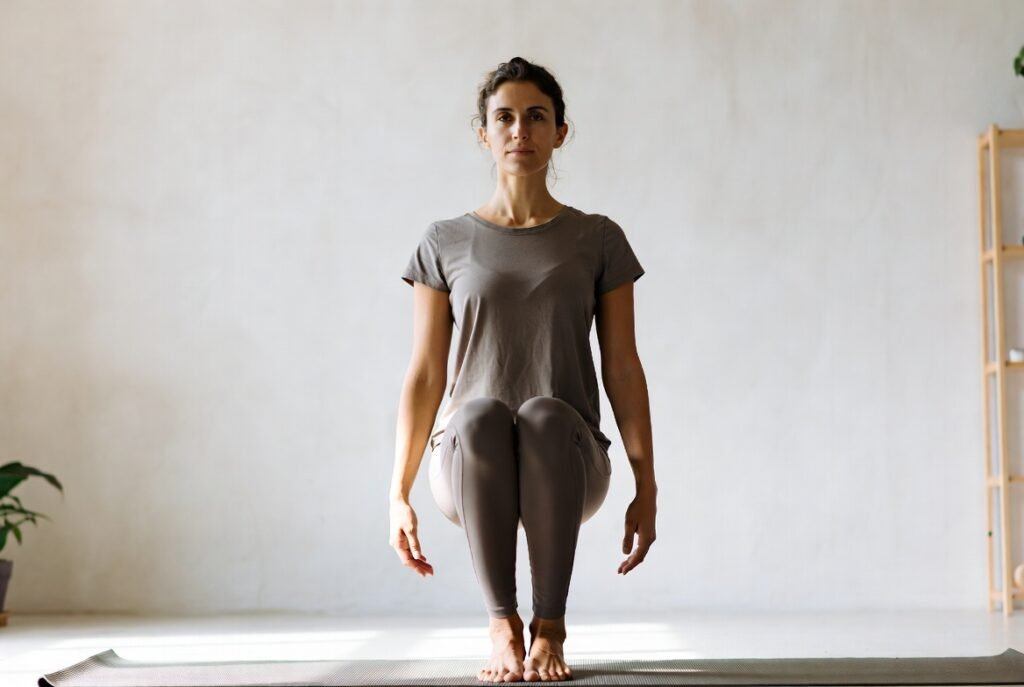
Mountain Pose might not seem challenging, but again, it reminds the body of the feeling of being upright. Being tall with bent shoulders and breathing steadily will make one aware of weight distribution, the length of the spine, and the level of the head in relation to standing and walking, which can be transferred to regular standing and walking.
Cobra pose
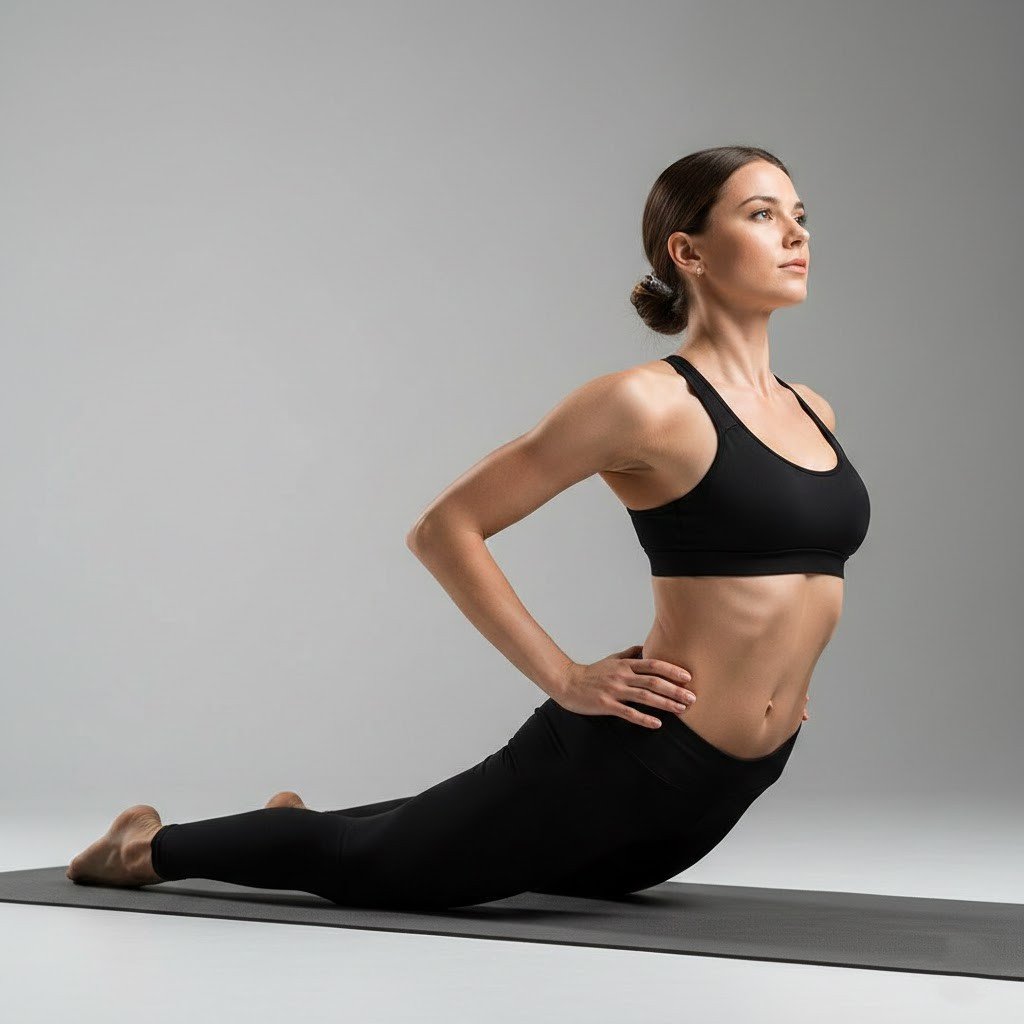
Cobra Pose with a little touch on the back muscle, and it opens the chest. It can be used to help counter the sensation of falling forward and can be helpful to remember the cooperation of the upper spine and shoulders in upright movements.
Child’s pose
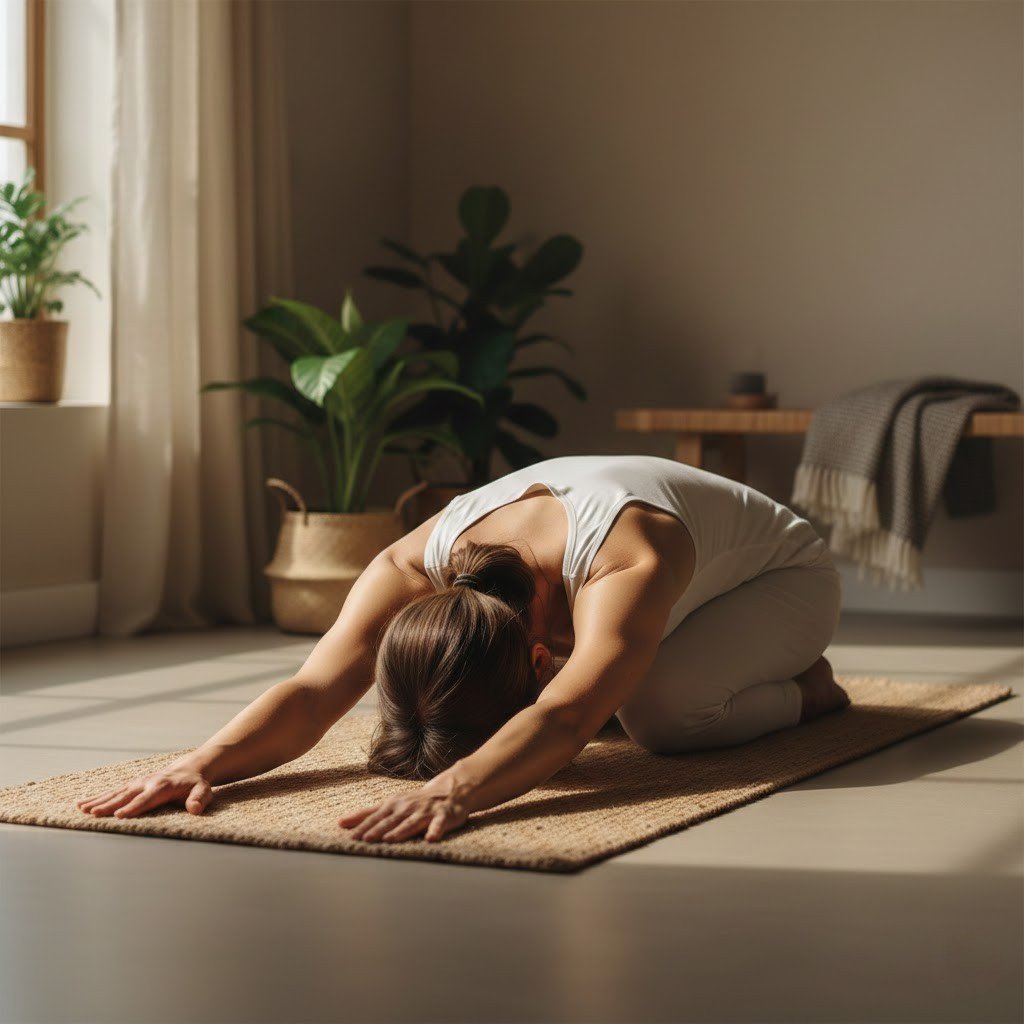
Child’s Pose provides the opportunity to relax and reset. This pose can make it possible to observe places of tension that shape the posture during the day by enabling the spine to lengthen and the shoulders to relax.
Bridge pose
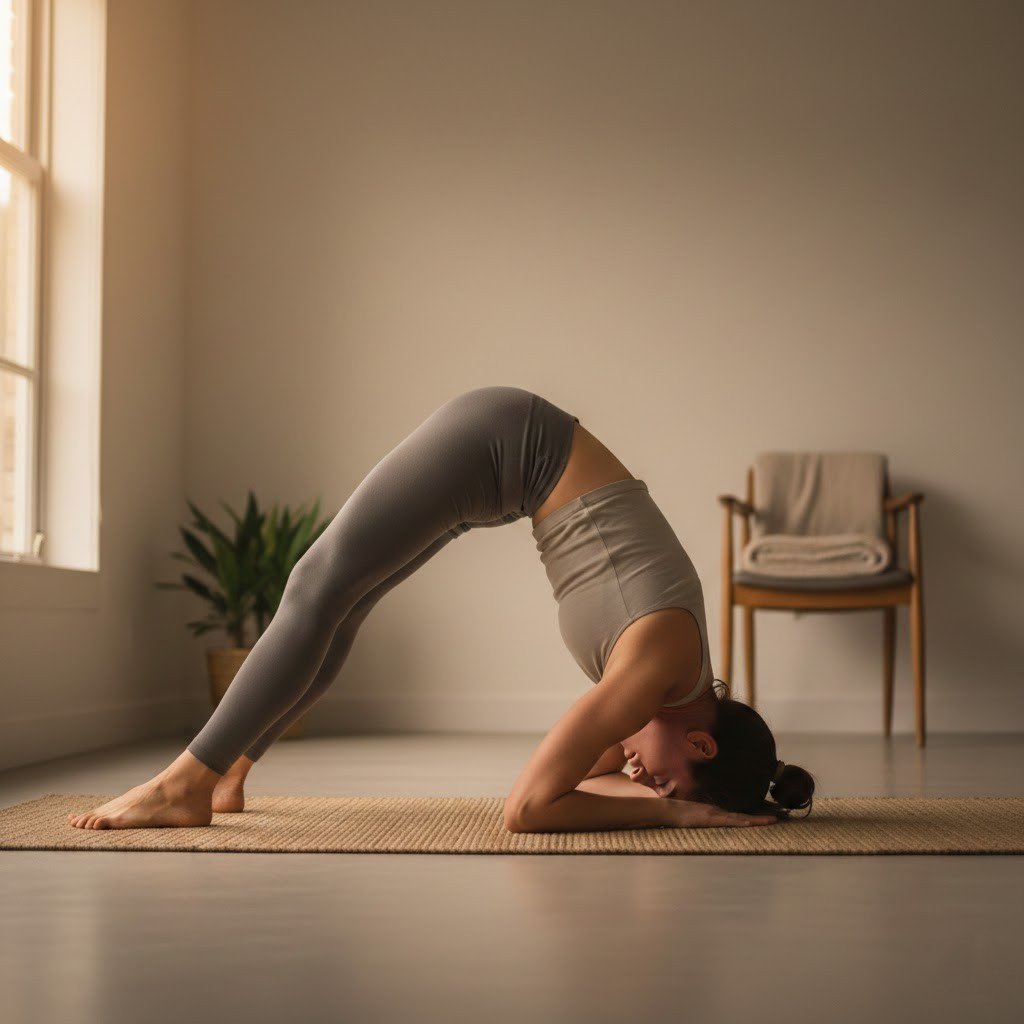
Bridge Pose entails lifting the hips with feet and shoulders on the ground. This act will tend to wake up the muscles down the back of the body, which will usually be involved in aiding an upright and steady posture.
Seated forward fold
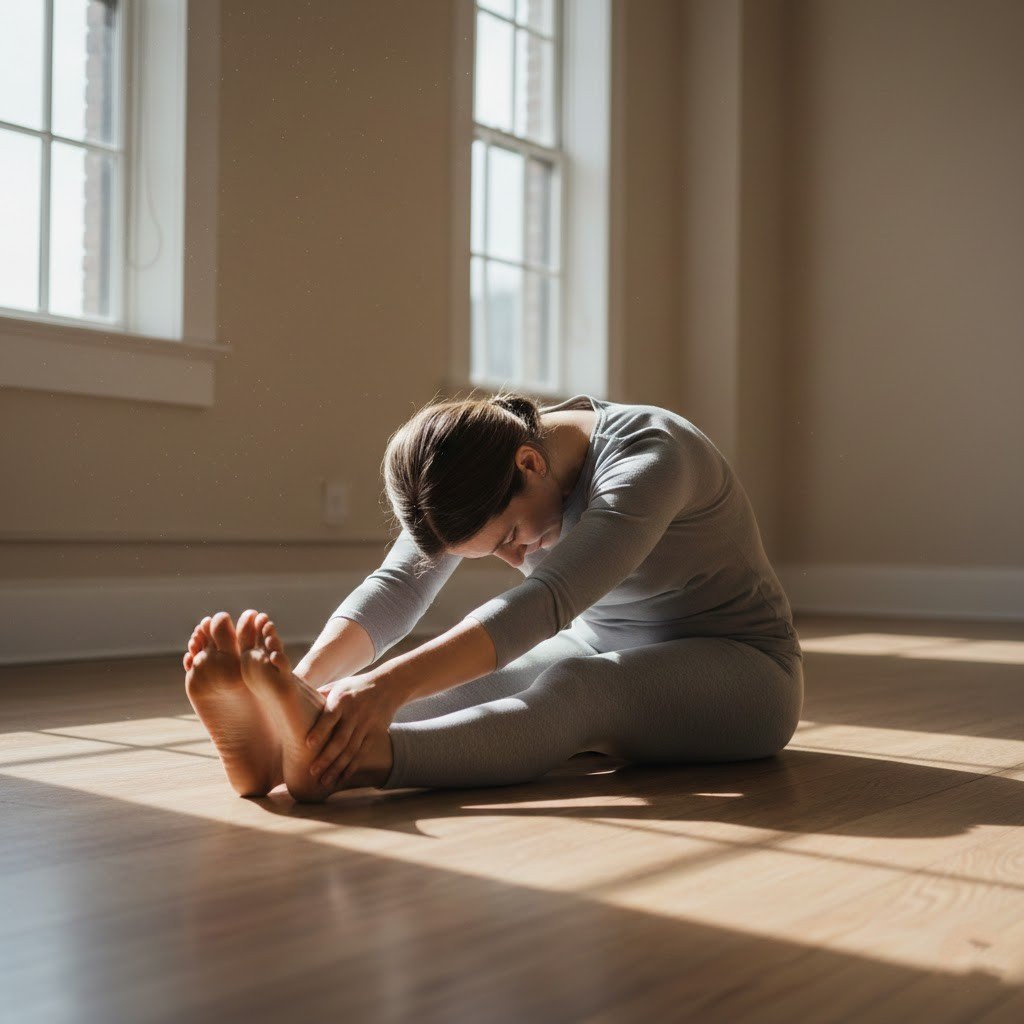
A seated forward bend may facilitate a mild stretch in the spine and the back of the legs. Slowly sliding into it would serve to emphasize the way the upper body tends to position itself concerning the pelvis and lower back.
Thread the needle pose
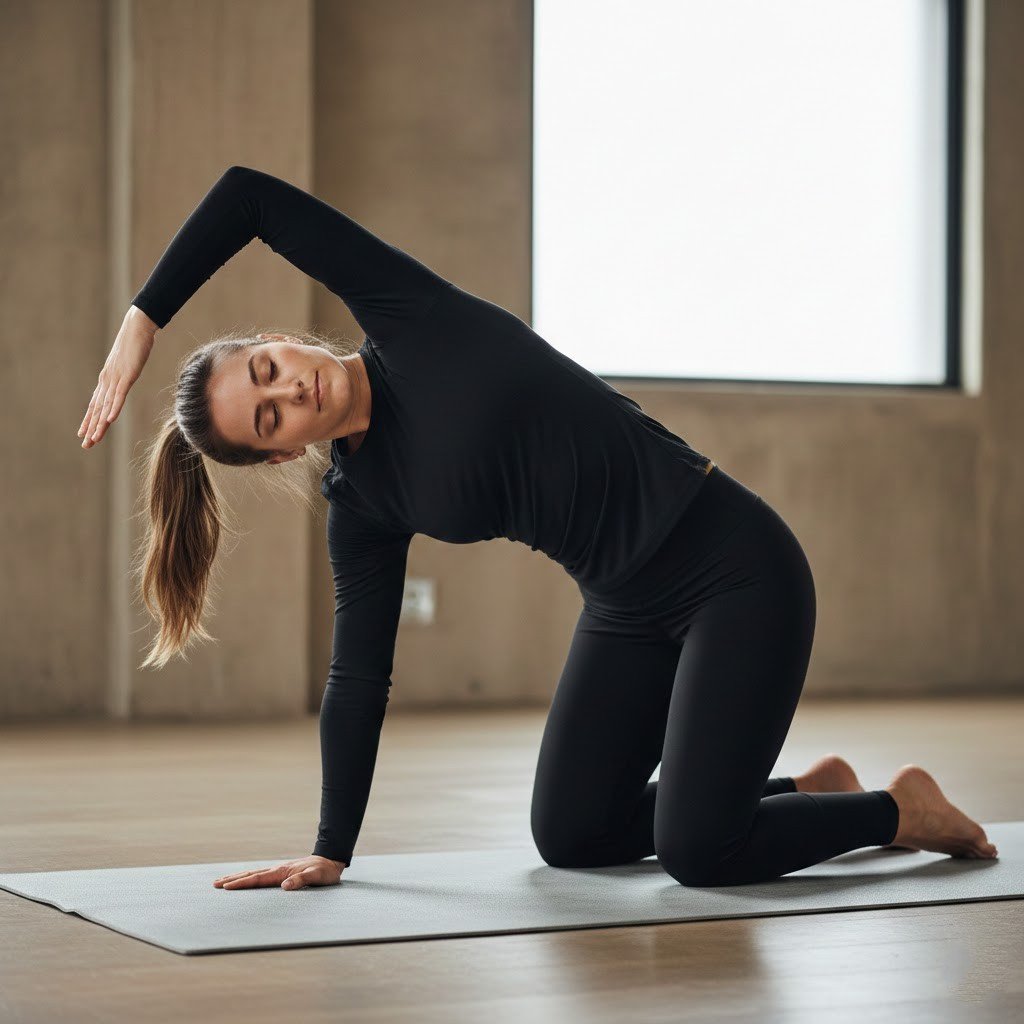
This twist is centered on the upper back and shoulders, which are common areas in which slouching takes place. Light rotation can assist in loosening tightness and provide a feeling of space that can have an effect on the sitting and standing position of the torso.
Triangle pose
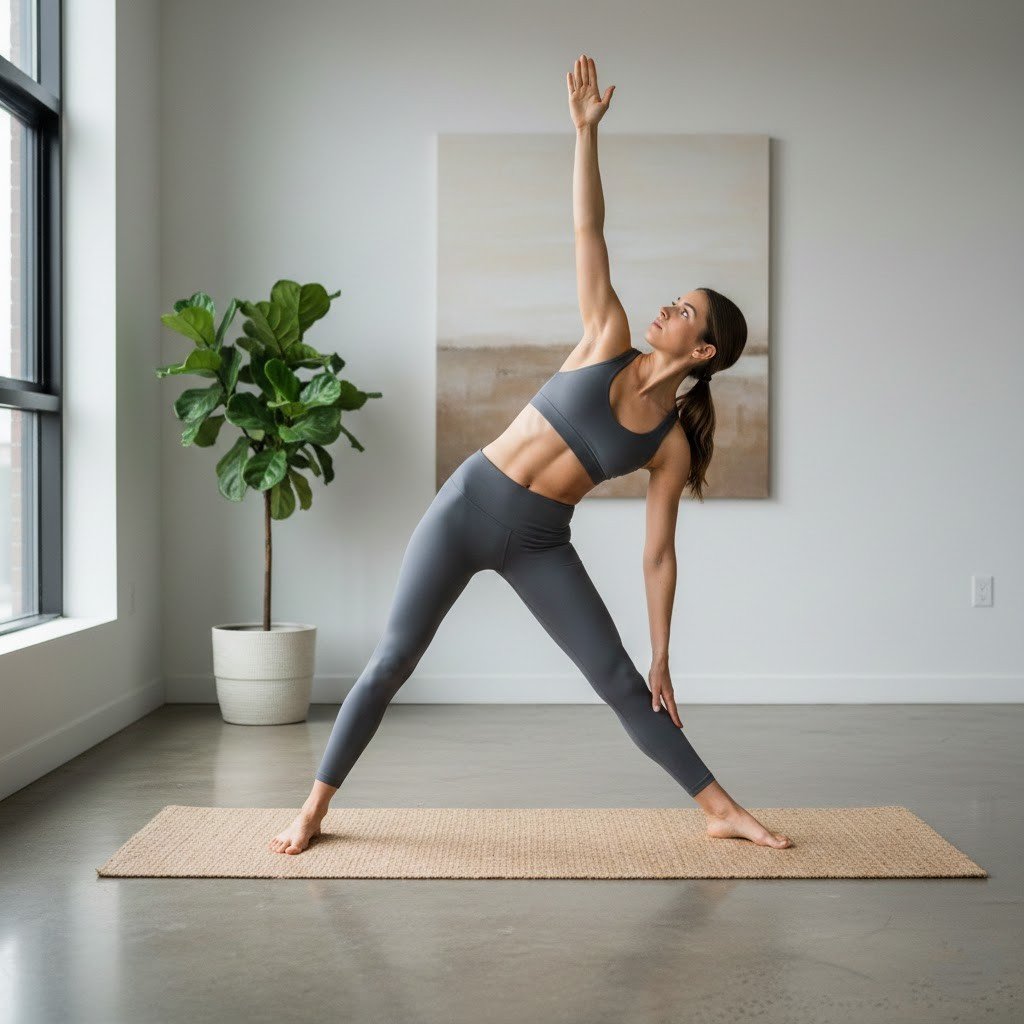
The shape of a triangle makes the body sideways, allowing length and openness. With the emphasis on even weight and balance, this pose can help to bring out minor habits that influence posture when standing and performing activities.
Extended puppy pose
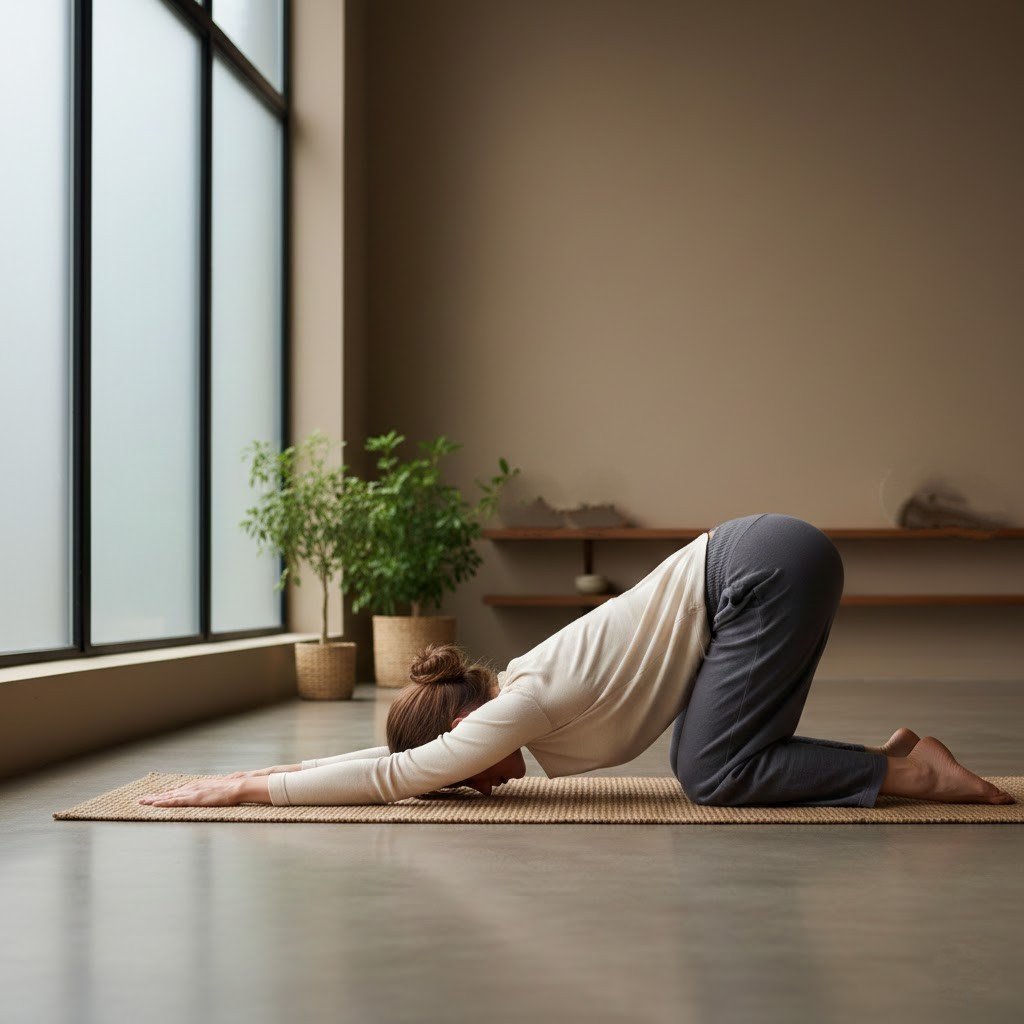
The Extended Puppy Pose combines the length of the spine with opening the shoulders. This posture can be relaxing and can possibly be used to alleviate tension in the neck and upper body regions, directly associated with being comfortable in a posture.
Low lunge pose
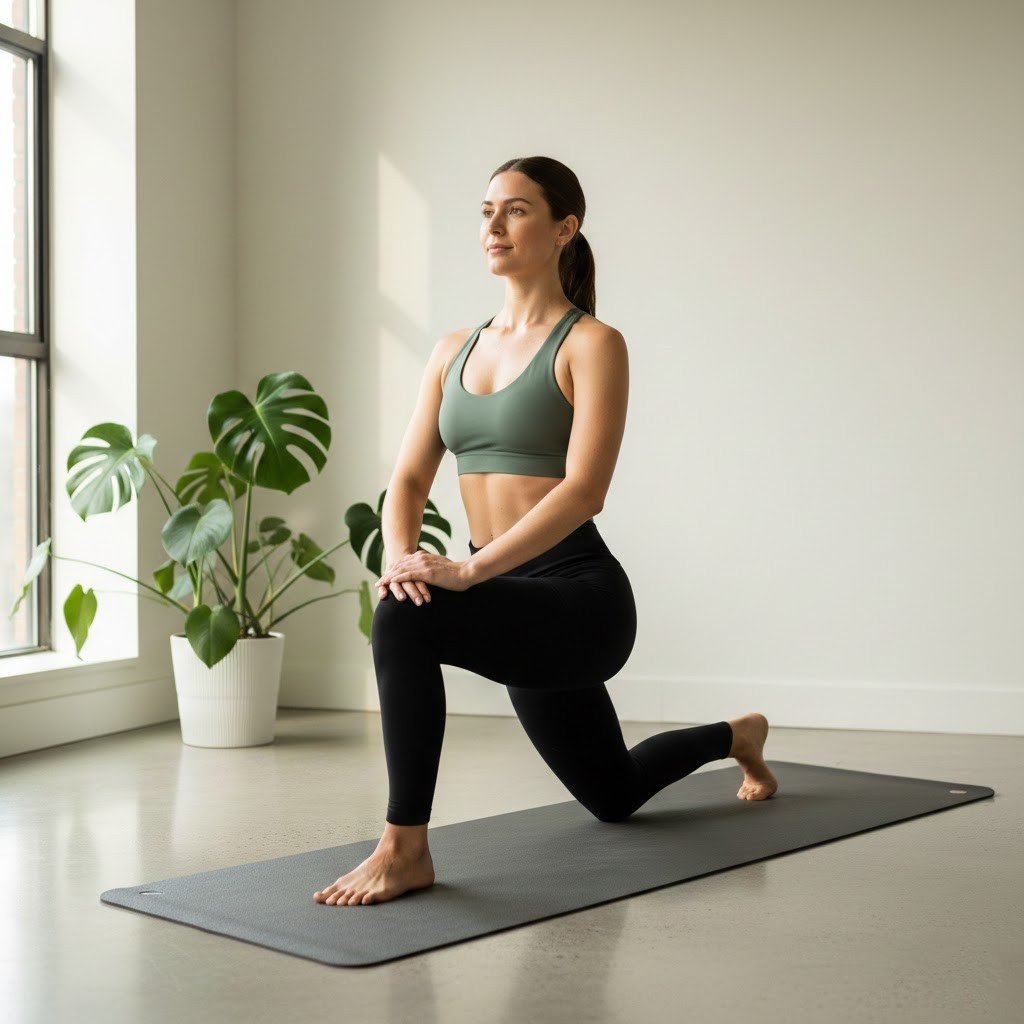
Low Lunge Pose brings the consciousness to the hips and lower spinal region. These openings can also be done gently to help a person maintain a more natural standing position, particularly those who spend most of their days seated.
Eagle arms pose
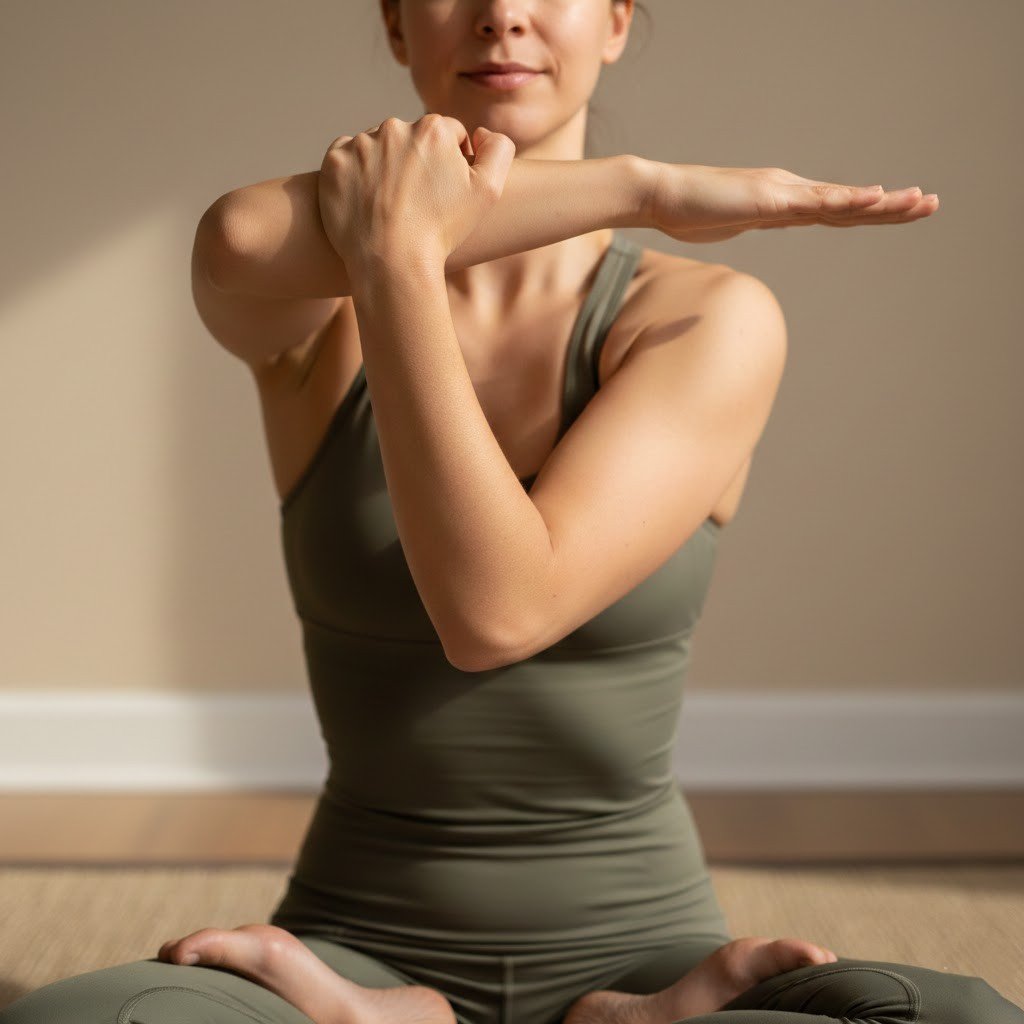
Eagle Arms targets the shoulders and upper back, but does not need a full balance position. The arm position can aid in stretching common tight spots and alert the human mind to the position of the shoulders during the day.
Side bend stretch
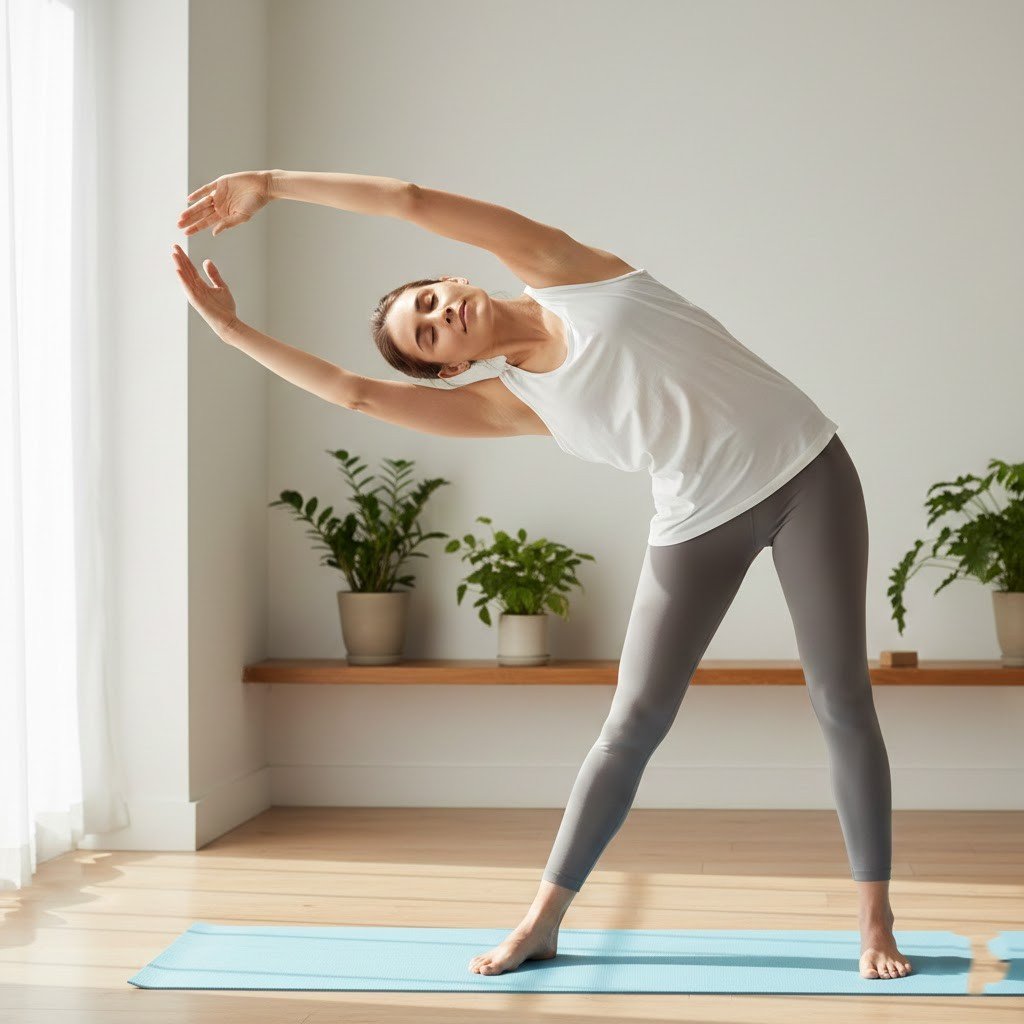
A mild side bend while standing or sitting can assist the spine to move in the directions that are not used so often. This movement can facilitate general spinal balance that can affect the ease with which the body maintains an upright position.
Corpse pose
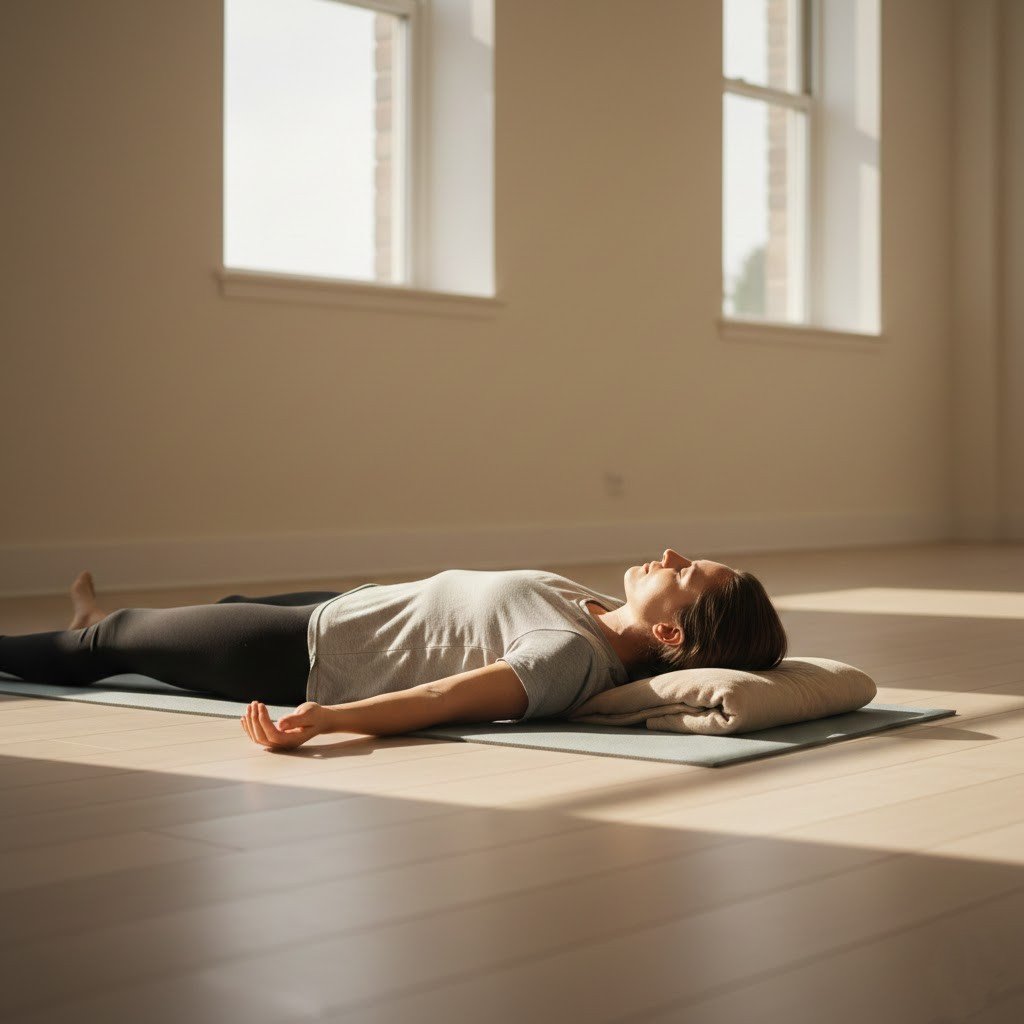
Everything settles in Corpse Pose. Relaxation will provide an alertness to the usual pattern of tension and provide a stillness to connect the impact of exercise and bring lightness into everyday posture.
