
People have been fascinated with blue eyes for centuries. Being often considered rare, striking, and mysterious, they have already inspired poetry, art, and numerous discussions on issues of beauty and genes. However, there is more truth to this eye color, other than compliments and myths. The formation of blue eyes, as well as the reason behind the prevalence of blue eyes in some areas, is not only an eye opener but also an eye enlightener. In this case, here is a more intimate view of what is so special about blue eyes – what most people continue to misunderstand about them.
The Blue Eyes do not have blue pigment in them

Contrary to the belief other people have, blue eyes are not colored by blue pigment. In fact, the iris contains a very minute level of melanin, and the blueness of color is caused by the reflection of light as it enters the eye. This is the same as the sky, as a result of which it is blue, called Rayleigh scattering. The less the melanin concentration in the iris, the paler the eye color becomes.
They are a product of depleted levels of melanin
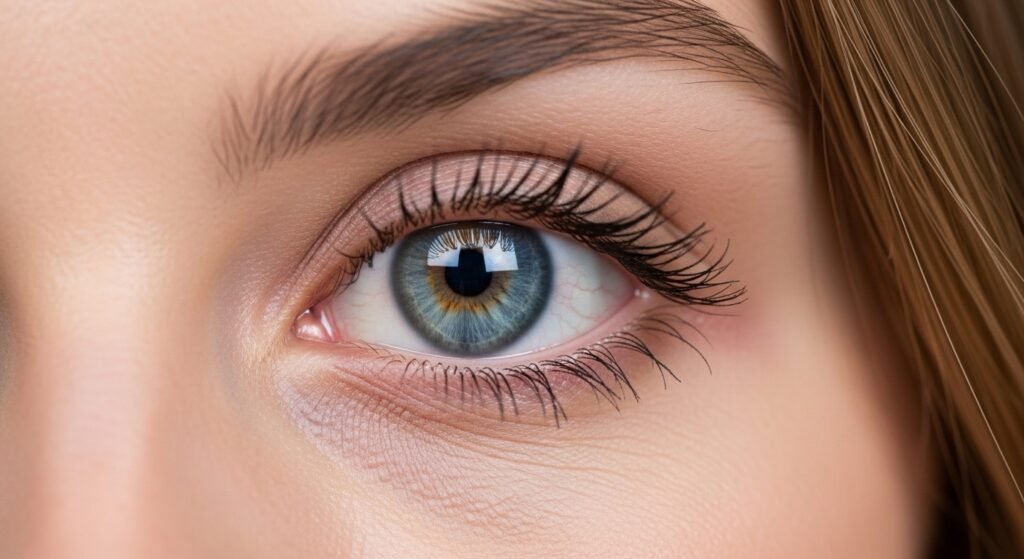
The pigment that colors the skin and hair to be colored is the same one, melanin. Individuals who have blue eyes are just lacking melanin in the frontal layer of the iris compared to individuals who have brown and darker colored eyes. This lower pigmentation enables more light to be reflected, and this is what produces this kind of blue or grayish look that many people love.
Everyone may be related to someone who has blue eyes.

Scientists have argued that blue eyes can be traced back to one genetic mutation that took place thousands of years ago. The research work of the University of Copenhagen suggests that such a mutation most probably occurred between 6,000 and 10,000 years ago, and, therefore, every individual with blue eyes today might have a common ancestor several centuries ago. It is an interesting tale of the role played by genetics in defining human diversity.
In Northern Europe, there are more blue-eyed people

Blue eyes are the most common in Northern and Eastern people. There are rather high proportions of blue-eyed people in such countries as Sweden, Finland, and Estonia. But with world migration and intermarriage, the blue eyes may now be found spreading in most of the world and therefore can no longer be exclusive to the region like before.
Babies normally come out with blue eyes

Blue and gray eyes are common in many babies, and mostly those of European origin. This is because the production of melanin in the iris is not limited to before birth. Eye colour might turn green, hazel, or brown as the amount of melanin accumulated in the first year of life. Not every baby retains his/her original eye color.
The Blue Eye is more prone to light
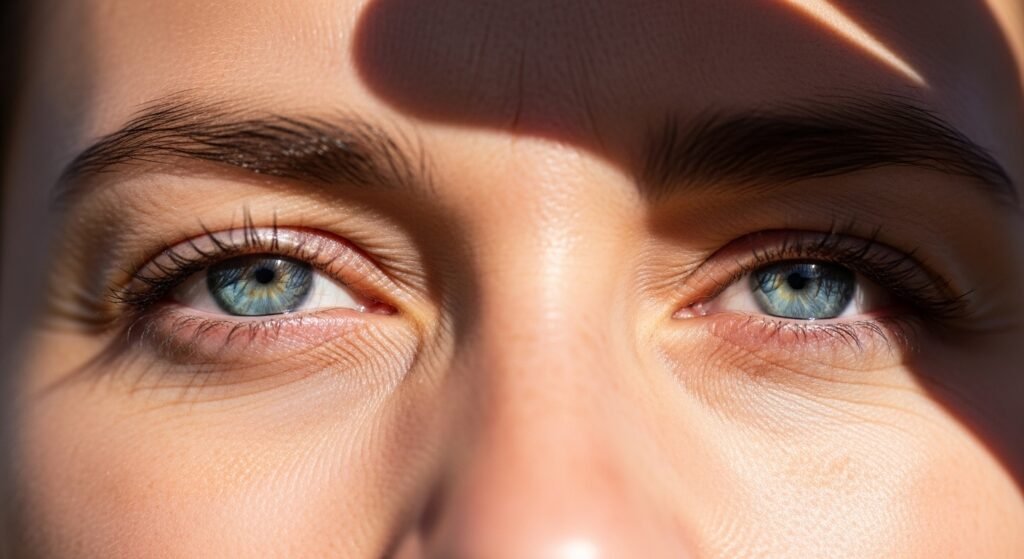
The blue eyes have lower melanin, and therefore, there is a possibility that they offer less protection against bright light. Those people with blue eyes complain about the excessive sensitivity to sun rays. Although it does not imply lesser vision, it may imply that they can feel more at ease in a bright setting, wearing the sunglasses.
They can make it seem they can change colour

The eyes of blue color tend to change as a result of the light, the clothes they wear, or the environment. Owing to the color being affected by the light scattering and not the vigorous pigmentation, shifts in environment may lead to either a lightening effect, a darkening effect, or a slight gray or green effect on blue eyes.
And not as many as many think
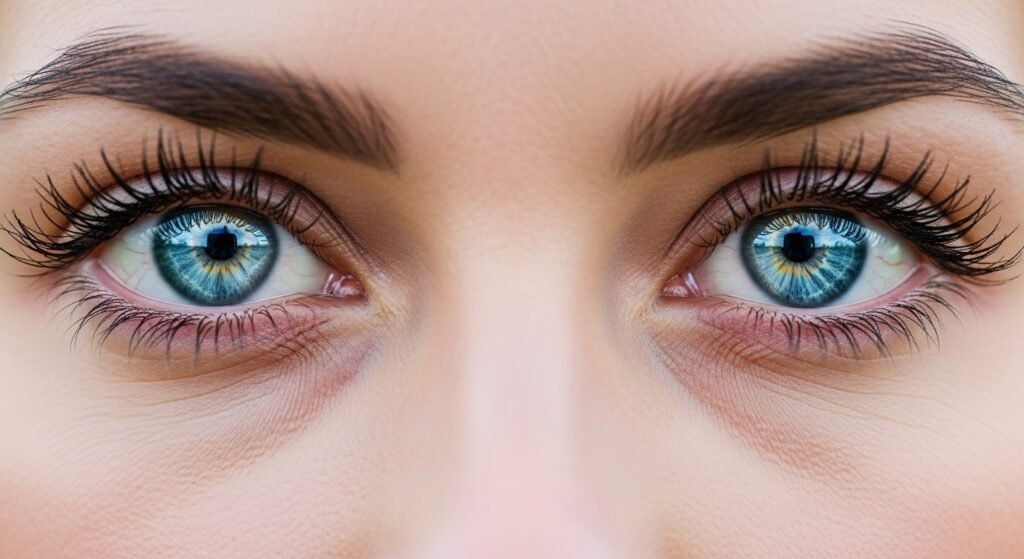
Although blue eyes are less prevalent in the world compared to brown eyes, they are not that uncommon. It has been estimated that approximately 8-10 percent of the world is blue-eyed. Premier eye color is brown, and yet the blue eyes are present in millions of people distributed all over the continents.
Eyewear Color is not a Personality Determinant

Blue eyes have numerous myths associated with some character traits, but these remain unsupported by scientific evidence. The color of the eyes is dictated by genetics, but not by temperament, smartness, or character. Experience, upbringing, and difference of personality are what make personality, not the pigmentation of the iris.
Blue Eyes still keep drawing cultural attention
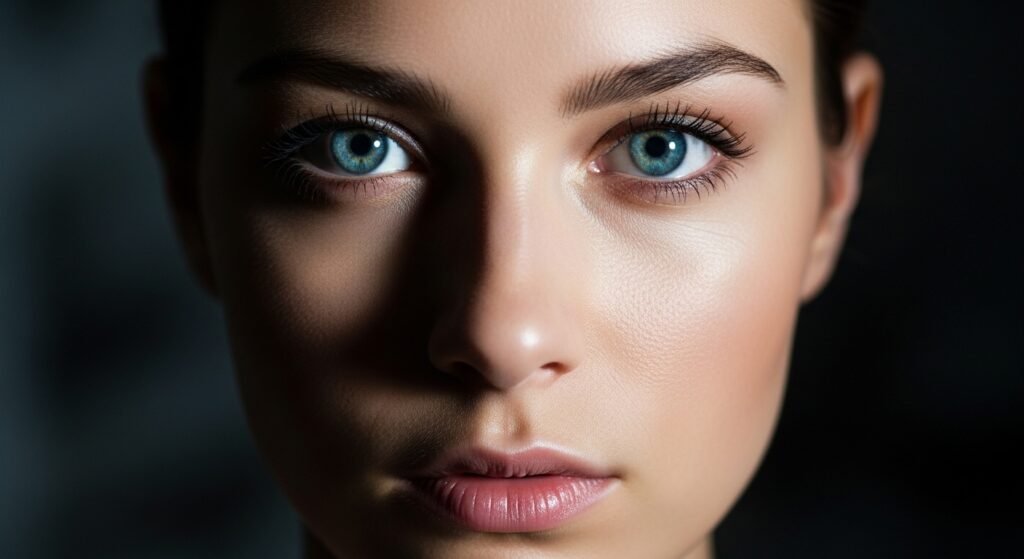
In art and photography, as well as film and fashion, blue eyes tend to be given special treatment due to their bright contrast. Nevertheless, each color of the eyes is beautiful and unique. The obsession with blue eyes is rather a question of cultural shift and perception rather than the assessment of superiority.
