
The American dinner table in 2026 is quite different from those of decades before. Smaller families, working hours, and the increased awareness of wellness are redefining home and restaurant dining. In the United States, there is an increased tendency for people to dine alone and order something to suit personal preferences, dietary requirements, and amounts of food. This turn, instead of being an indicator of isolation, is representative of independence, convenience, and a wider cultural trend toward willful and personalized living, which is reflective of contemporary lifestyles and the changing economic reality.
Smaller Households Rising
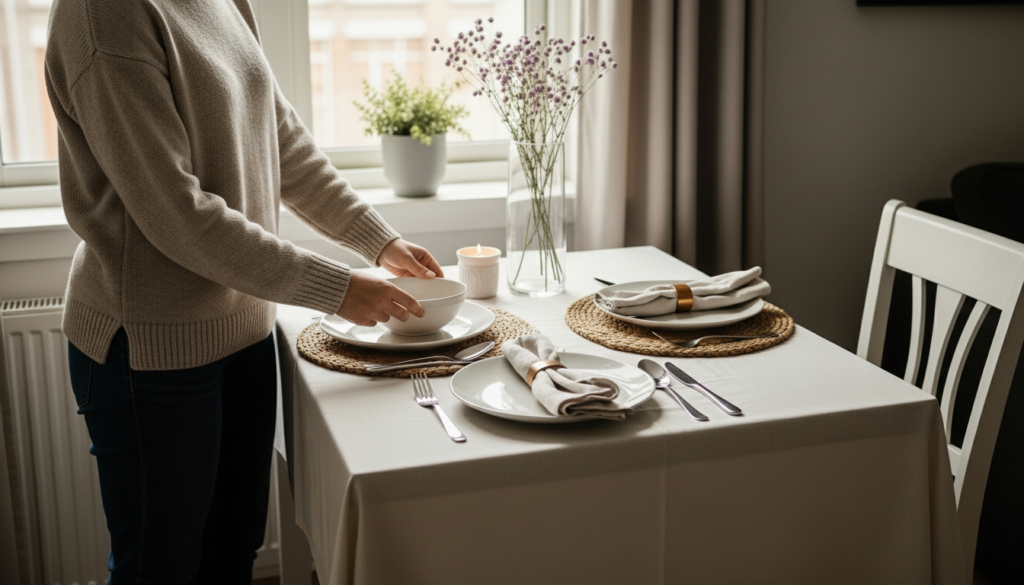
Based on the current U.S census patterns, solitary households are on the rise in the country. With more and more adults living alone through choice or circumstance, the trend in meal planning will be towards individual, rather than bulk, and traditional family-style meal preparation.
Flexible Work Schedules
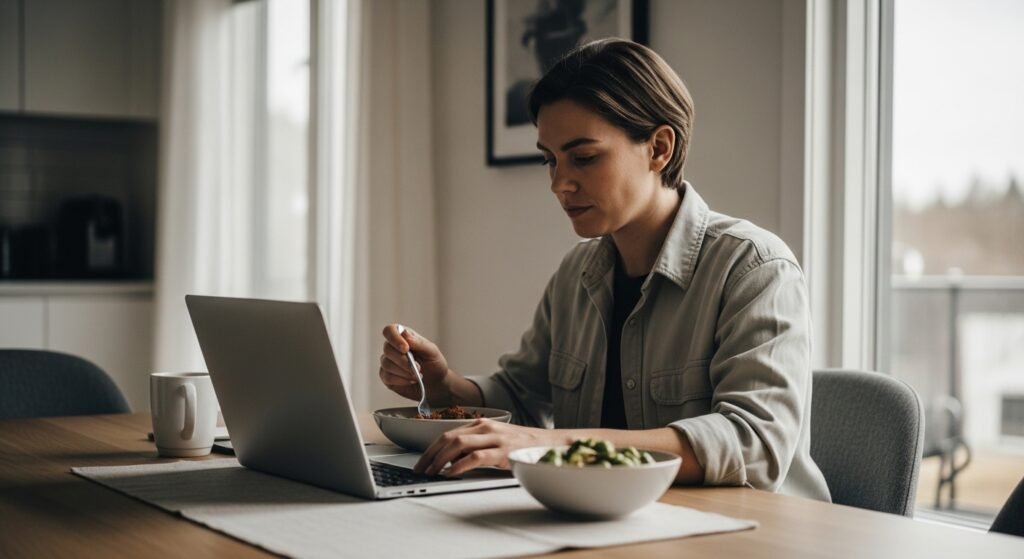
Work-hybrid and work-remote have altered the old meal habits nationwide. Having fewer concurrent schedules at home, family members tend to eat at any time, and independent eating is a safer and more meaningful practice that prompts them to cook their meals individually at any moment of the day.
Health-Driven Portions

That people have never been more health-conscious in nutrition, and many Americans are concerned with protein intake, calorie intake, or any specialized diets. Applications such as MyFitnessPal have normalized the aspect of portion tracking, which has supported the popularity of the customization of meals towards personal health objectives.
Response of Restaurants Industry.
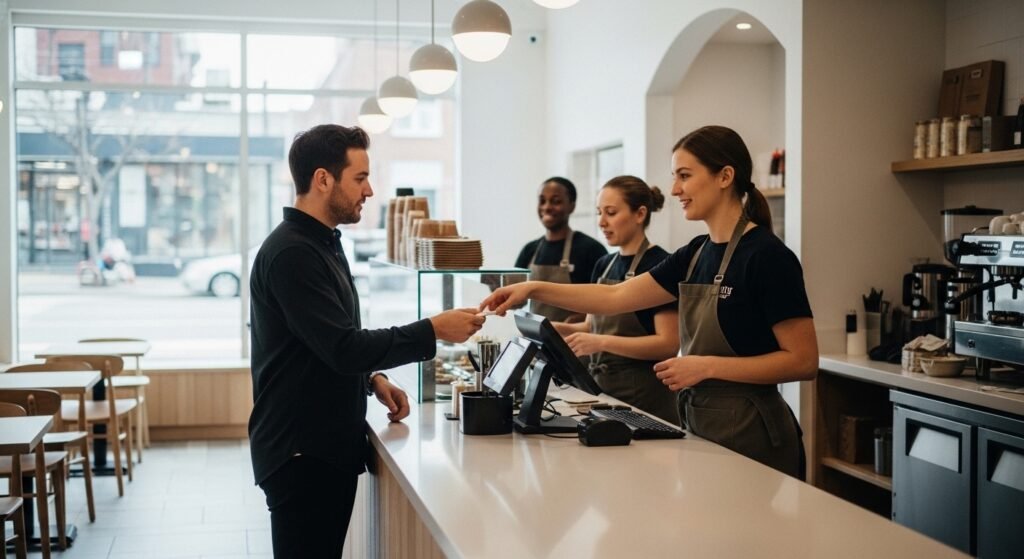
The focus on customizable bowls and build-your-own options is now being focused on by major chains like Chipotle Mexican Grill and Panera Bread. Such formats give the diners the liberty to manage ingredients and quantities while meeting consumer needs for flexibility.
Grocery Store Adaptations
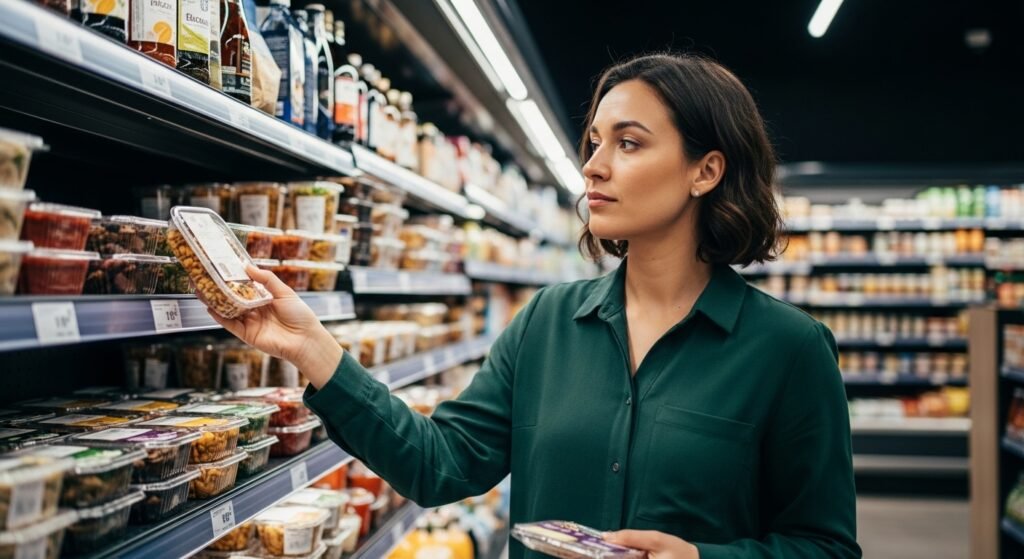
Individual packages and meal kits have been increased in retail locations such as Trader Joe’s and Whole Foods Market. This saves food and serves those who are not particularly fussy about freshness and quality but like the convenience.
Reduced Food Waste
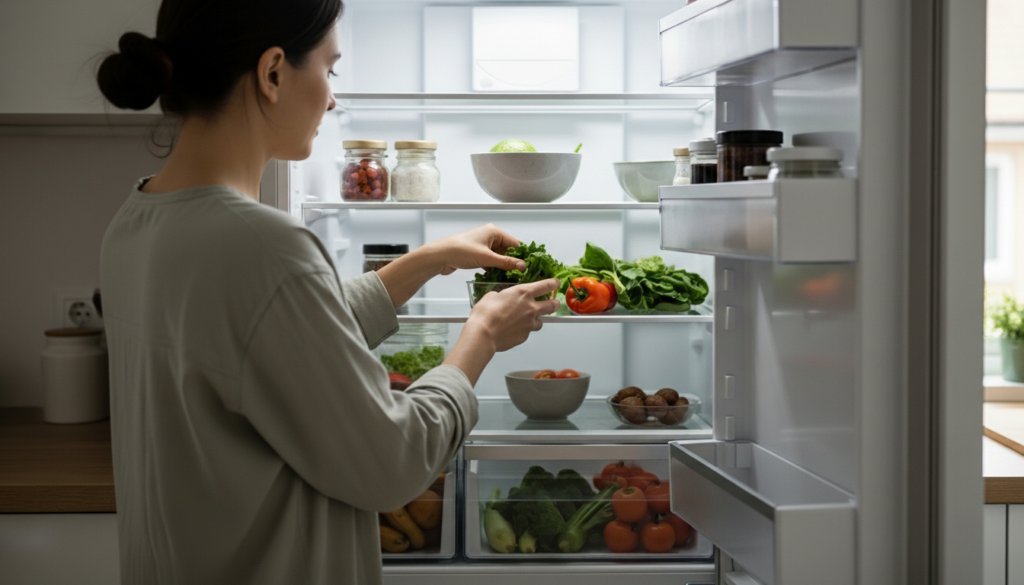
Preparation of small quantities of food would reduce leftover food that usually goes to waste. Budget-conscious families may conserve money by making only what is required, and this helps to save money on total monthly grocery bills, as it aids in sustainability.
Cultural Acceptance
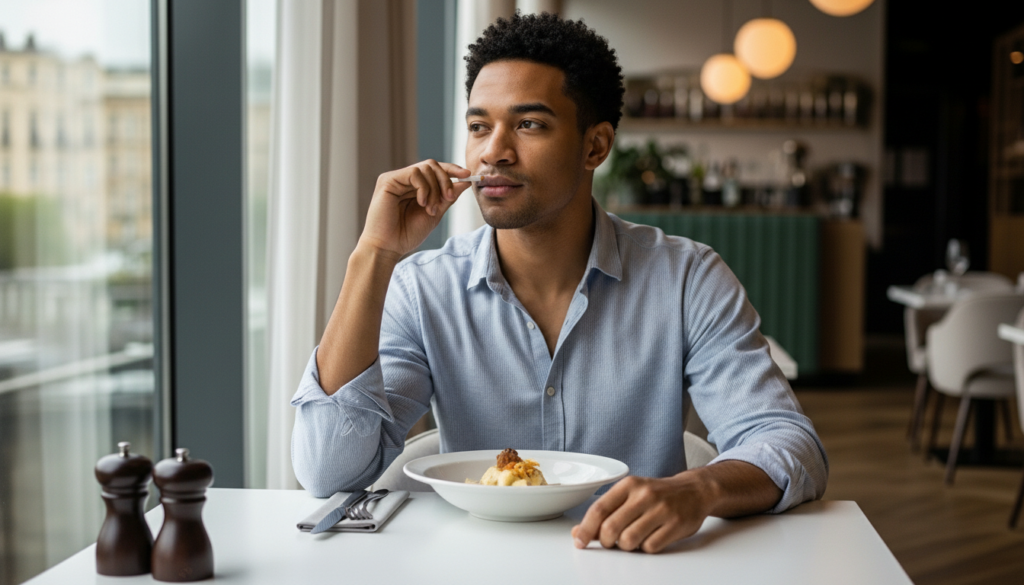
Eating alone is no longer considered as stigmatizing as it used to be the case in American culture. Cafes, restaurants, and even fine restaurants alike gradually develop spaces that are comfortable to those who need to sit in them, as the social norm is transformed in the whole country.
Mental Wellness Benefits
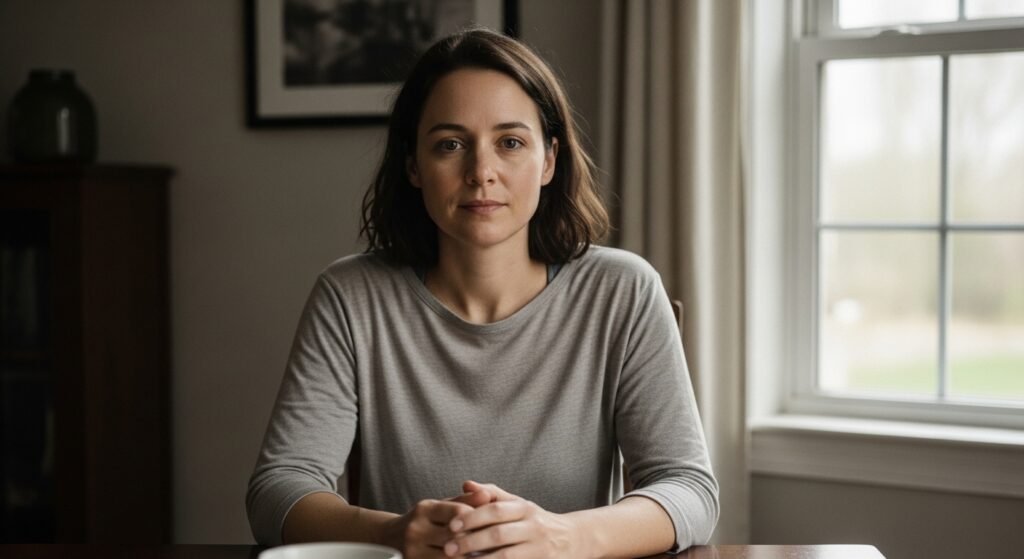
Solo dining is the relaxation aspect of life for many Americans, a quiet time in very hectic schedules. Dining out alone enables individuals to order dishes of their own choice without bargaining for what they actually want, as it promotes awareness and self-fulfillment.
The Future of Mealtime
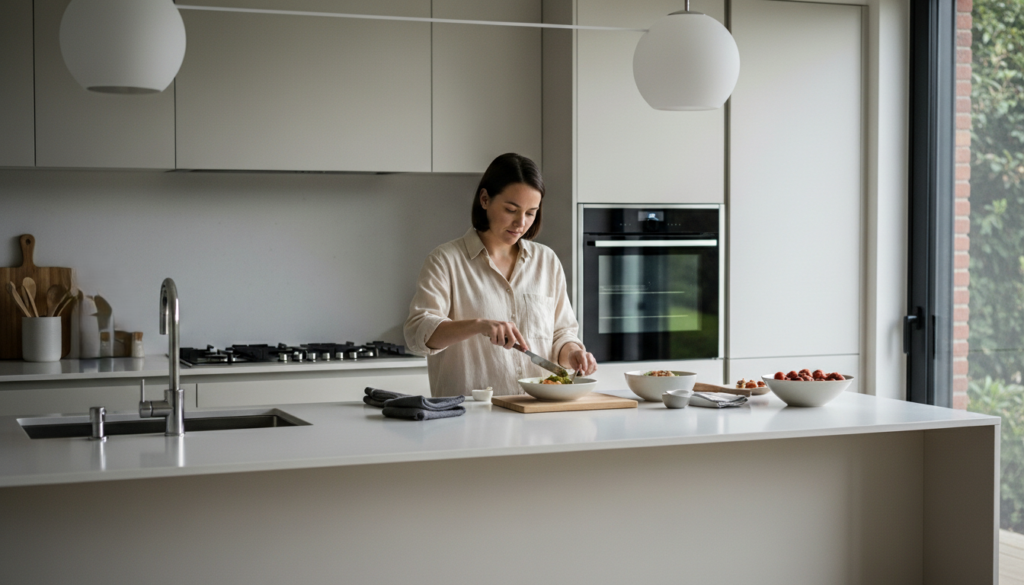
With the further development of demographics and lifestyle, one can expect personalized dining to become the norm, but not the exception. There will be further innovation of restaurants, grocery stores, and food brands in the areas of flexibility, portion control, and convenience to be in line with modern expectations.
