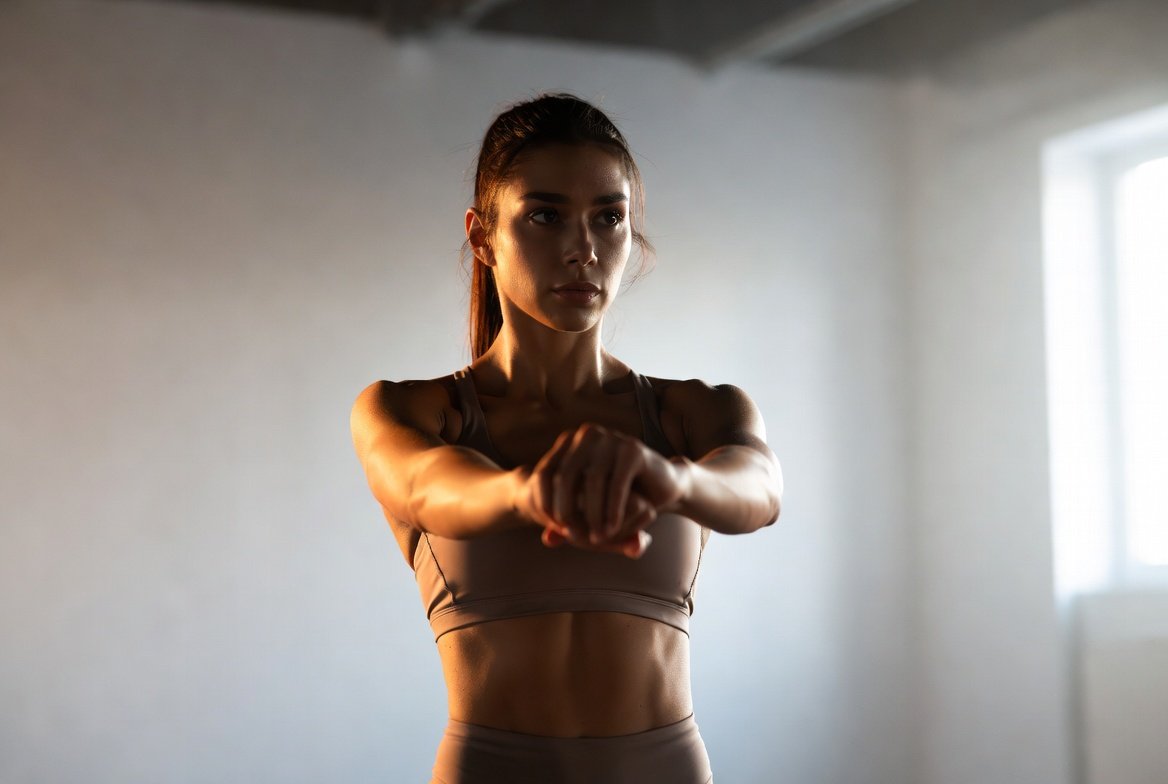
It is highly recommended that a good core means dropping to the ground and performing countless sit-ups, but that strategy is not appropriate for every person. Standing core exercises are also more natural, and people who like to keep their posture or those who would like to have movements that are easy to integrate into their routine will be more at ease. These exercises can include balance and postures, as well as full-body coordination exercises, which can feel less daunting as a result. They also enable the core to strengthen collaboration with the legs and upper body, similar to the situation in daily life. Although the outcomes might differ in individuals, standing exercises could provide an invigorating approach to working the core without necessarily being trapped by the same workout routine.
Standing march with control
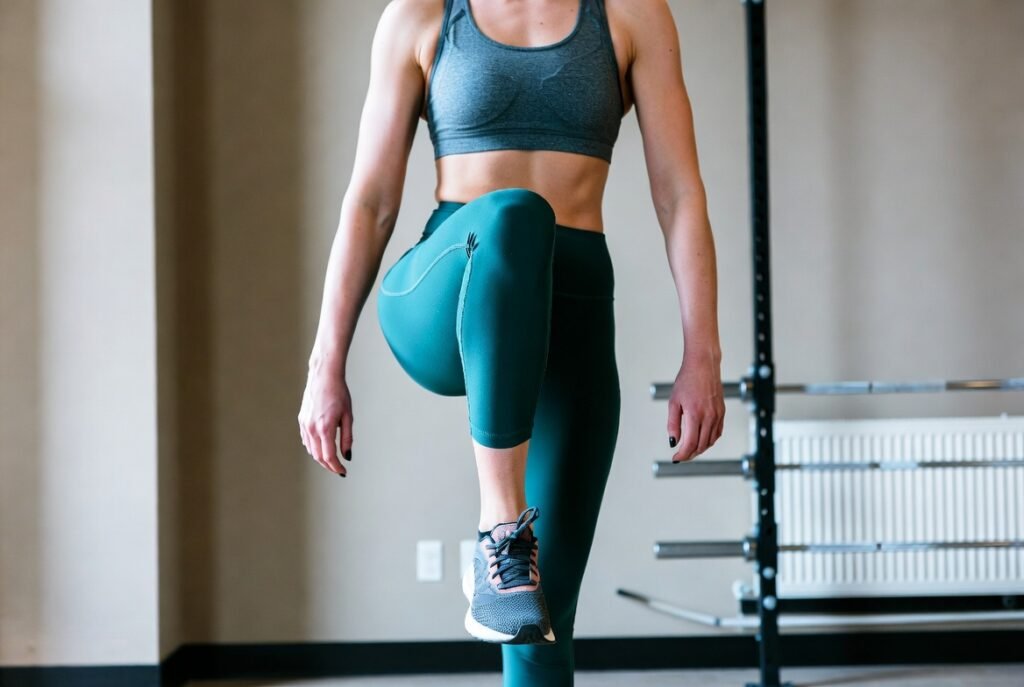
This is a movement where each knee is lifted individually as one stands up straight and firm. This can mildly stimulate the core to remain active during balance, particularly when performed slowly with consideration of the posture and breath during the movement.
Standing knee to elbow
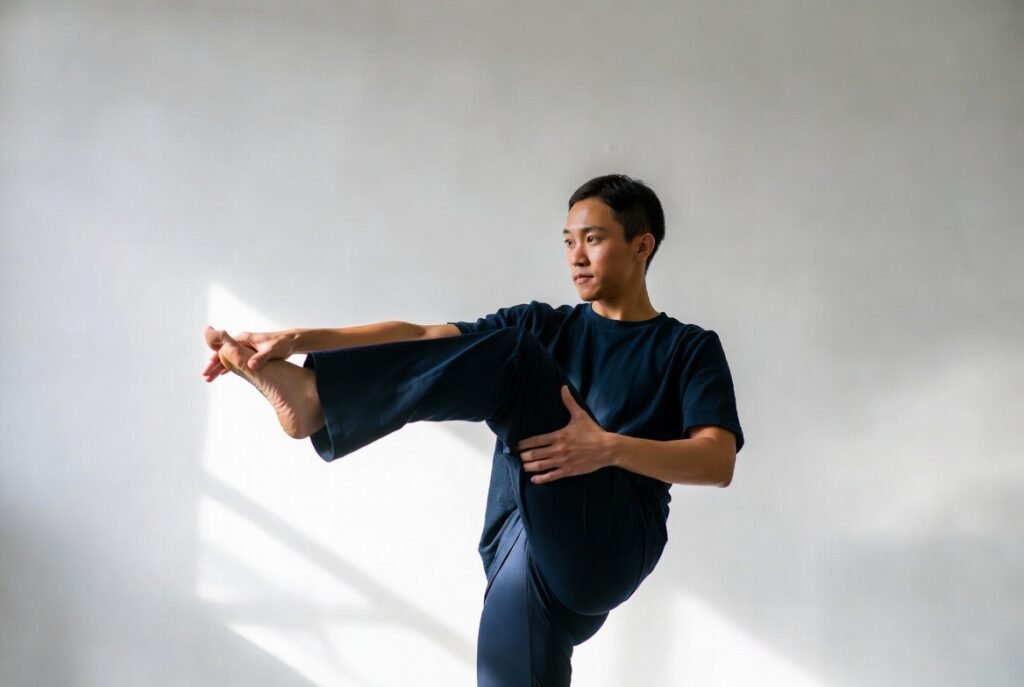
A natural twist can be introduced when one bends a knee to a position that is facing the opposite elbow when one is standing. This rotation movement may involve the core muscle in the process of ensuring that the body remains upright and coordinated during the controlled crossing movement.
Standing side crunch
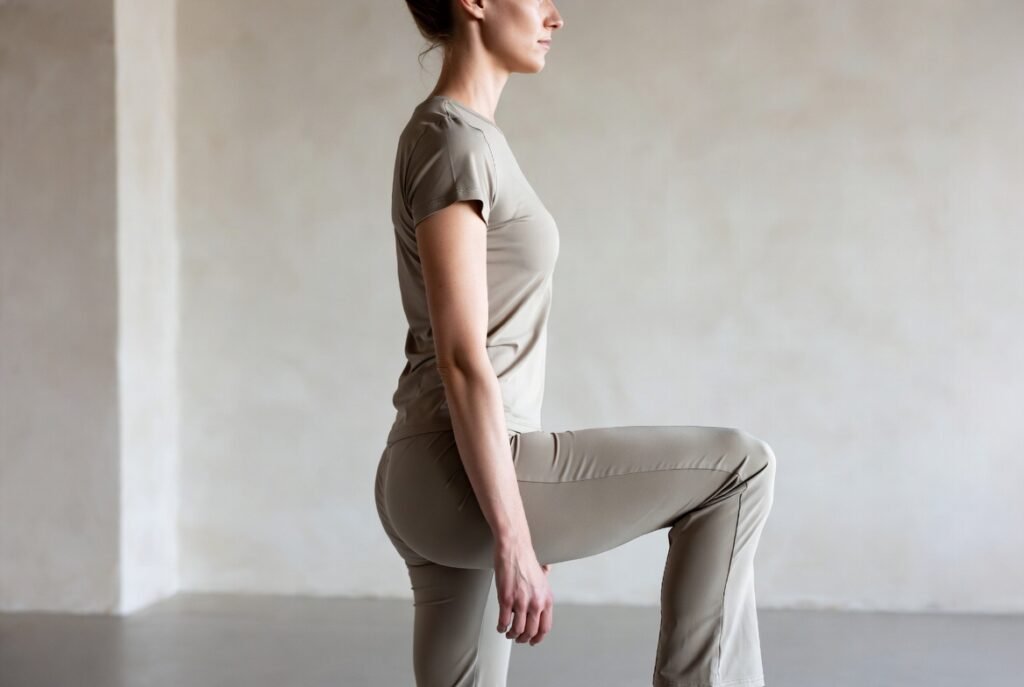
A crunch without hitting the ground can be achieved by leaning a little on either side while raising the knee. It could enable the side core muscles to be involved and, at the same time, be friendly and comfortable to manipulate, depending on comfort.
Standing oblique twist
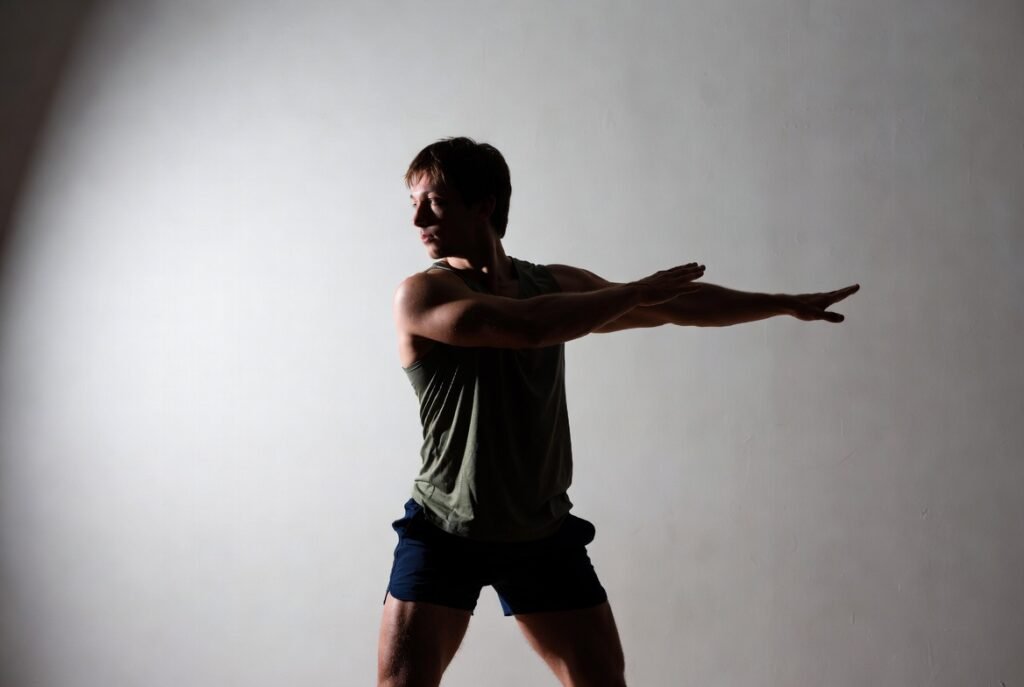
One can promote the core to turn by rotating the upper body gently when standing on one’s feet. This activity can seem like regular everyday reaching or turning, and hence it can be easier to remain consistent.
Standing wood chop motion
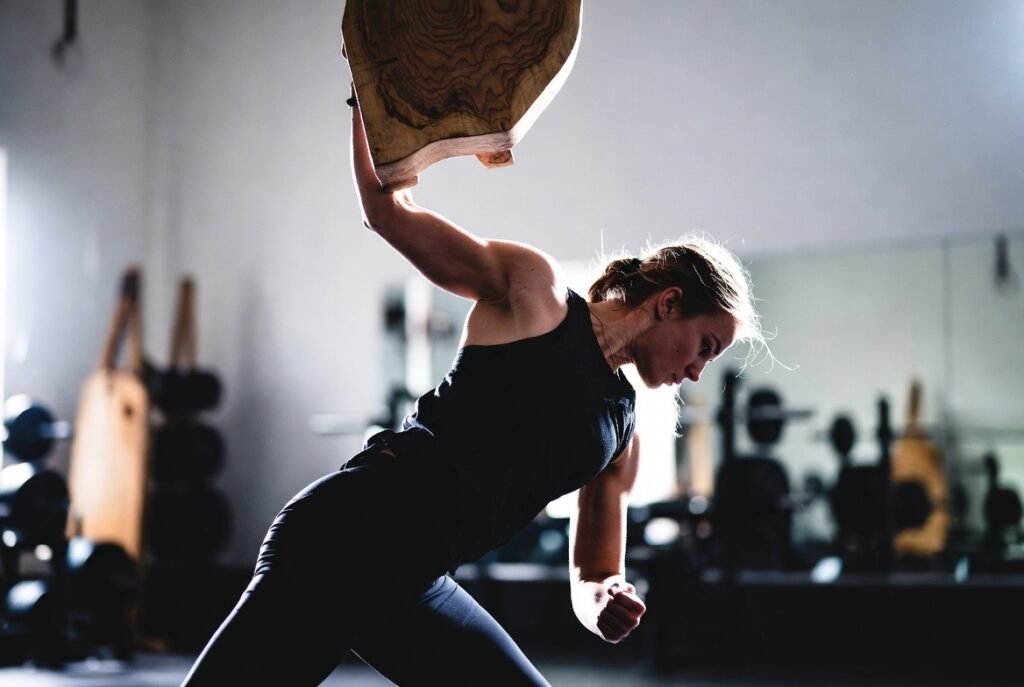
The core can be involved by rotation and control of mimicking a high-to-low diagonal chopping motion while standing. The movement can be dynamic and at the same time, flexible in speed and extent.
Single-leg balance hold
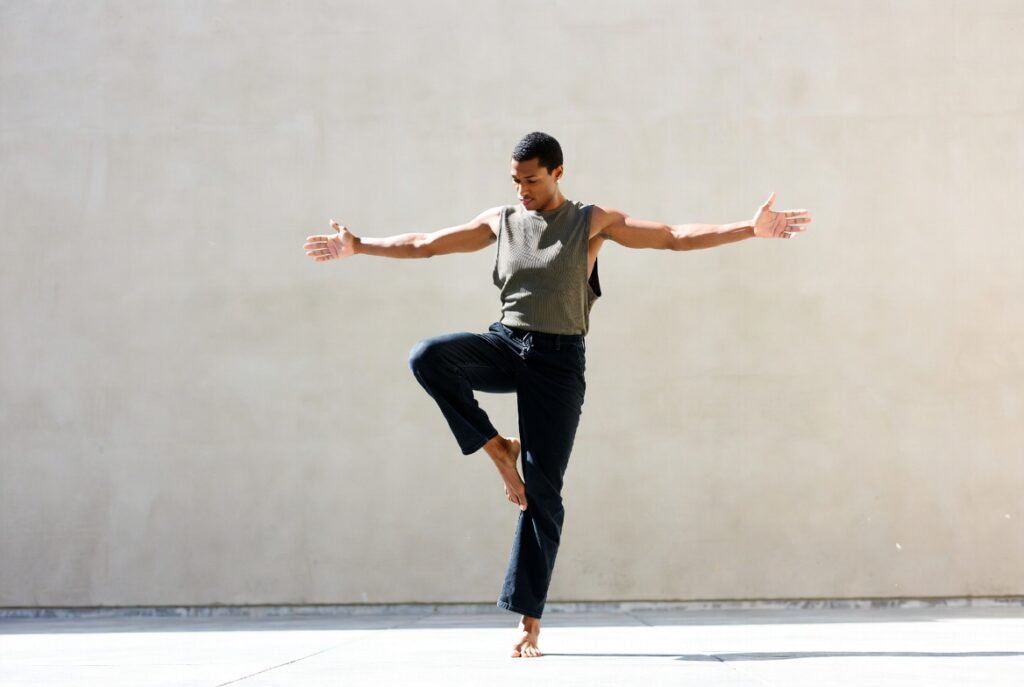
Straightening on one leg but in a steady position may indirectly work the core. The core muscles can be recruited naturally in the body to assist in stabilization, particularly when the balance is perceived to be a bit threatened but within control.
Standing reach and pull
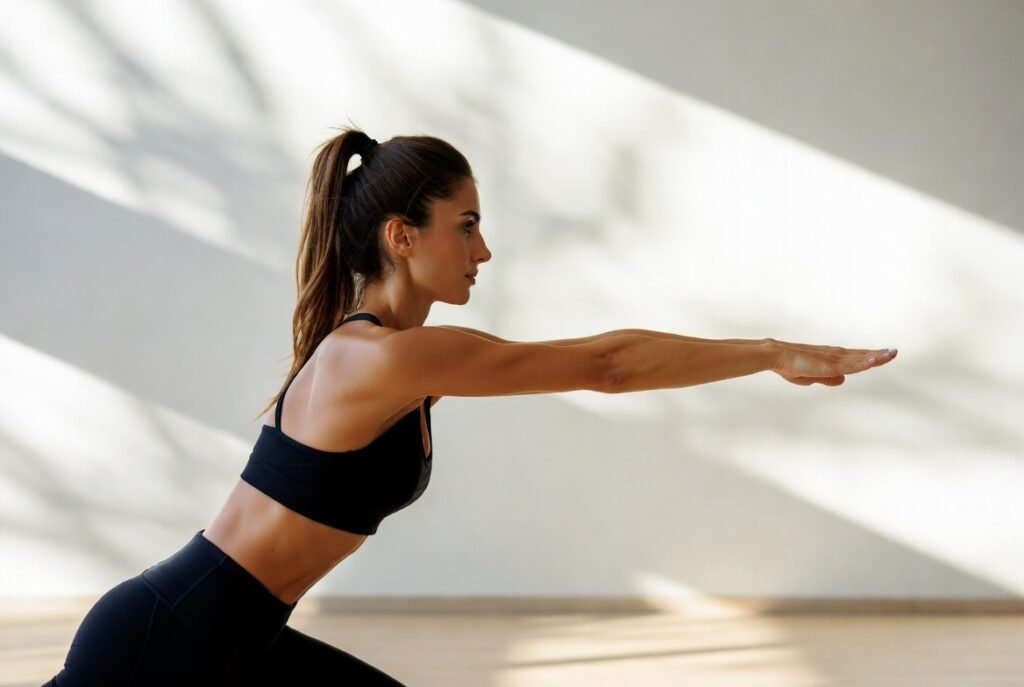
The core can be engaged when one reaches forward or overhead and pulls back softly. This movement can be smooth and controlled, inviting one to be aware of posture and not force it.
Standing cross-body reach
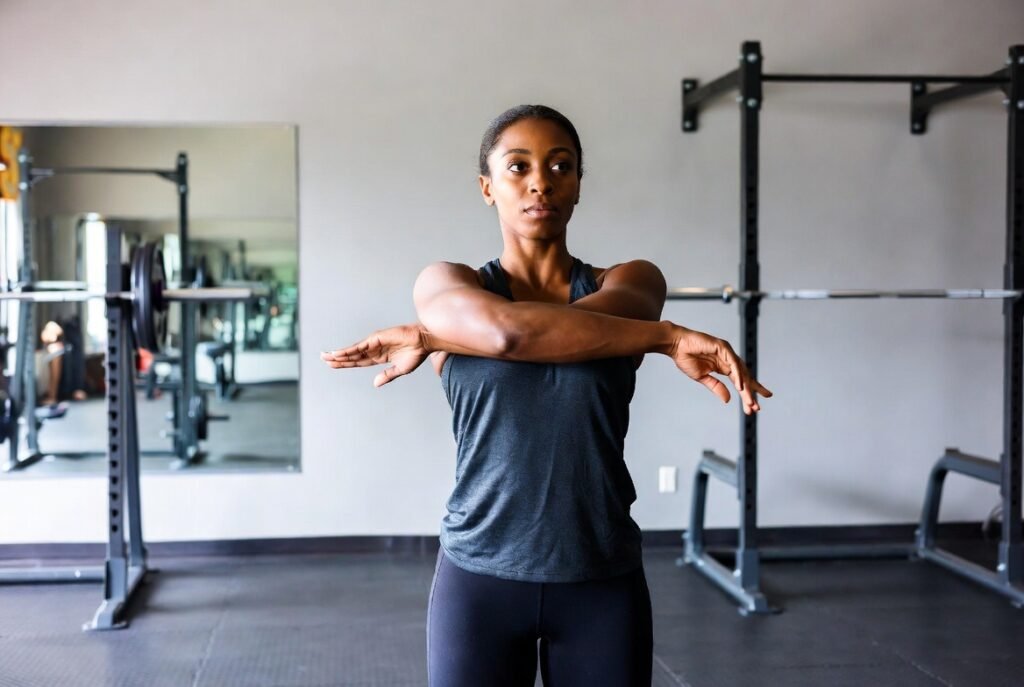
Standing up tall can add rotation and balance to oneself by reaching across the body with one arm. The core may take part to help in the twist, particularly where the motion is slow and deliberate.
Standing pelvic tilt

Standing with the pelvis tilted slightly can be used to remind about core work. Such a subtle motion might seem less powerful but still might be of practical use in creating awareness of the way the core assists the posture.
Standing torso lean
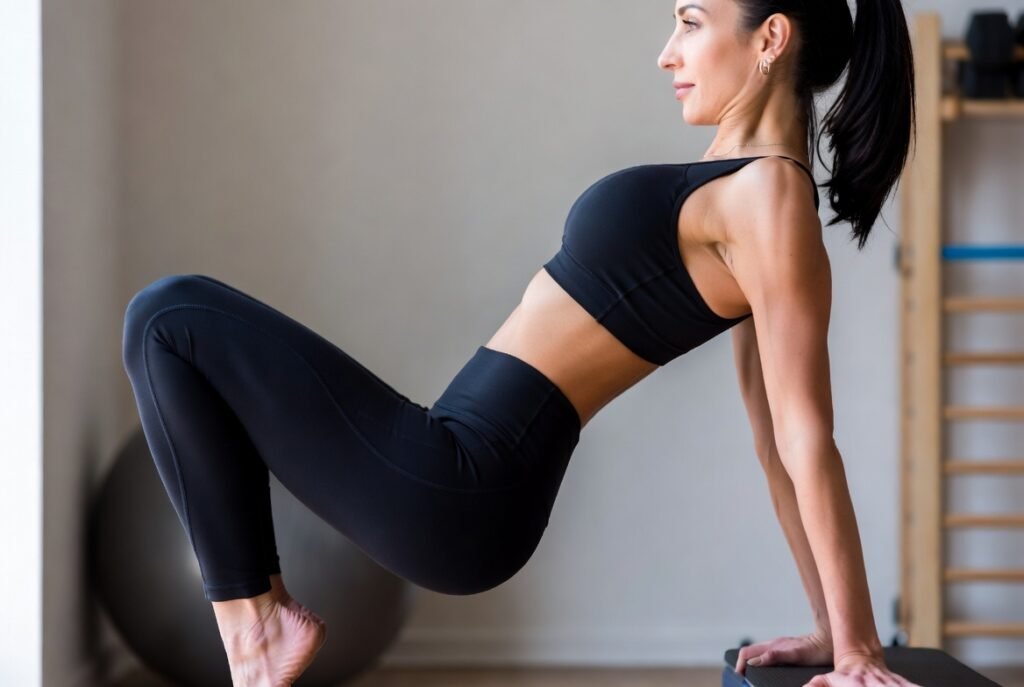
Standing on the edge of balance mildly may be done by leaning back or to the sides. The core can react to the situation by acting to hold the body stable, particularly where movements remain stable.
Standing heel lift
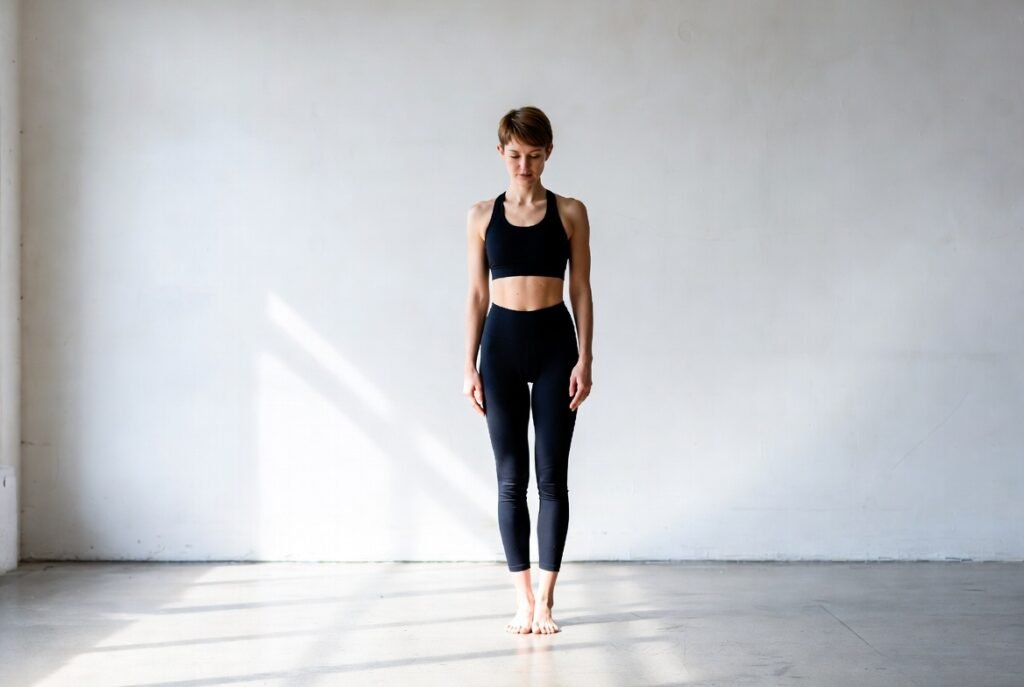
When standing on the toes, when standing beautifully, it may not be only about the legs. The core can aid in balance, especially when emphasis is placed on slow lifts and controlled lowering.
Standing arm circles with posture
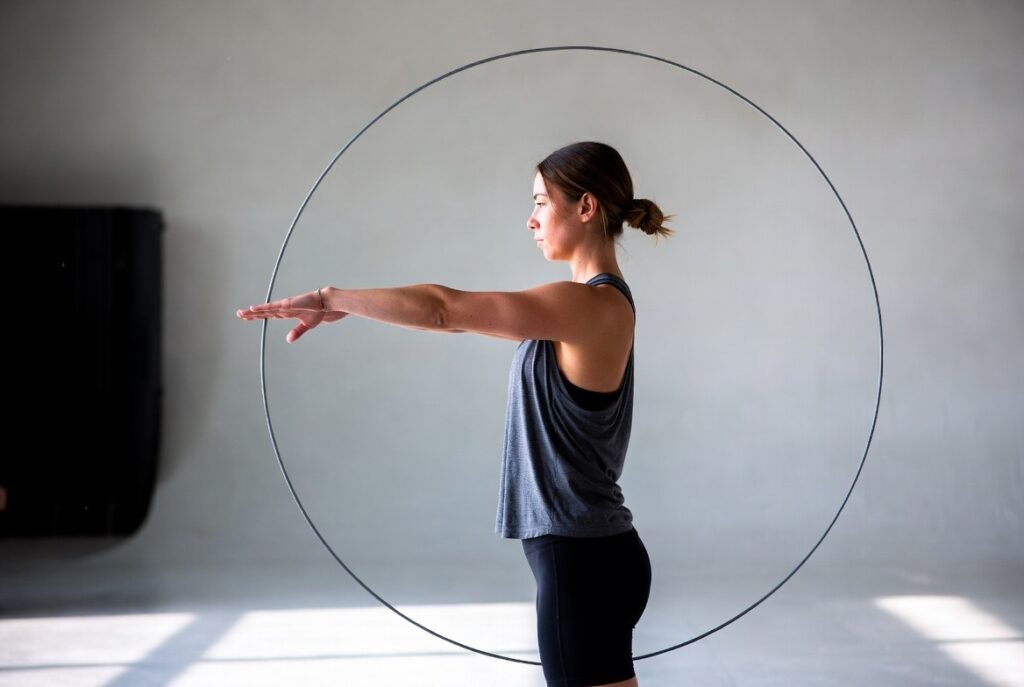
A subtly active core can be achieved by large, controlled arm circles when in an upright position. As the arms move, the body may move to keep in sync to form a soft whole-body contact.
Standing high knee hold
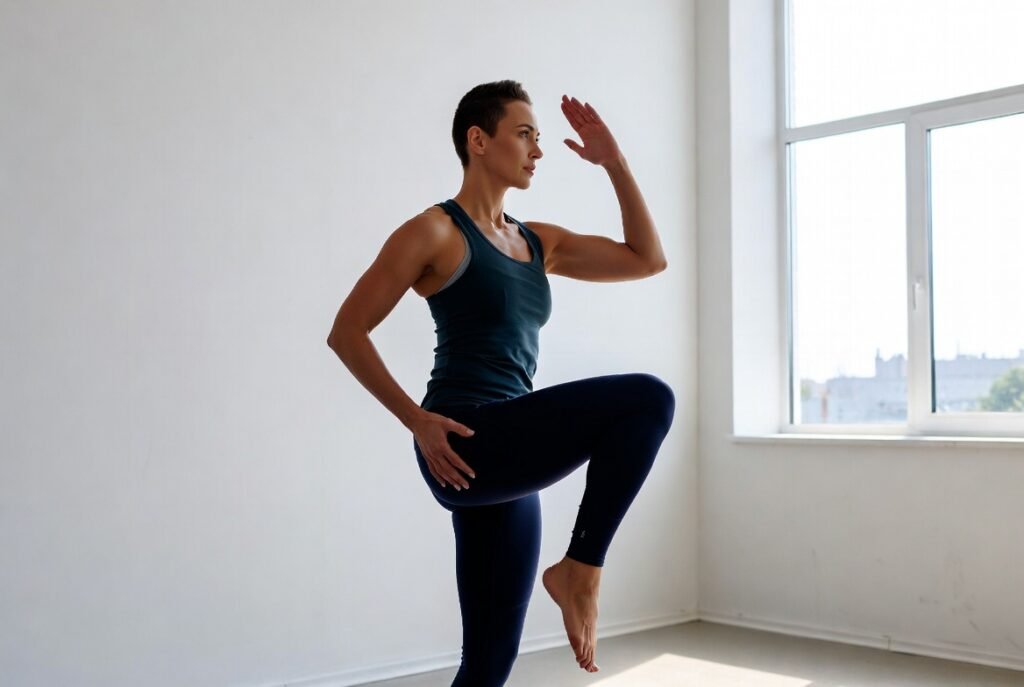
Making balance and posture a challenge, lifting one knee and retaining it momentarily might be a good exercise. The core can involve him/herself to maintain the body in one position, particularly when the grip is relaxed rather than hurried.
Standing resistance press
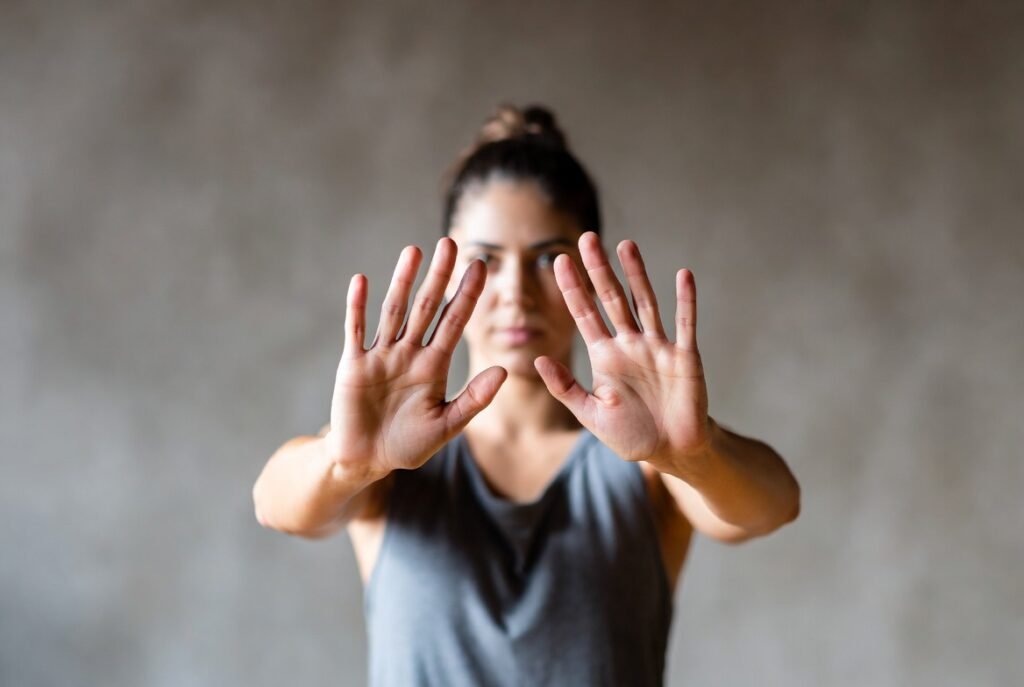
Standing and pushing the arms forward with or without a slight resistance may stimulate the stabilizing of the torso by the core. The movement can be easy, though it needs constant assistance from the middle section.
Standing slow walk in place

Strauss walking slowly in a straight position with attention to posture and balance may, in a gentle manner, stimulate the core. Every step can stimulate small muscle engagement with the body repositioning weight and keeping the body erect.
