
Walking 10,000 steps daily is often called a must for good health, yet it shapes how folks around the world move. Guilt settles in when someone misses that mark. Still, certain experts in body science question whether it makes sense at all. Turns out, gains from walking often stop far shorter than 10,000 steps for anyone. What matters more? How much motion you get overall, how strong it feels, when it happens – not just stepping again and again.
The 10,000-step rule?

Back in 1965, Japan launched a pedometer named “manpo-kei,” literally “10,000-step meter.” Its purpose was a clever marketing move, nothing more. At that point, health advice rested on little research. The idea of exactly 10,000 steps each day had no real proof to back it up then.
Research Shows Benefits Start Much Lower

One often-cited 2019 paper in JAMA Internal Medicine showed older women facing lower death risk – roughly 4,400 daily steps helped more than 2,700. As movement rose, gains climbed toward 7,500 steps, yet stopped rising once past that point.
More Isn’t Always Better

Beyond 7 to 8 thousand steps, gains shrink for numerous grownups, according to major research efforts. Though added physical activity helps most individuals without serious medical issues, it brings only minor additional wellness benefits.
Intensity Matters More Than Raw Steps

A brisk pace lifts your heart’s workload – this kind of movement builds better circulation faster than leisurely ambling. Even brief bursts with intensity may deliver deeper energy gains than completing a long string of idle strides.
Strength Training Is Often Ignored

Every now and then, a step can do wonders for well-being, yet relying only on walking won’t boost strength or stronger bones. Groups such as the World Health Organization suggest fitting in exercises that work multiple muscle groups – at least twice weekly – while also making room for steady movement like jogging or cycling.
Sedentary Time Matters

Taking 10,000 steps means little if you are sitting or doing nothing the rest of the day. Most of your hours might feel busy yet filled with stillness, risking well-being despite moving daily. Stopping to stand breaks the stretch of sitting just as much as motion does. Taking small work breaks and doing little chores around are real catalysts.
Age and Health Status Change the Target

Many older folks find real benefits even below 7,000 steps, especially if health is tricky. What works best is a thing to find out, since goals shaped around each person, not one-size-fits-all numbers. The elderly may find it difficult to walk too many steps since medication and body conditions don’t allow.
Consistency

Taking 10,000 steps a week, now and then, won’t make up for sitting still the rest of the time. Moving every single day, even just between 6,000 and 8,000 steps, builds deeper health advantages over time. Consistency is real game changer, instead of focusing on number, it should be the disciple of walking every day that should count.
Mental Health Benefits Don’t Require 10,000 Steps

Short strolls – just 10 to 20 minutes – are enough to ease tension, lift spirits, and sharpen thinking. Good mental gains happen way before reaching ten thousand steps. How much you walk matters less compared to the ambience, talking a stroll in park clears mind much more easily than a strenuous walk.
The Best Goal Is a Realistic One
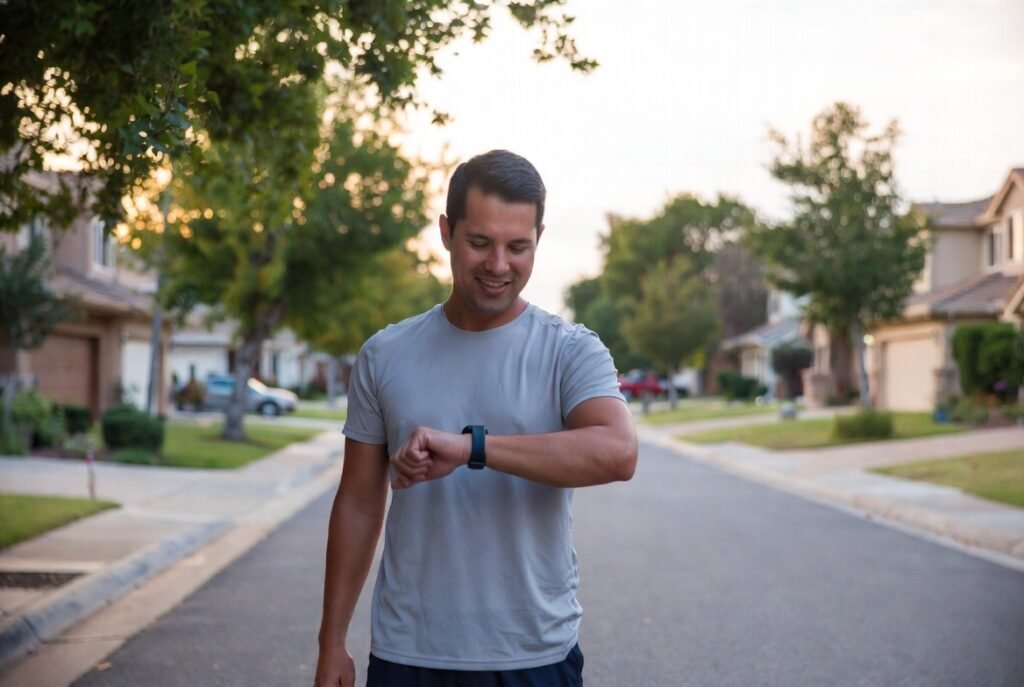
Walking every day, around seven thousand steps, could work if your routine allows it and you feel up to it. What actually helps most might not be a set count at all but fitting movement into real life – mixing in flow, light exercises, fewer stretches on the couch. Don’t go by the book to follow; let your body decide the best goal for you. If it’s hurting you, turn to more easier walking regimes.
