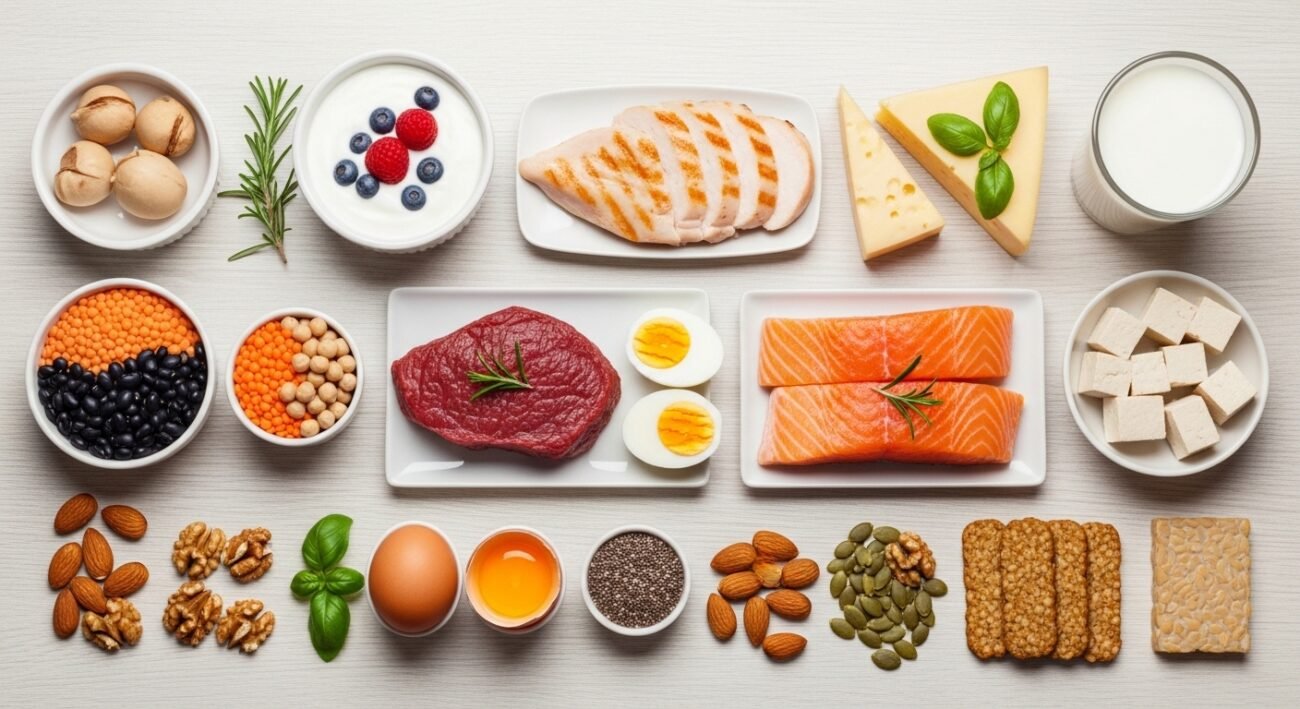
Protein plays a powerful role in weight management because it supports muscle retention, boosts satiety, and slightly increases calorie burn through digestion. When you are trying to lose weight, eating enough protein helps preserve lean muscle mass while encouraging fat loss. It also helps control hunger, making it easier to maintain a calorie deficit without feeling deprived.
The General Baseline Recommendation

For adults who are not actively dieting, the general guideline is about 0.8 grams of protein per kilogram of body weight per day. However, this amount is considered the minimum needed to prevent deficiency. For weight loss, especially when calories are reduced, higher protein intake is usually recommended to maintain muscle and metabolic health.
Moderate Protein for Weight Loss

Most experts suggest aiming for 1.2 to 1.6 grams of protein per kilogram of body weight per day when trying to lose weight. This range supports muscle preservation while promoting fat loss. It also helps reduce cravings and stabilizes energy levels throughout the day.
Higher Protein for Active Individuals

If you are physically active, strength training, or trying to maintain significant muscle mass during weight loss, recommendations can increase to 1.6 to 2.2 grams per kilogram of body weight. This higher range is particularly helpful for those lifting weights or engaging in regular resistance training.
Protein Breakdown by Body Weight

A person weighing 60 kg (132 lbs) should aim for 72-96 grams of protein daily, while one at 70 kg (154 lbs) should target 84-112 grams. At 80 kg (176 lbs), the range is 96-128 grams, and at 90 kg (198 lbs), it’s 108-144 grams. For a 100 kg (220 lbs) individual, a target of 120-160 grams is reasonable, influenced by activity level, muscle goals, and calorie intake.
Protein Based on Pounds Instead of Kilograms

If calculating in pounds feels easier, a common approach for weight loss is consuming about 0.5 to 0.7 grams of protein per pound of body weight. Active individuals may aim closer to 0.7 to 1 gram per pound, depending on training intensity and goals.
Why Too Little Protein Can Slow Progress

When protein intake is too low during a calorie deficit, the body may break down muscle along with fat. This can slow metabolism over time and make long term weight management more difficult. Adequate protein helps protect muscle, which keeps metabolism more stable.
Spacing Protein Throughout the Day

Instead of consuming most protein in one meal, distributing it evenly across breakfast, lunch, dinner, and snacks can improve muscle protein synthesis and help manage hunger. Balanced meals that include protein, fiber, and healthy fats tend to be the most satisfying.
Choosing Quality Protein Sources

Lean meats, poultry, fish, eggs, dairy, legumes, tofu, tempeh, nuts, and seeds are excellent sources. Combining plant proteins can help ensure a full range of essential amino acids. Whole food sources are generally preferable to relying heavily on processed protein products.
Individual Needs May Vary

Protein requirements can differ based on age, medical conditions, activity level, and body composition goals. Older adults may benefit from slightly higher intake to protect muscle mass. Anyone with kidney disease or other medical concerns should consult a healthcare professional before significantly increasing protein intake.
