In 2026, parenting will be accompanied by endless noise, social media tips, school issues, and increasing mental health consciousness in the United States and the rest of the world. Although not all parents are able to express themselves ideally, everything we say defines the way children perceive themselves and the surrounding environment. Minor words spoken in frustration or even habitually can create an imprint in the long run. With a tighter rein on language, the use of dismissive or absolute words should be avoided, and parents working to strengthen the trust via building up confidence and great commitment so that the parent-child relationships in the future can provide the children with support way after their adulthood.
“Because I Said So”

This statement is able to close the curiosity rather than impart knowledge and acceptance of one another. Even though boundaries are relevant, the importance of reasoning also facilitates the development of critical thinking and appreciation of rules in children, instead of blind obedience due to fear, without long-term sustainability.
“Stop Crying”

To ask a child to quit crying may be the same as teaching a child to be a stoic. Promoting healthy expressions of emotions, rather, assists children in feeling more resilient, improves their vocabulary, and in one that is more effective in managing themselves as they age.
“You’re Fine”

When a child is dismissed, whether accidentally in a stressful situation or not, he or she might start doubting his or her experiences and feelings. Checking the emotions in the simplest situations, even in small things, will create trust and strengthen the idea that their feelings have the right to be heard and supported.
“Why Can’t You Be Like”

The comparisons with siblings, high school peers, or other children might silently harm self-esteem and produce false competition in families. All children grow not at the same rate, and by concentrating on what a child is doing best, one will feel more confident and not insecure or unhealthy competition.
“You Always” or “You Never”

Extreme words used when disciplining children will cause children to feel negatively profiled, rather than positively mentored. By focusing on particular behaviors instead of general character assessments, responsibility is developed, and the sense of identity and self-worth is safeguarded, thereby developing a child.
“That’s Not a Big Deal”

What appears minor to an adult might appear monumental to a child. Listening with care not only teaches a child empathy, but it also makes them feel that they can come to their parents with their issues without the fear of being rejected or being misconstrued.
“I’m Disappointed in You”

Although accountability is important in parenting, what provides self-worth is putting disappointment in framing it around the behavior and not around the child. Unambiguous discussions of the options and outcomes are more efficient than statements that seem too intimate or heartfelt.
“Big Boys/Girls Don’t…”
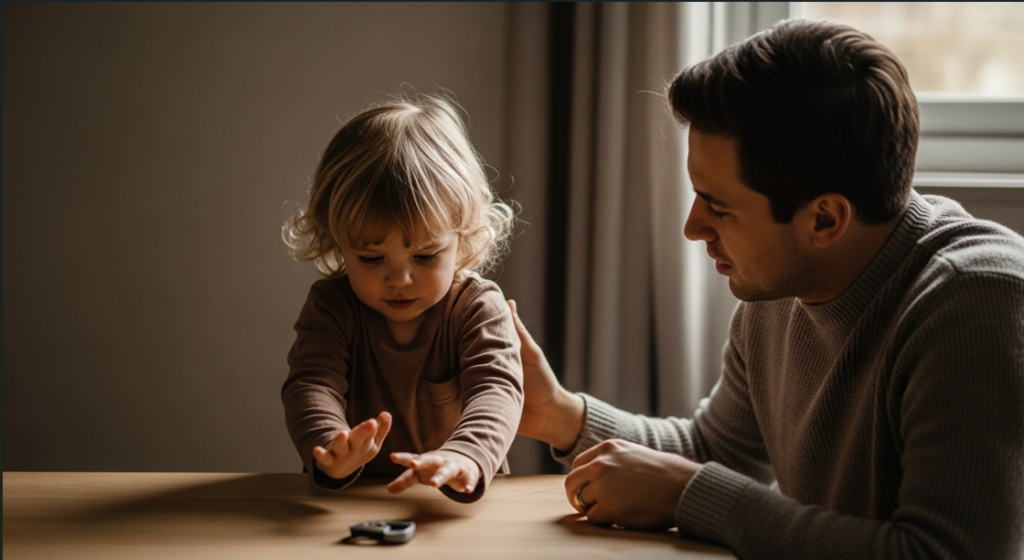
A connection between behavior and age or maturity will inadvertently lead to shame of the normal stages of development. The promotion of development without any sense of embarrassment leads to healthier emotional growth and more confidence in different social settings in the long run.
“Calm Down”

When a situation becomes stressful, one can hardly effectively tell a child to calm down. By providing such tools as deep breathing, counting, and stepping away, emotion regulation is provided but not dictated without any viable instructions.
“You’re So Smart”
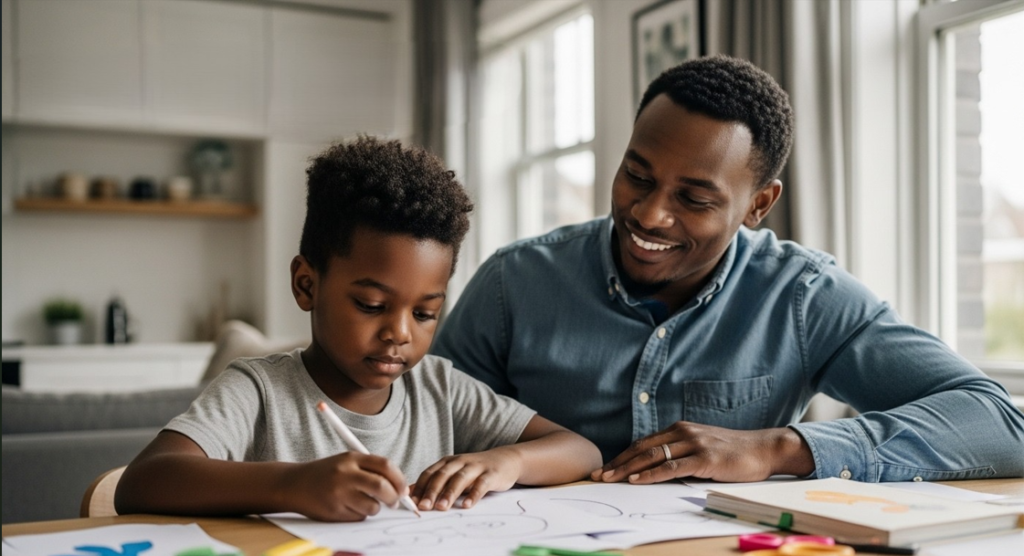
Even praise should also be used with other unintentional effects when one concentrates on natural talent rather than labor. The focus on persistence, the aspect of improvement, and learning through mistakes allows developing the growth mindset that can be beneficial to kids in terms of their academic, social, and emotional well-being.
