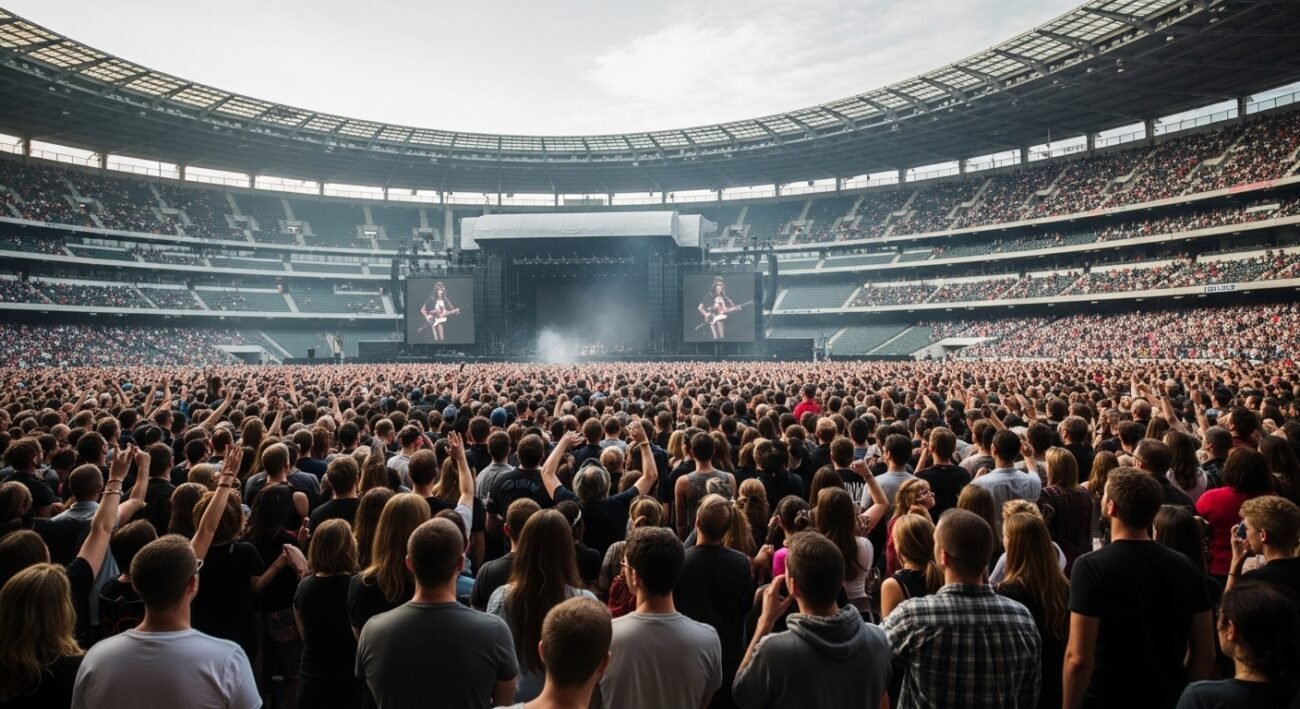
Live music is not a new ritual of the culture, and it has been bringing together thousands of people to a common location to experience collectively. However, in recent days, most fans complain that visiting big concerts has become more difficult than ever. The frenzied demand, scarcity of tickets, resale fees and technical hiccups have contributed to frustration in the global front. Since stadium tours can sell out within a few minutes, some are declaring it the end of concerts to everyday fans who feel cost out or completely locked out.
Demand for Global Tours is Broken
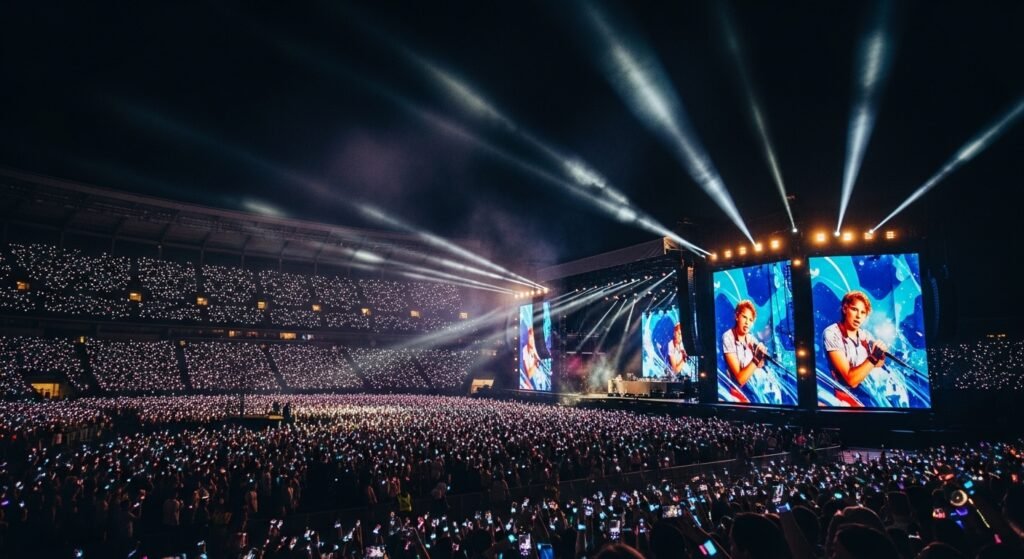
Big artists are creating demand beyond unprecedented. The Eras Tour by Taylor Swift was among the tours that had millions competing to get the scarce tickets in various parts of the world. On the same note, tickets have been going crazy due to shows by Beyonce Renaissance World Tour and speculation of reunions among groups such as Oasis. As global fanbases become a reality with the help of social media, the demand can be many times higher than the capacity of the venue.
Ticketmaster Scandals and Technical Breakdowns
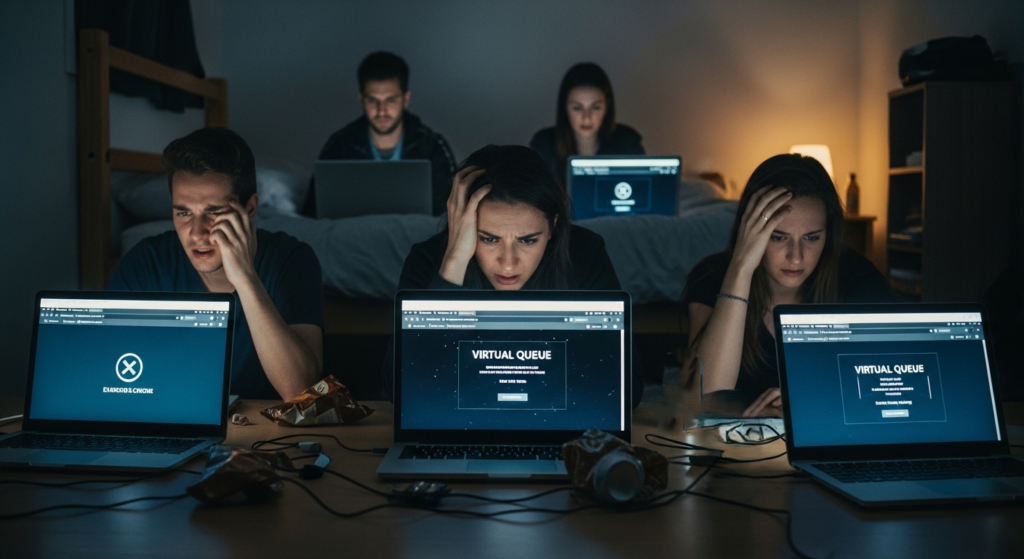
Ticketing giant Ticketmaster has come under fire following high-profile sales crashes. At presales to The Eras Tour, site crashes and long virtual queues left fans going home with no cash. The response resulted in media criticism as well as hearings by United States Senate committees into competition and consumer protection in the ticketing sector.
Movement toward dynamic pricing leads to increased costs
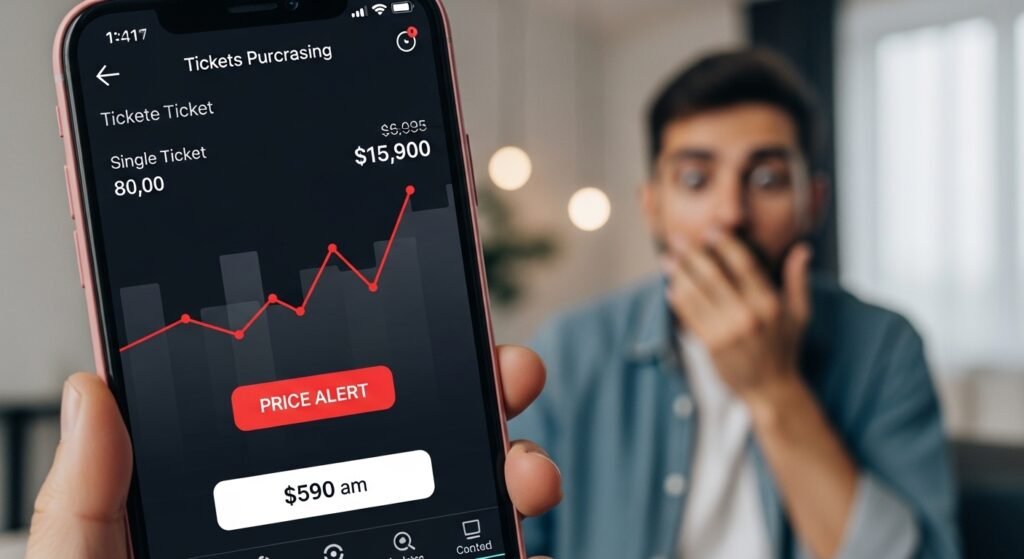
Most ticket sites are currently using dynamic pricing, which adjusts prices in response to demand. Although the same systems have been used in planes and hotels, the fans claim that the concert tickets may get doubled or even tripled within a real time. In the case of high demand performances, regular seats even occasionally become of a premium level, and live events become unaffordable to popular families.
The Resale Market Explosion

Secondary markets have expanded at a high rate. Business organizations, such as StubHub and SeatGeek, enable resellers to sell tickets instantly, usually at exorbitant prices. Despite the flexibility offered by resale sites, critics argue that automated bots and professional scalawags get first pick to procure tickets leaving real fans to buy them at an exorbitant price.
Scalping Technology and Bots

Purchases made by ticket-buying bots are executed in milliseconds, much faster than a human buyer. However, even with anti-bot laws in some countries such as the United States and the United Kingdom it is difficult to enforce it. Resellers It is common to hear accounts of fans seeing tickets sold within seconds, which supports the view that technology puts resellers ahead of individuals.
Rising Production Costs

Current stadium tours are enormous productions with lots of staging, lighting, choreography, and visual effects. The magnitude observed in touring projects such as Music of the Spheres World Tour by Coldplay points to high levels of investments. Higher transportation, staffing, insurance and equipment costs are bound to have an effect on the prices of tickets.
Barriers in Presales and Membership Fans

Most tours have ticketing options including credit card programs, fan clubs, or even pre-sale through the platform. Although the systems are meant to reward the loyal fans, they may lead to layered access hurdles. Individuals without special memberships or prior registration have found that general sales rarely have much or any remaining stock.
Social Media Intensifies Scarcity Anxiety

Social media such as TikTok and Instagram enhance the sense of urgency. Viral countdowns, queueing a screenshot, and resale post further generate the feeling of missing out. When fans observe other people with several shows in their pocket and they were not able to do so, they become even more angry and form even more negative opinions.
Are Concerts Truly Ending?

Live music revenue is high across the world despite the outcry. The stadiums are still sold out, and musicians record high collections. What appears to be coming to an end is not the nature of concerts per se but the feeling that they are readily available. To so many, it has become a deliberate plan, flexible budgets, and even a gamble to attend a huge tour. The live music industry is building up yet the question on whether it can achieve the golden mean between profitability and accessibility rests on the table.
