
What drives us usually gets credited as the main driver of shifts, yet this force tends to falter more than we admit. Strength appears some mornings, vanishes on others without warning. Deep, enduring transformations hardly ever tie back to mood-driven sparks. This grows out of simple systems – ones that function well during weak power and low motivation. When a framework exists, choices become less frequent, obstacles fade, progress follows its own rhythm, all while skipping reliance on emotional highs or lows.
Stop Asking How You Feel Before You Act

Starting after you think you’re prepared tends to slow things down. Work follows a pattern so emotions don’t get in the way. If doing something feels natural, progress keeps going even when mood shifts.
Turn Goals Into Non-Negotiable Blocks
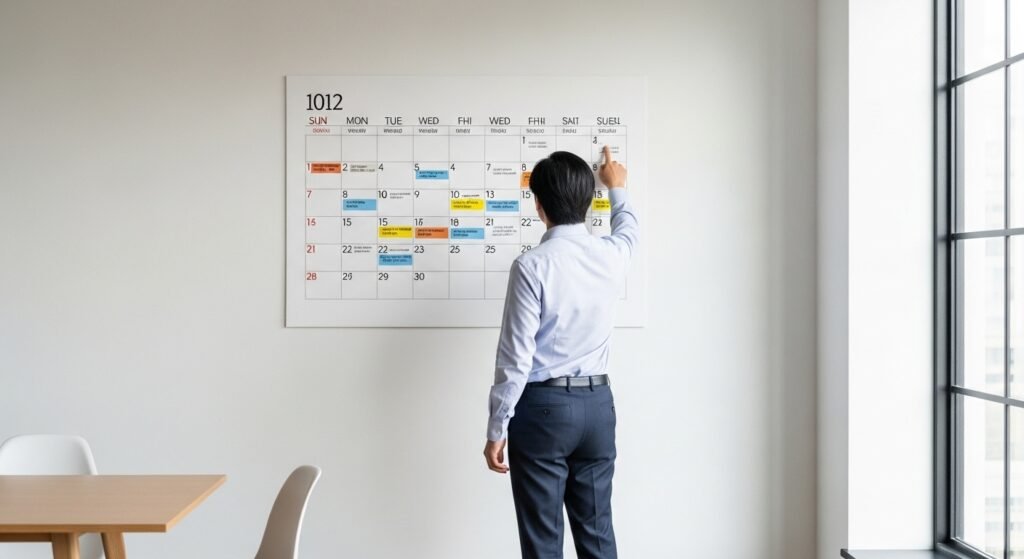
Only when goals show up in your calendar do they feel real. Putting them into specific slots changes intention into action. If an activity happens every week, month, or day, it stops being a choice and just fits – no more debates.
Cut down daily choices

When options pile up, thinking gets heavy. Doing the same things every day – like eating one kind of food, moving your body at set hours, or entering work through a single path – lightens the load. This kind of pattern cuts down effort after effort. Sticking becomes smoother without constant choices weighing on you.
Design Your Environment for Success

What’s around you shapes how you act far better than drive or intent ever could. Leaving helpful items out where they’re seen matters, just like cutting down clutter that steals focus. If the space itself backs your routines, moving forward happens without effort, never pushed by pressure.
Use Minimum Standards on Low Energy Days
Showing up doesn’t require pouring everything into it. Even low-energy days can hold some version of the routine. Maintenance happens through minimal effort, not sheer will. Stopping entirely becomes less likely when there’s some form of action. Momentum grows quietly through those thin performances.
Watch What You Do, Not How You Feel
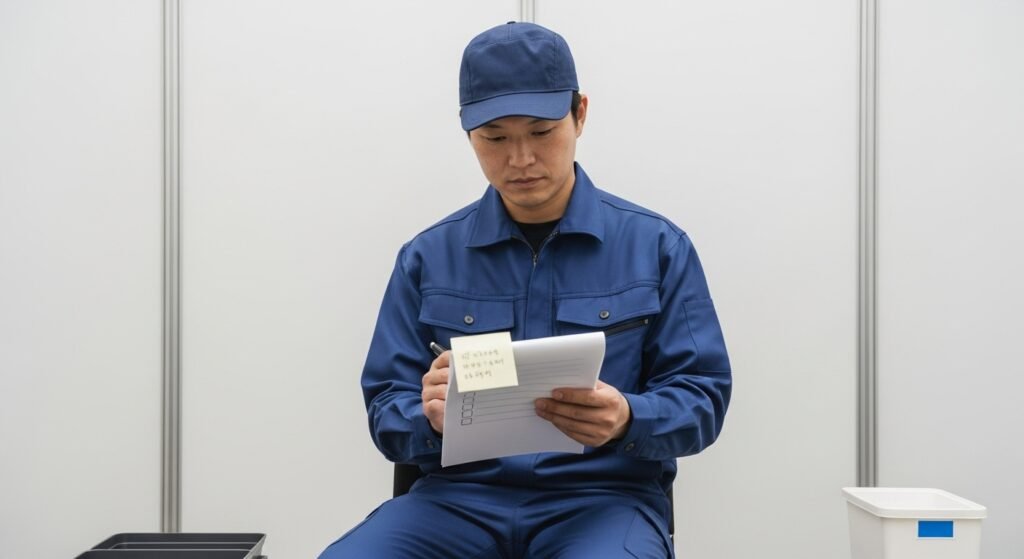
Doing the same things again shapes progress, not from peak feelings. Watching your steps brings clarity, also makes responsibility real but light. Effort piling up slowly shapes trust, even if the drive flickers out or vanishes.
Build Routines Around Triggers

Starting fresh works better if it rides the wave of what you already do. Slip actions beside each other, then the motion stays smooth. One thing following another feels automatic, losing need for force or resolve.
Let Momentum Replace Motivation

After setting up the framework, movement takes over. Tiny efforts pile up slowly, shaping something actual. In time, forward motion settles into rhythm – calm, ongoing, not driven by bursts of energy.
