
We’ve all heard the push for tougher climate laws, bans on gas heaters, urban car restrictions, limits on meat, or thermostats to force faster change. But what if slapping on mandatory rules actually backfires, making people less eager to go green on their own? Recent studies, especially a big one out of the Santa Fe Institute published in Nature Sustainability, suggest exactly that. Researchers surveyed thousands and found “crowding out” effects where strict mandates erode personal drive instead of boosting it. Here are seven key points explaining why heavy-handed rules might hurt more than help motivation.
The “Crowding Out” Effect in Action

If external regulations take control, they can eliminate the internal drive, that is, the pleasant feeling of biking, recycling, or reducing energy consumption purely out of concern for the planet. Psychologists define this phenomenon as crowding out: when a behavior is perceived as obligatory, the individual’s value associated with it diminishes.
Aversion to Control Triggers Resistance
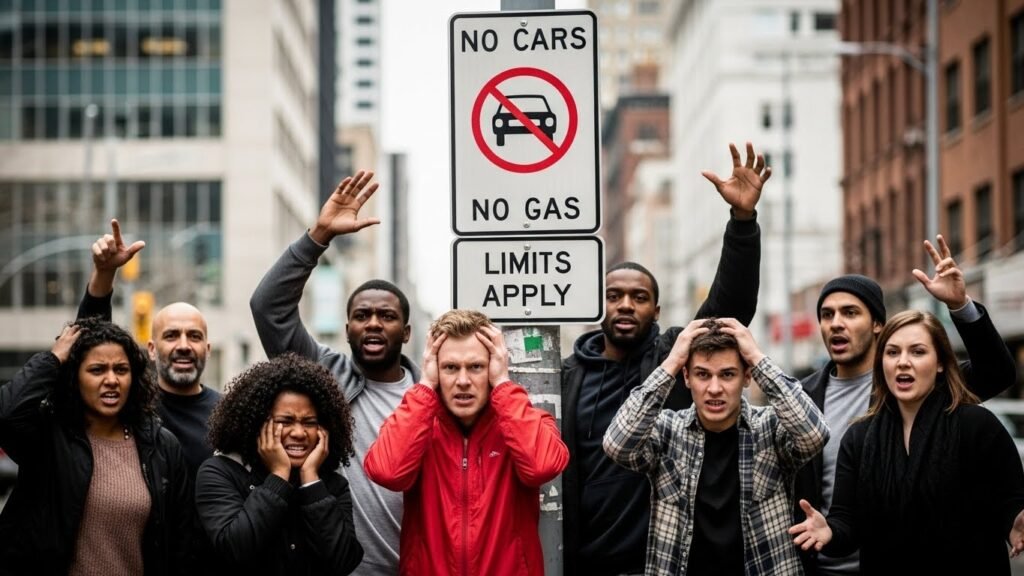
People hate feeling controlled; it’s called “control aversion.” Surveys found folks react way stronger to climate mandates than to similar COVID rules. Even environmentally conscious people push back against bans on cars in cities or forced thermostat limits, feeling their autonomy is under attack and losing trust in the system.
It Can Weaken Pro-Environmental Values

Lifestyle changes, such as banning private cars in the city center, are not only a means of enforcing certain behaviors but may also take away the green values already there. The support for the broadest climate policies goes down when a formerly voluntary action becomes mandatory.
Real-World Examples Show Political Fallout
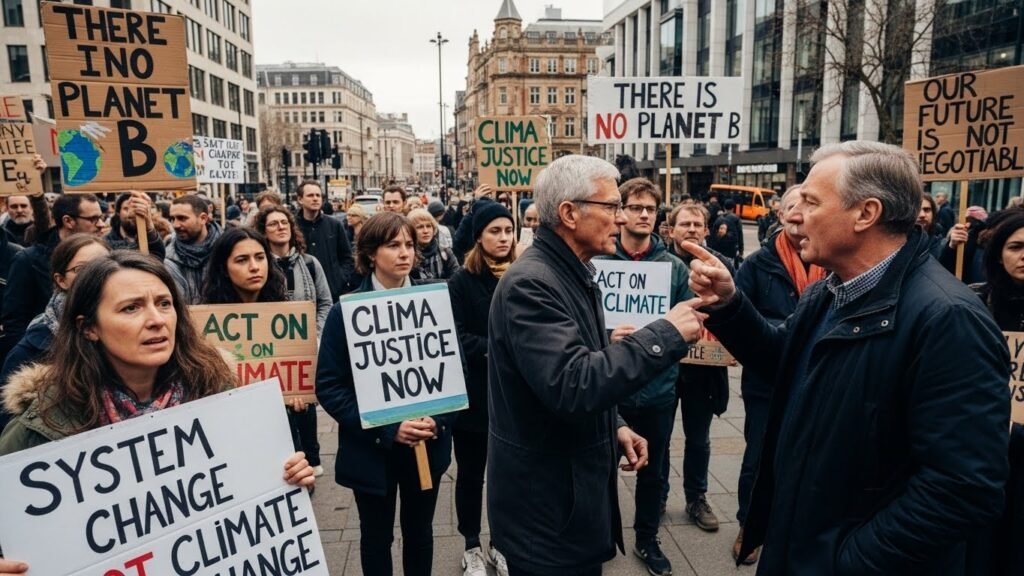
Look at Germany’s “heating hammer” law, which aimed to phase out gas boilers but got framed as a ban, sparking huge opposition and even contributing to government shake-ups. Similar stories pop up with meat taxes or flight limits: strict rules spark rebellion, rolling back support for green agendas overall.
Voluntary Approaches Build Lasting Habits

Policies that respect choice, like incentives, better public transit, or education, often strengthen motivation. Once green actions become normal, people keep them up voluntarily. Short-term mandates might kickstart change, but without nurturing intrinsic drive, gains fizzle or reverse.
Effectiveness and Fairness Matter Big Time

Resistance drops when rules feel fair, effective, and non-intrusive; think clear benefits, realistic alternatives (good buses before car bans), and trust that they’re actually cutting emissions. If policies seem symbolic or punishing without payoff, motivation tanks even among supporters.
Smarter Design Could Flip the Script

Policy makers can design rules to build green values instead of crushing them by emphasizing shared goals, offering choices, and avoiding overreach. Combining carrots (subsidies, infrastructure) with light sticks might keep intrinsic motivation alive while hitting targets. It’s about balancing urgency with human psychology for real, lasting change.
