
In case you have been using Social media lately, then it is very likely that you have come across the horrified reactions of American folks reacting to washing dishes the “British way,” that is cleaning them in a basin of soapy water and letting them dry naturally without rinsing them first. Such a method does seem to be fast, but it also brings out this major issue: Is it really hygienic? By the time the end of 2025 came, the controversy was still bubbling, and health authorities had their say regarding soap residue, microbes, and real-life risk. Here are the expert opinions.
What Exactly Is the ‘British Way’?
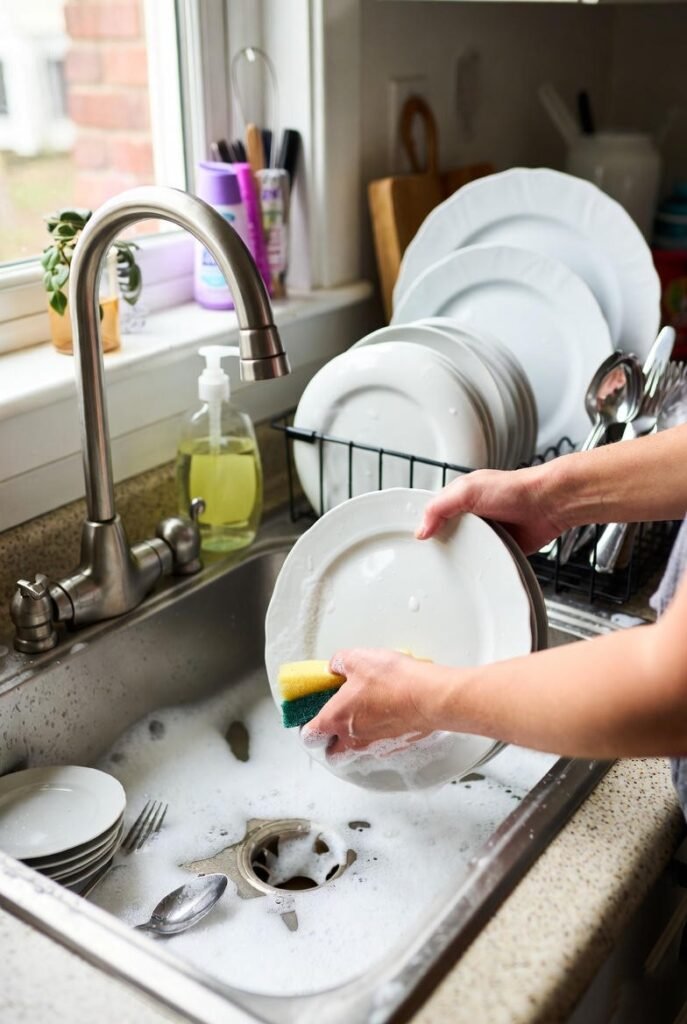
The “British Way” of dishwashing consists of a plastic bowl (washing-up bowl) in the sink, filling it with hot soapy water, soaking the dishes, scrubbing with a sponge, and then usually not rinsing off the suds, letting them drip-dry in the rack, all for water/energy saving, through modern soaps.
Related : When She Finally Realized Her Partner Was Sleeping With Someone Else
Why Do Some Brits Skip the Rinse?
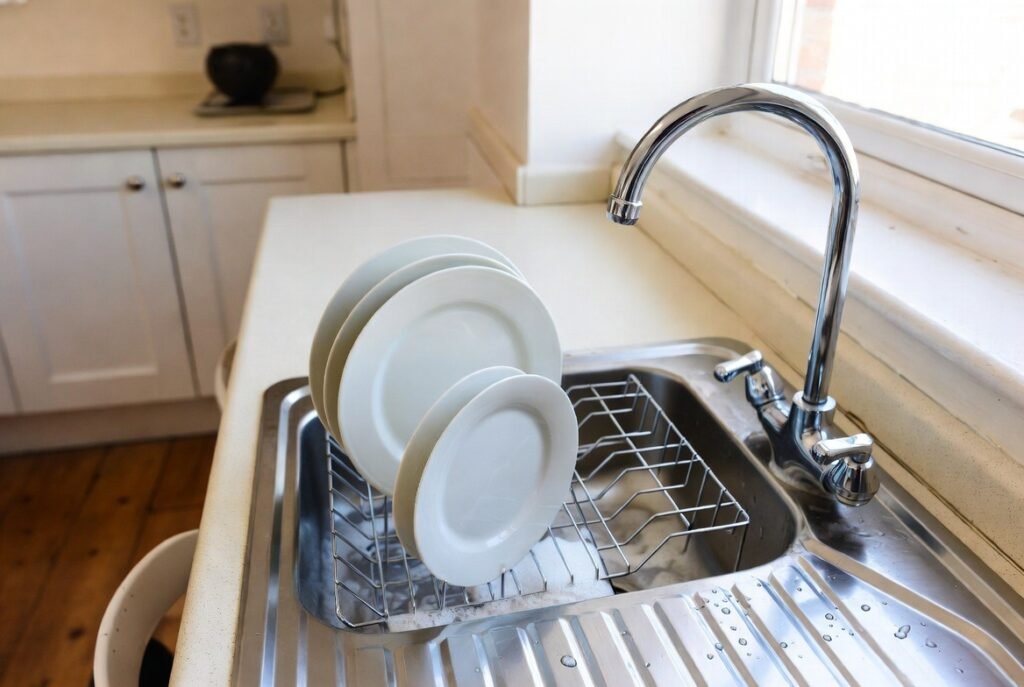
A lot comes down to tradition and practicality. UK kitchens often have single sinks, separate hot/cold taps (making mixing tricky), and higher water costs historically. Plus, brands like Fairy marketed their stuff as leaving no residue if you use the right amount. It feels efficient, and many say they’ve done it forever without issues.
The Main Concern: Soap Residue
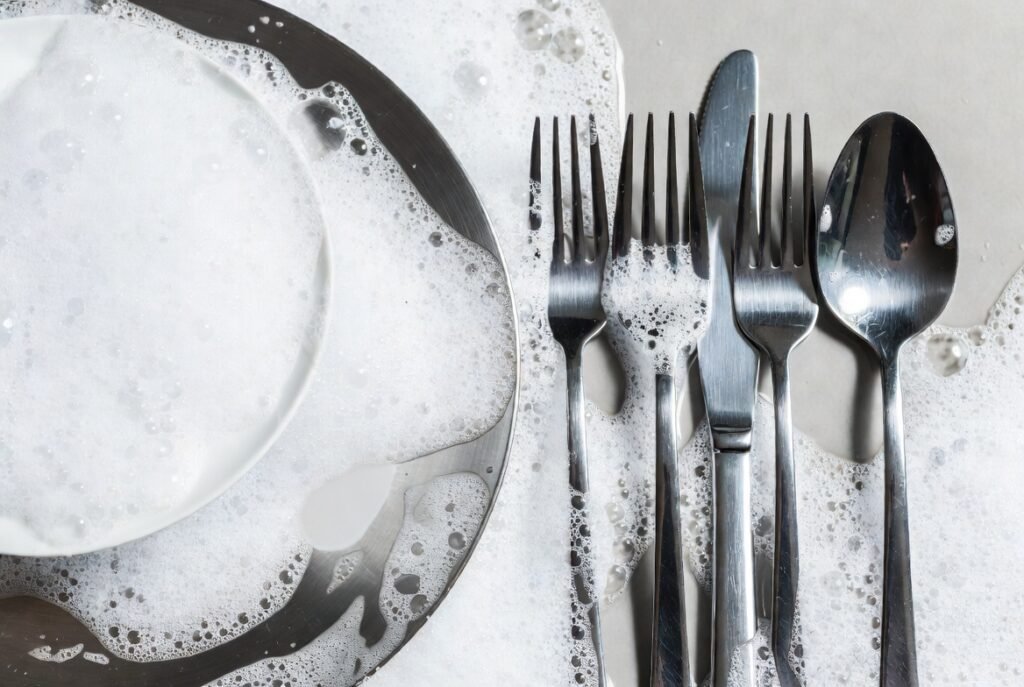
A light coating of detergent can remain on dishes or cups if the bubbles do not drip off completely. You might occasionally have a taste of it (soapy tea, anyone?), but more importantly, it is not good to consume little quantities over a period of time. Medical authorities point out that it might cause stomach irritations or, unfavorably, longer-term concerns.
Related : When She Finally Realized Her Partner Was Sleeping With Someone Else
Bacteria and Cross-Contamination Risks
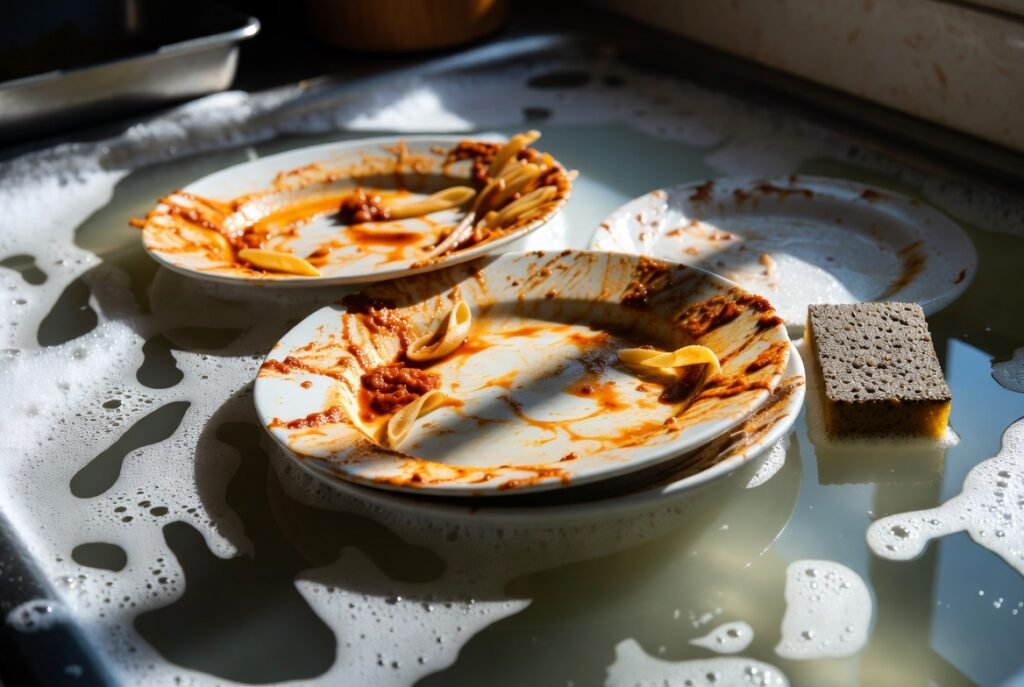
All dishes were washed in the same bowl which resulted in spreading of dirt from one dish (for instance, juices of raw meat) to others, provided, the water turned filthy. No proper rinse means, the leftover food particles or bacteria might remain.
What Poison Control Experts Say
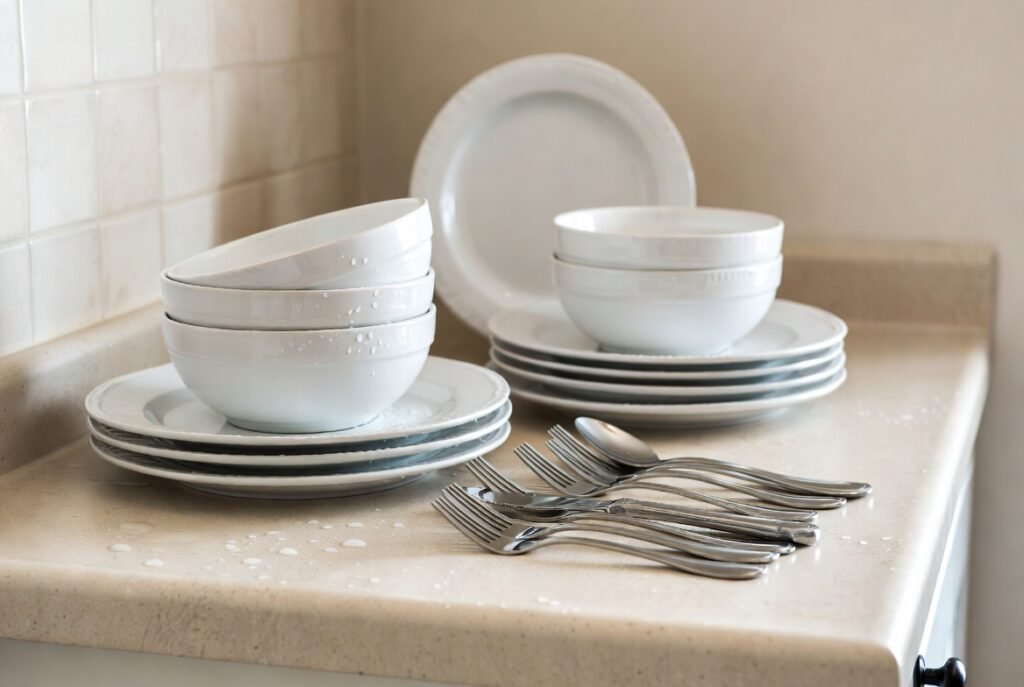
Folks from America’s Poison Centers explain that dish soap residue probably won’t cause sudden illness, but they still recommend rinsing to avoid unnecessary exposure to chemicals. It’s low risk for most, but why chance it when a quick rinse removes the worry?
Infectious Disease Views
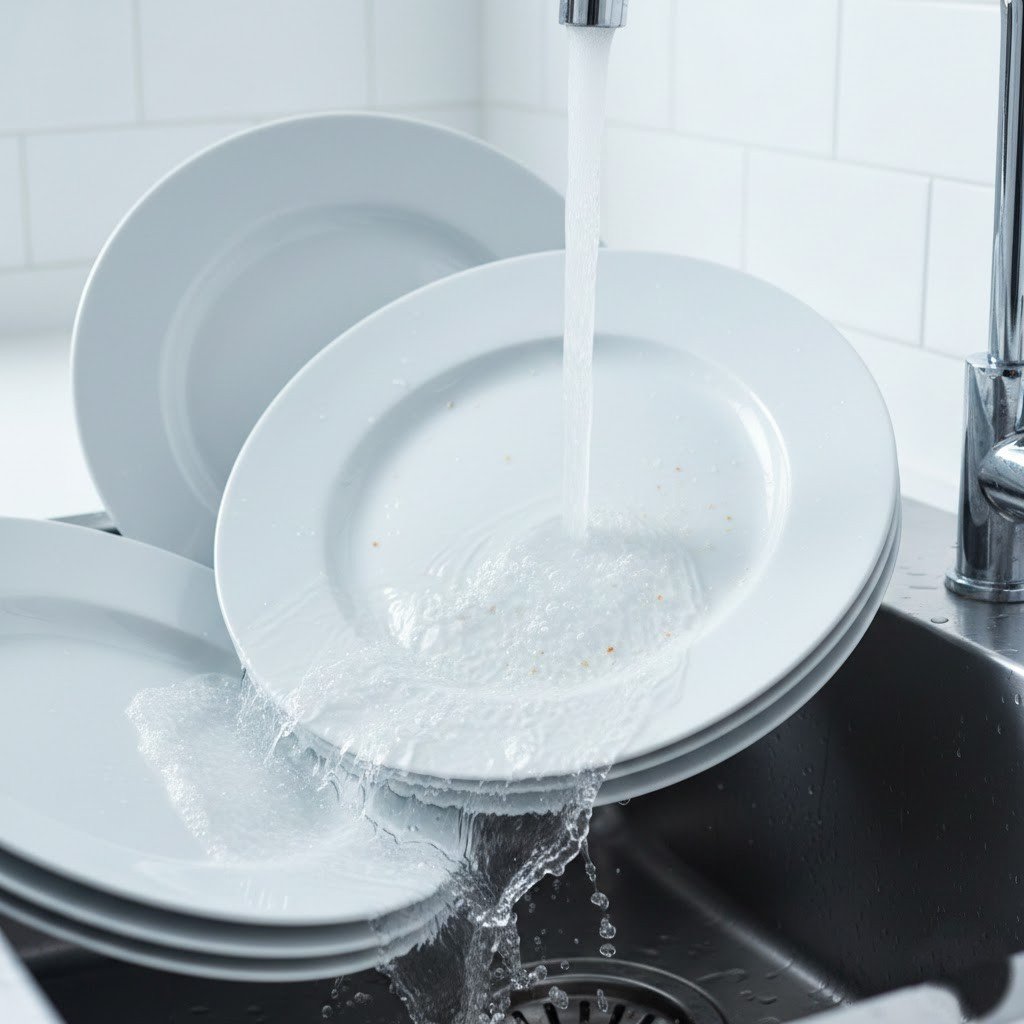
Doctors like those from Johns Hopkins say rinsing isn’t just about soap—it’s the mechanical action of fresh water flushing away extra gunk and germs. Skipping it might leave more behind, potentially leading to foodborne issues over time, though not everyone gets sick from it.
Related : When She Finally Realized Her Partner Was Sleeping With Someone Else
UK Formulas vs. Elsewhere
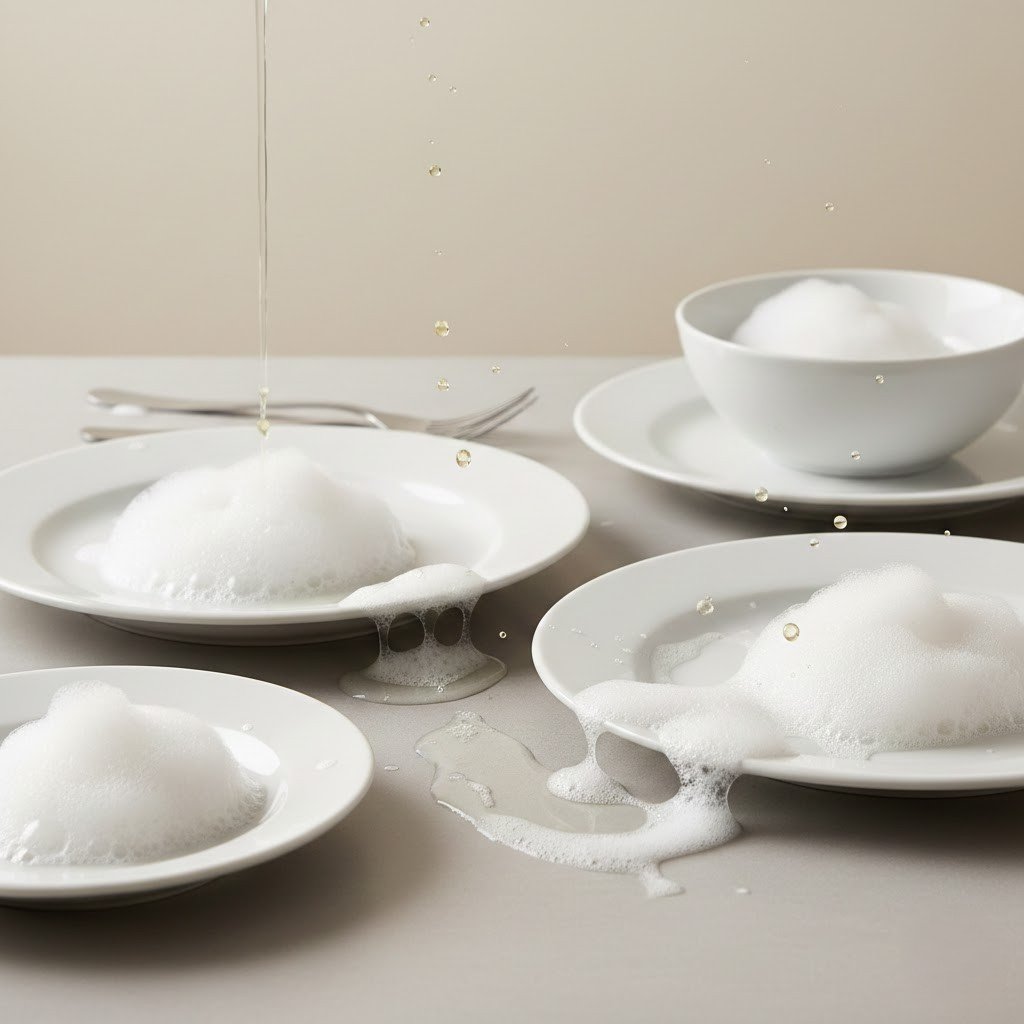
Regulations in the UK and Europe have a decisive influence on the properties of washing-up liquids, and they are often designed for easy rinsing or with minimal safe residue. There are some British consumers who say that they do not notice any taste or do not have any issues, however, experts still recommend rinsing for peace of mind.
The Water-Saving Angle
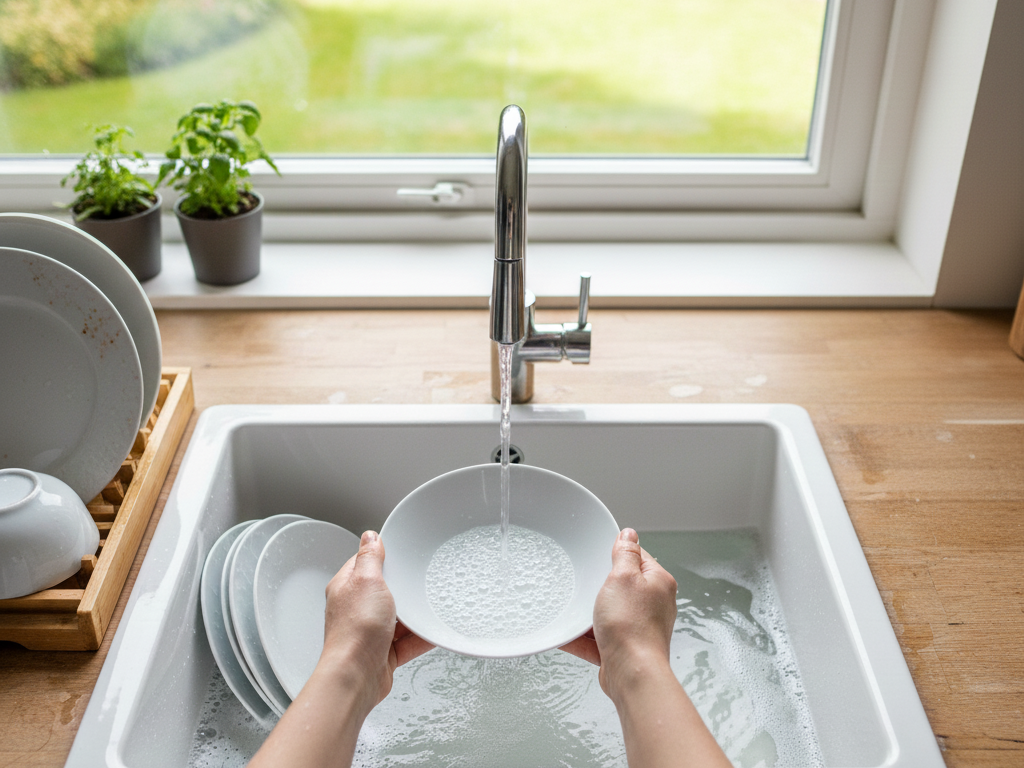
Proponents love that it uses less water with no need for running the tap for rinsing. Fair point, especially with eco concerns. But if you’re sloppy with a running rinse, yeah, the bowl method wins. Mindful rinsing under a low flow can match it, though.
Best Practices from Experts
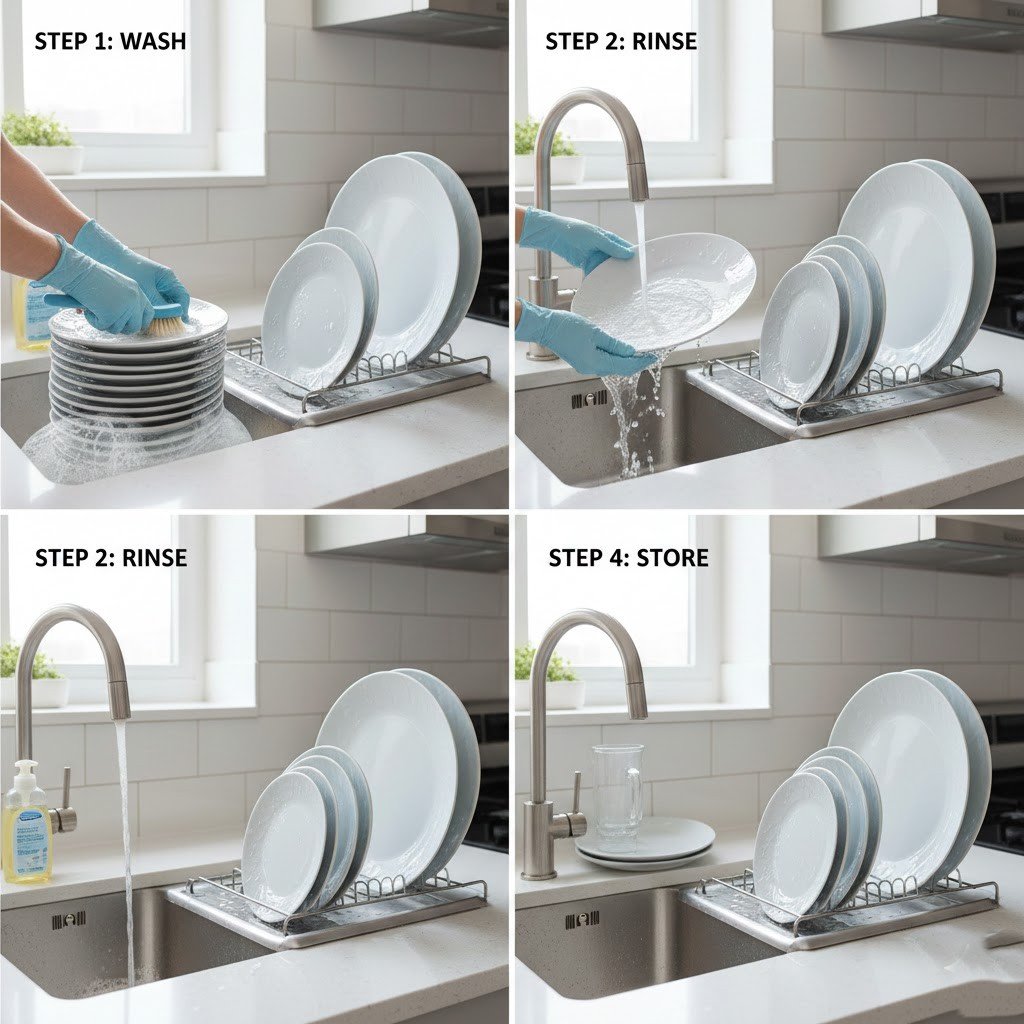
The majority of health professionals are on the same page: wash hands with hot soapy water, rinse under clean running water, and air dry (or dry with a towel). Clean items first and finish with the dirtiest ones. The sponge should be replaced regularly, and if it is possible, very hot water should be used for sanitizing.
The Safest Option Overall
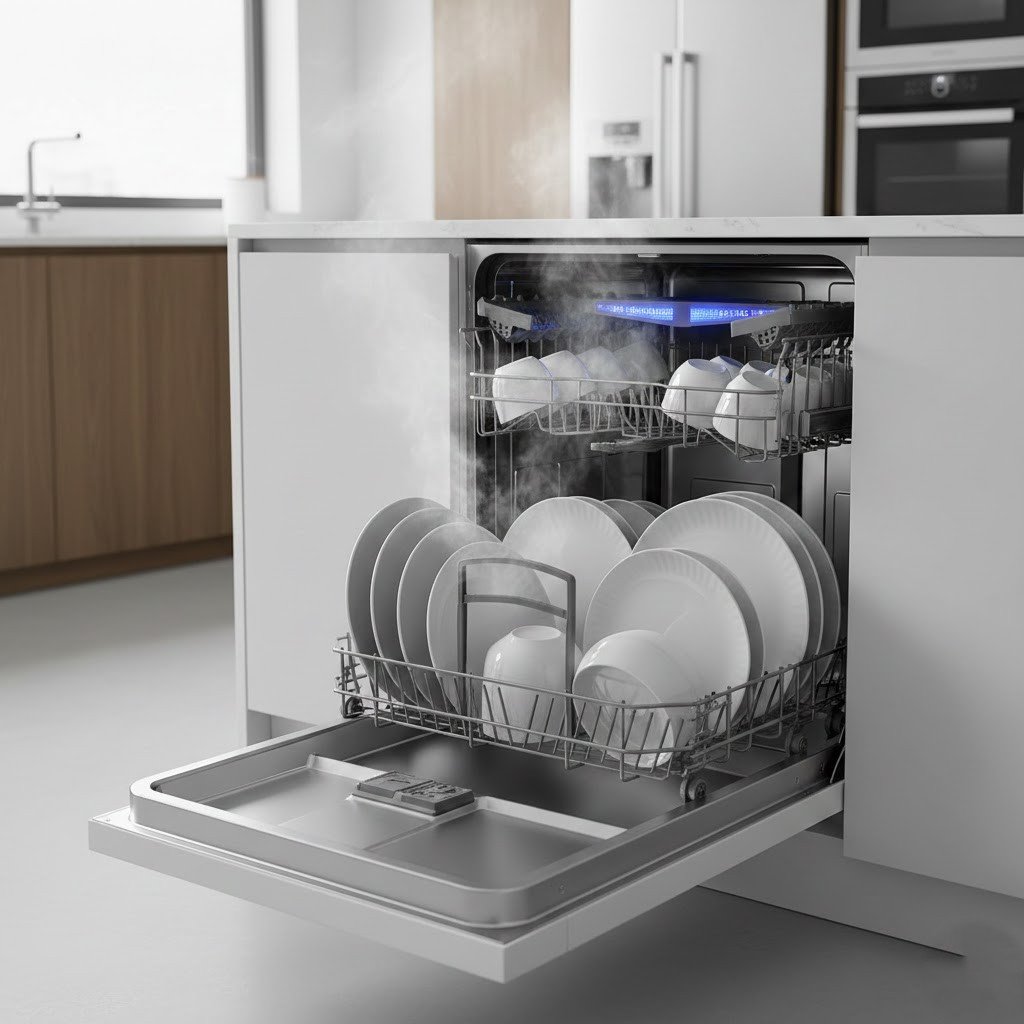
Hands down, a dishwasher wins because it uses super-hot water, rinses properly, and sanitizes better than hand methods. Cheaper and more efficient too in many cases. If you’re sticking to hand-washing, adding that rinse step makes it safer without much extra effort.
