
Each of us has had the experience of going home after a talk, replaying it in our minds, and asking if we have made some odd remarks or if we have given the wrong impression. Actually, the perception of social awkwardness is not so much a matter of one’s personality but rather the unnoticed behaviors that mold people’s impressions of one very quietly. The problem is that the majority of such habits are very common and often come from nerves, overthinking, or simply the person not realizing how he/she appears. This list presents a very intricate representation of those tiny things that can turn communications into discomfort and points to the fact that even slight consciousness can make a difference and make social interactions smooth and natural instantly.
Avoiding Eye Contact or Staring Too Much
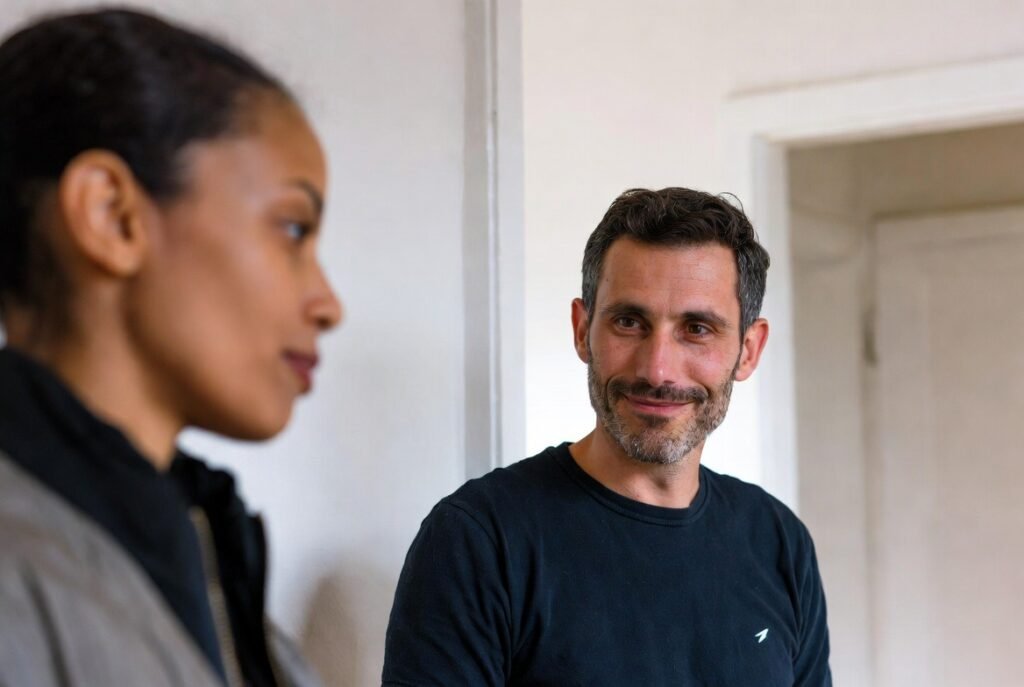
Not looking at someone gives an impression of either being shy or not very much interested. On the contrary, gazing very hard at people’s eyes might be somewhat overwhelming or even frightening. The right amount of eye contact, which is short and easy, is often talked about by people and considered to be natural.
Over-Apologizing for Everything

Insecurity is usually the interpretation if you apologize each and every time, even for situations that are not your concern at all. It renders the conversation akin to that of a person who is constantly on the watch and, thus, feels quite awkward.
Interrupting or Talking Over People

Interrupting by verbalizing out of turn (or even just excusing yourself in a whisper) can give an impression of being impatient or not paying attention. There are numerous accounts of quite awkward situations where this habit has not only interrupted the communication process but also left people feeling annoyed.
Standing Too Close (or Too Far Away)

Trenching upon someone’s personal space can be experienced as very rude while being too far away may come off as unfriendly. Discussions on the internet show how a lack of awareness of others’ personal space can transform an informal conversation into an uncomfortable one.
Fidgeting or Closed Body Language

If someone constantly shifts their position, crosses their arms tightly, or plays with small objects it means that they are either nervous or bored. Such body language is easily picked up by others and they might think that you are not at ease in their presence.
Overexplaining Simple Things

Transforming a brief “yes” into a lengthy narrative or justifying each response can be draining. Quora users are joking about delivering TED Talks to straightforward questions, which results in the audience going silent.
Missing Social Cues or Subtext

Not picking up on sarcasm, when someone’s ready to end a chat, or hints to change topics, leads to awkward prolonging. Redditors often say this is a big one—conversations fizzle because one person doesn’t notice the signals.
Zoning Out or Staring Vacantly

Dropping off during a talk and staring at nothing makes people think that you are not there. It is a frequent complaint among socially awkward persons, they zone out due to anxiety, but it is interpreted as impolite or disconnected.
Using Too Many Filler Words or Speaking Too Softly/Fast

Um, like, uh… every second word or softly speaking so that others have to try hard to hear you, it all puts a stop to communication. Nervousness and talking very fast also bring up the problem of hard following, resulting in repetitions which are sometimes embarrassing.
Nodding in agreement without grasping the point at all.

It often happens that pretending to understand by merely nodding (even in one’s mind) backfires when one can’t give a proper response later. It is a typical avoidance tactic that, however, detects the confusion even more.
Not Reciprocating Energy or Compliments

When a person is excited about something and you simply say “cool” in a neutral tone, or you do not receive a compliment and give no response at all, it totally destroys the energy of the conversation. A lot of the people claim that this type of communication makes others feel ignored or like they are speaking to a wall which quickly turns the light moments into awkward ones.
