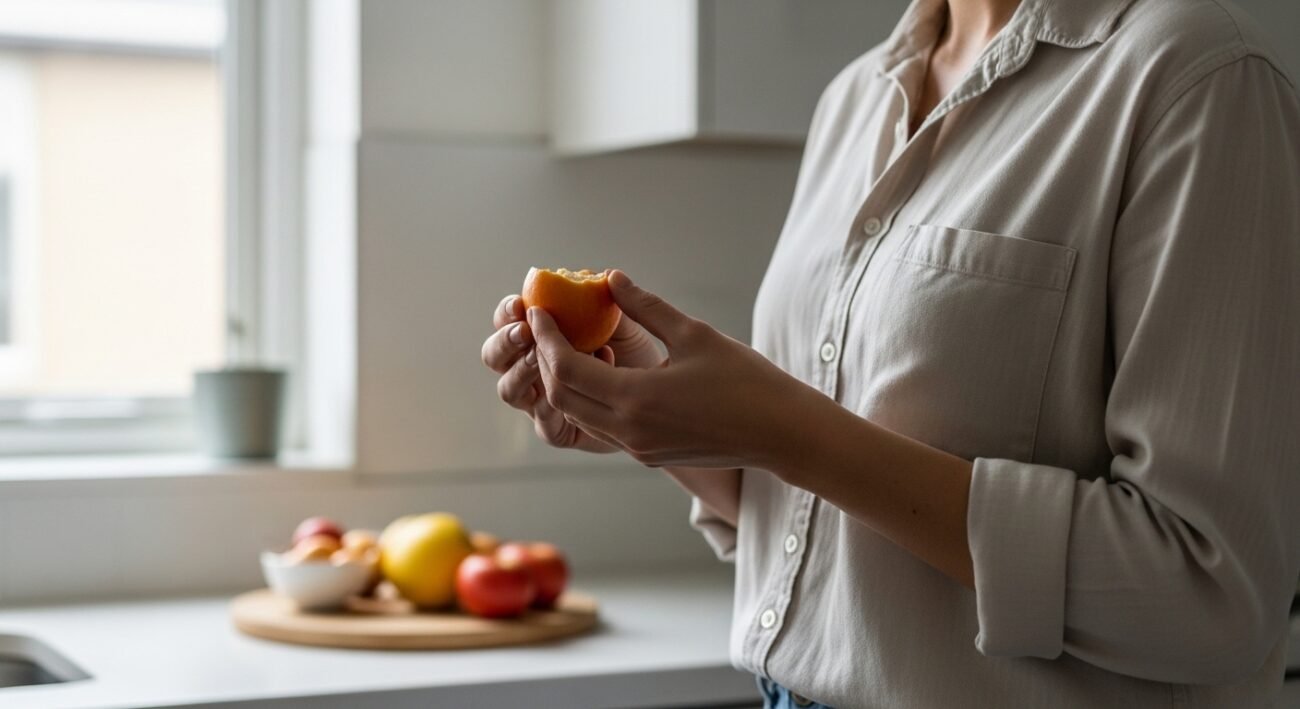
Knowing when fruit is still good to eat versus when it’s gone bad can save you money, reduce food waste, and keep you from getting sick. Fruits spoil at different rates, and the signs vary by type, but there are reliable visual, touch, smell, and taste clues that work across most common fruits. Here’s a practical guide to spotting fresh versus spoiled fruit.
Check the Smell
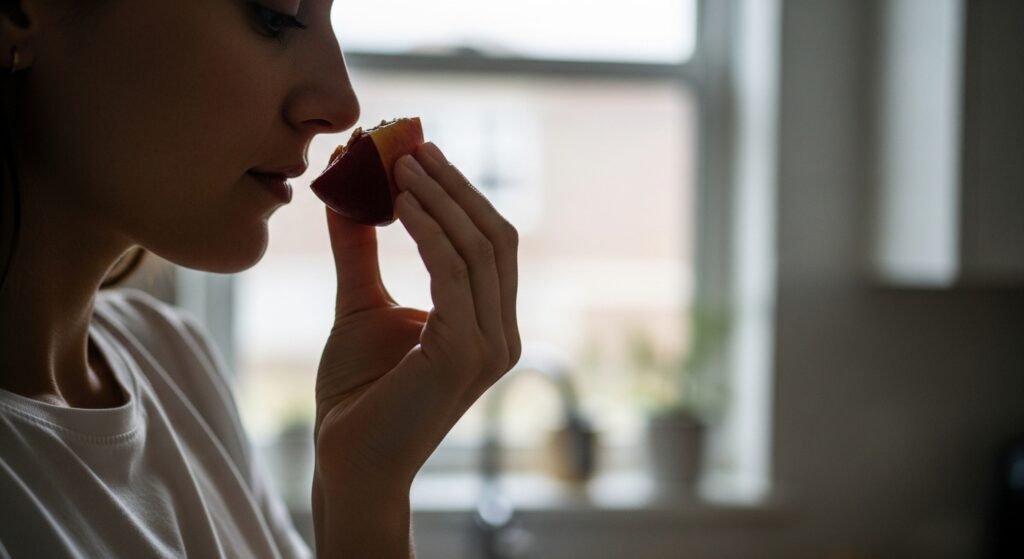
The tip of your nose knows more than you think. Apples, bananas, or berries tend to give off soft, calm aromas – maybe slightly sweet. Something that reeks or stinks likely went bad long ago. A sharp odor? That kind of clue doesn’t hide much. A pungent smell, sharp or bitter, often signals trouble right away.
Look for Mold
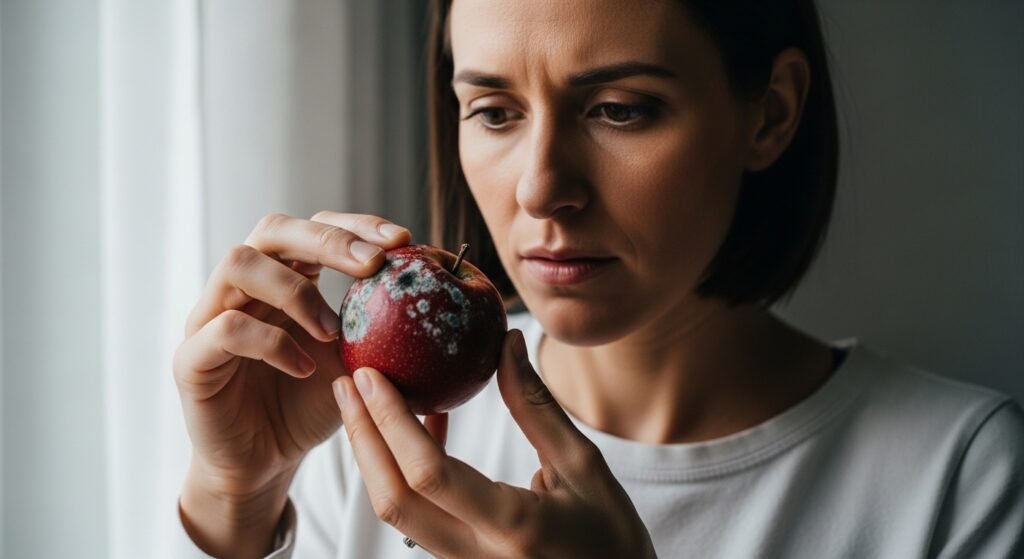
If you can see the mould, then that’s a clear warning sign. White, green, or gray patches – especially on apples or pears – usually call for throwing it away. On berries, trouble hides fast; mold travels under the skin without warning. A single moldy berry in the jar means inspect them all just the same.
Examine the Texture
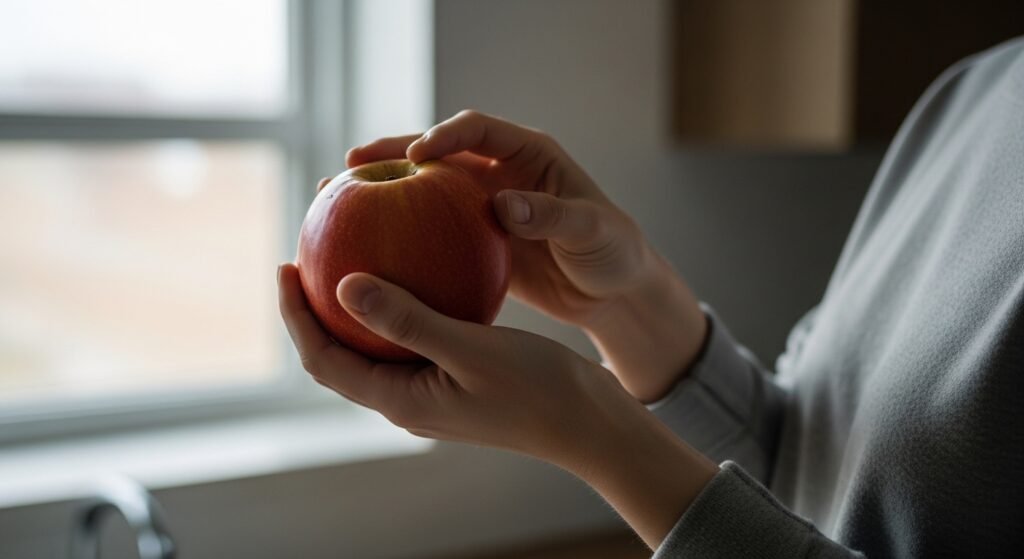
When texture shifts, it can hint at decay. A fruit too soggy to touch, too slippery to hold, or coated in stickiness tends to go wrong. Ripening does drag texture softer in certain fruits – yet slickness that clings or glisten suggests microbes are now active beneath the skin.
Notice color changes.
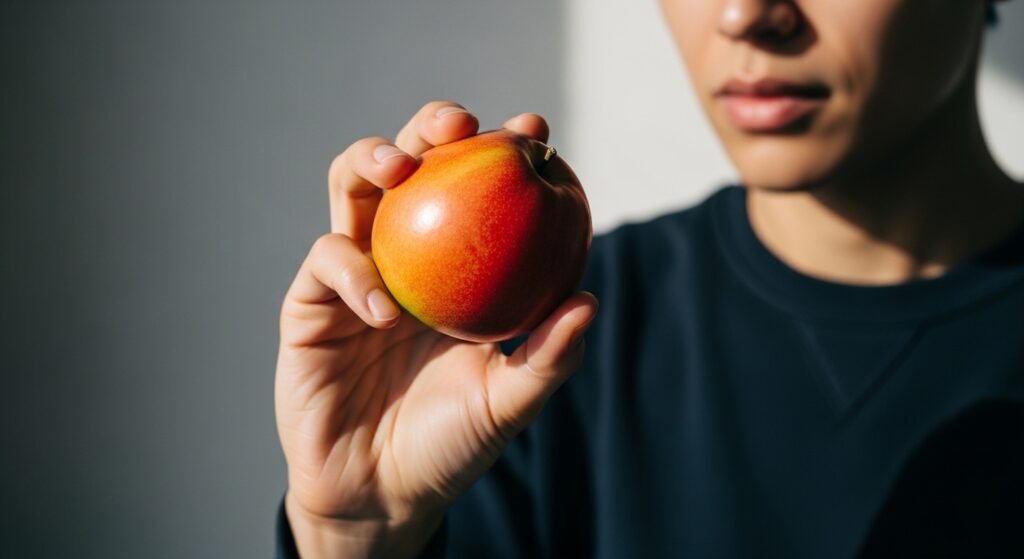
When an apple ripens, its skin might darken. Yet if those shadows appear dull and soggy, something is going wrong. A faint brown mark here or there on a banana? Probably fine. But if streaks of mold spread across its skin, that changes things. Pears can show small red dots after falling – those fade fast. When black rings ring a fruit’s edge, though, trust fades.
Watch for Wrinkling
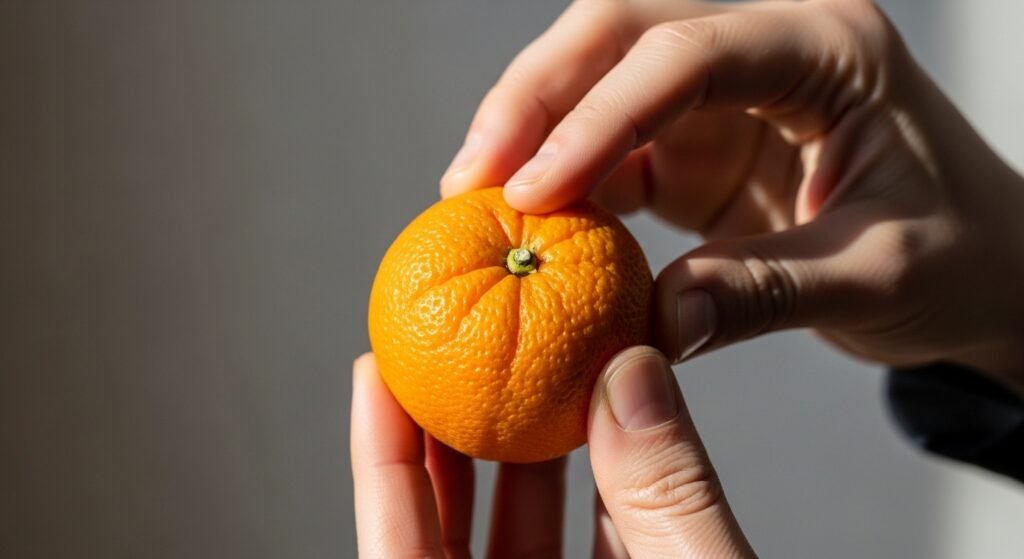
A tiny wrinkle might just indicate the fruit is drying out. Yet when shriveling gets extreme – especially alongside mushiness or stench – it has gone bad. When citrus feels excessively stiff or empty inside, the moisture has likely vanished long ago.
Taste With Caution

Even if it seems okay – looks right, smells good – one tiny bite might clear things up. Fermentation kicks in when flavors turn sour, sharp, or bubbly. Stop immediately once you notice something wrong.
Check Storage Time
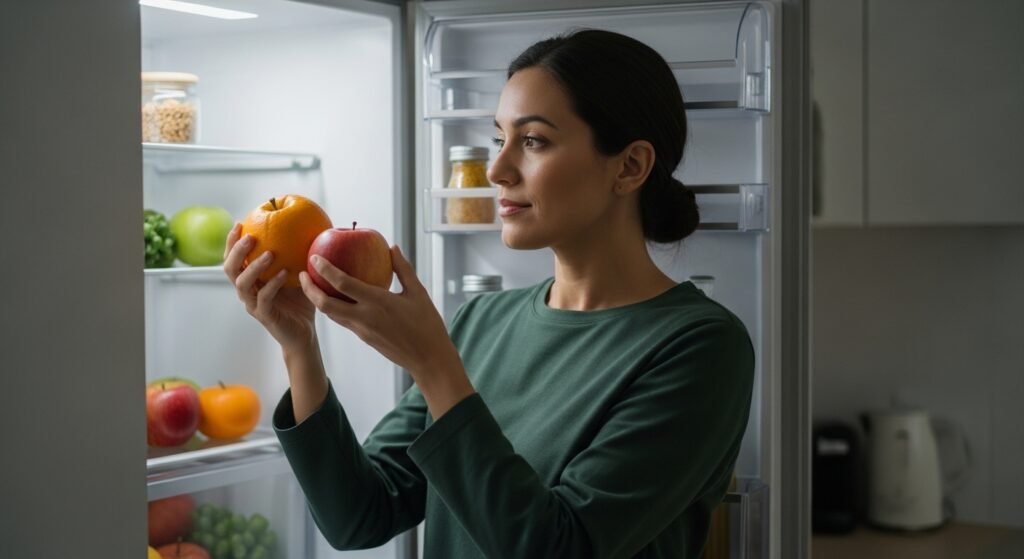
Looks good does not always mean safe. Freshness drops fast for berries – just days in cold storage. Apples and oranges? They take weeks to go bad. Most people forget these timing rules. That little knowledge changes what you choose.
Final Tip
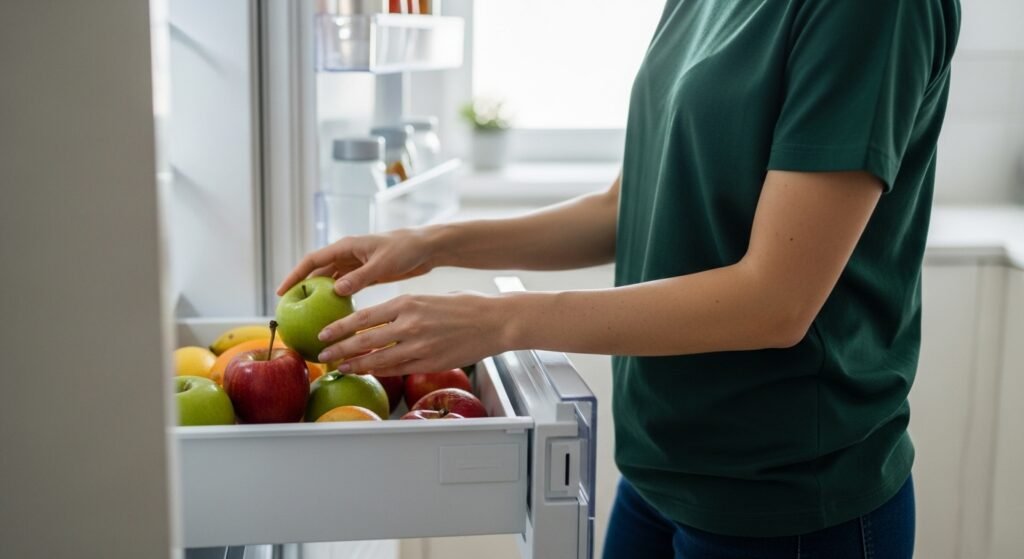
When in doubt, throw it out. Eating spoiled fruit might lead to stomach trouble or illness. Storing it right in the fridge matters, so does solid ventilation plus a rinse moments before eating. These steps may lengthen how long it stays edible while cutting down on wasted portions.
