
Children are usually seen to be absorbed in play, screens, or daydreams, but might be soaking in much more than the adults would think. It may be the little things of daily life, the pauses between the words, and the implicit reactions in a room that create impressions that last a long time. What to grown-ups may be a mere trifle may become a notable subject to the younger minds in subtle and significant ways. These observations are not necessarily rational or dramatic, and they are not in accordance with the priorities of adults. They merely are as a result of inquisitiveness and feeling. Knowledge of this possibility can mildly alter the perception of everyday situations. It can probably not transform everything, but it can bring a bit of awareness to the interactions that are already routine.
Changes in Tone during conversations

Children might fail to comprehend what adults are saying, but any change in tone will still be perceived. A lighter voice, a more incisive response, or abrupt silence could be notable. Such moments may have a sense, although the motives that have led to them may not be entirely clear.
How adults react to mistakes

Children tend to detect responses, rather than results, when something spills or breaks. An expression of relaxed reaction or obvious frustration may make an impression. They may silently understand the way errors are being addressed through these ordinary experiences.
Consistency between words and actions
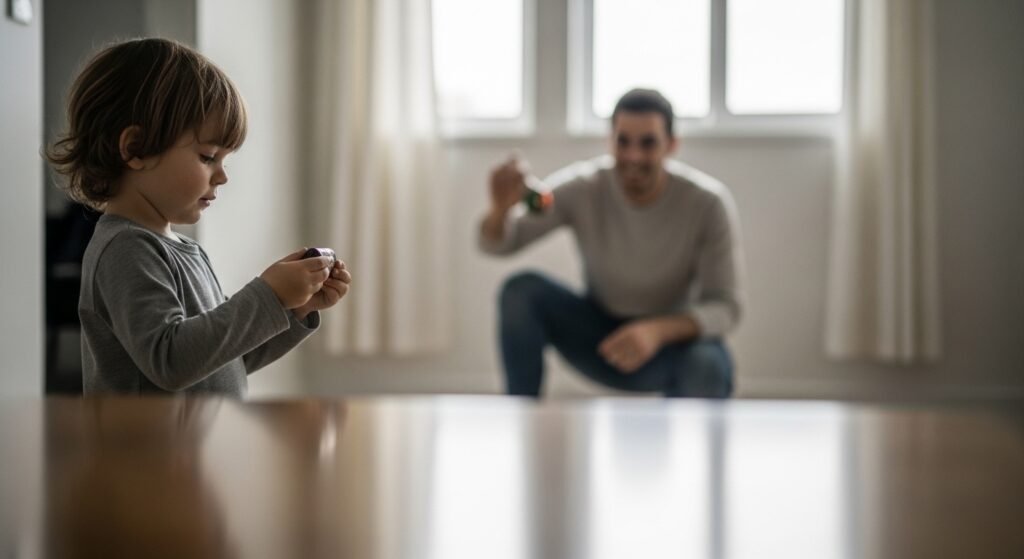
Children can observe the change of promises or rules frequently. Even minor discrepancies are disorienting. They may not challenge it explicitly, but that may affect the way credible situations or expectations appear in the long run.
The way adults deal with other adults
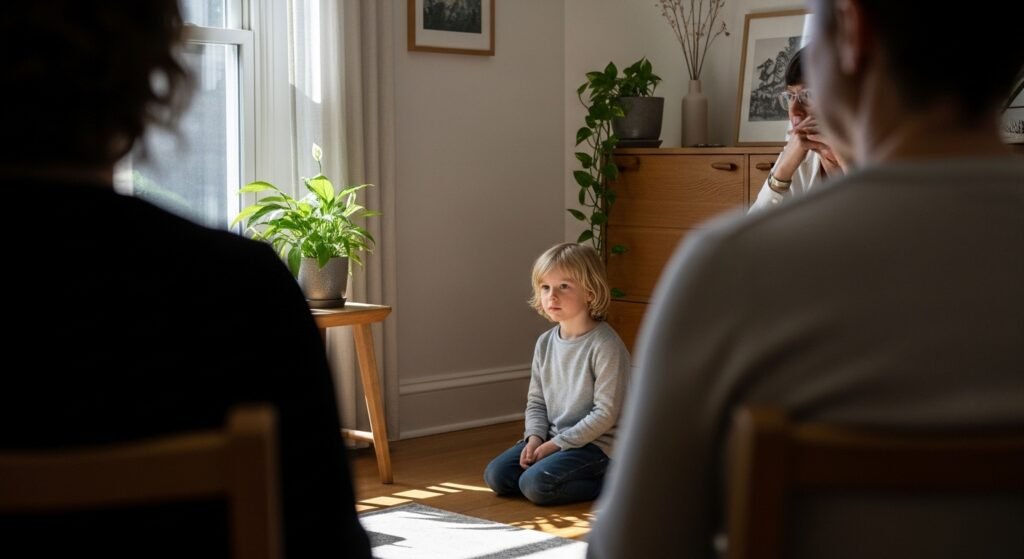
One can notice how adults address shop attendants, neighbors or relatives without speaking loudly. Courtesy, impatience or cordiality could be prominent. Through these interactions, it can imply implicitly what is thought to be normal or acceptable.
Stress that lingers in a room

Children may feel the tension even though they may not have the slightest idea as to the cause. Clipped answers, an uncomfortable silence or a pushed pace can be experienced. The environment itself can tell more than any form of explanation could.
Attention given to phones and screens

Whenever adults are staring at screens, children can memorize the change. It may seem that attention is lost, at least for a moment. Such instances could affect the degree of importance they attach to their presence in common areas.
How often adults listening completely

Children are able to feel when they are listened to or brushed off. No nod or half-hearted response could be memorable. The sense that they are heard could have a subtle implication on their ease in voicing in the future.
Reactions to other kids
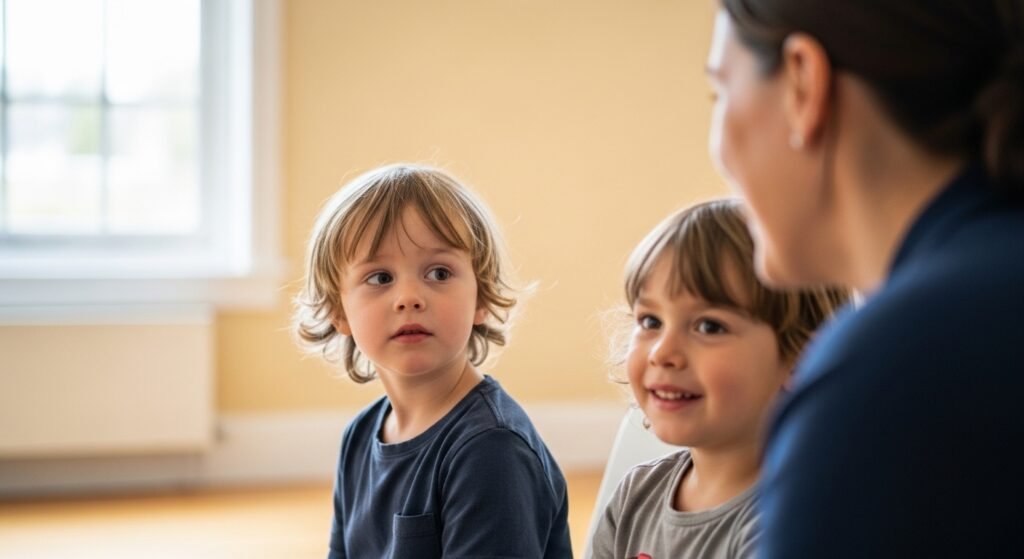
It is possible to note how adults treat children who are not members of the family. Rudeness, impatience, or injustice may be observed. Such experiences might affect children’s anticipated treatment.
Feelings about everyday life
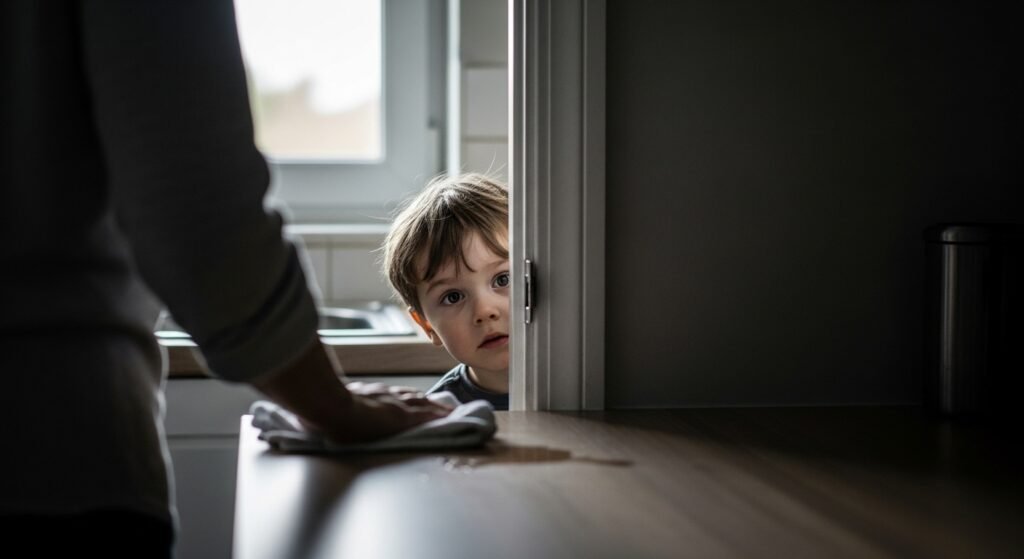
Childish people may pick up on responses, and adults may shrug off minor snags. A traffic sign or a smile of good news can be counted. Such reactions can define the ways that daily ups and downs are perceived.
The difference between public and private behavior
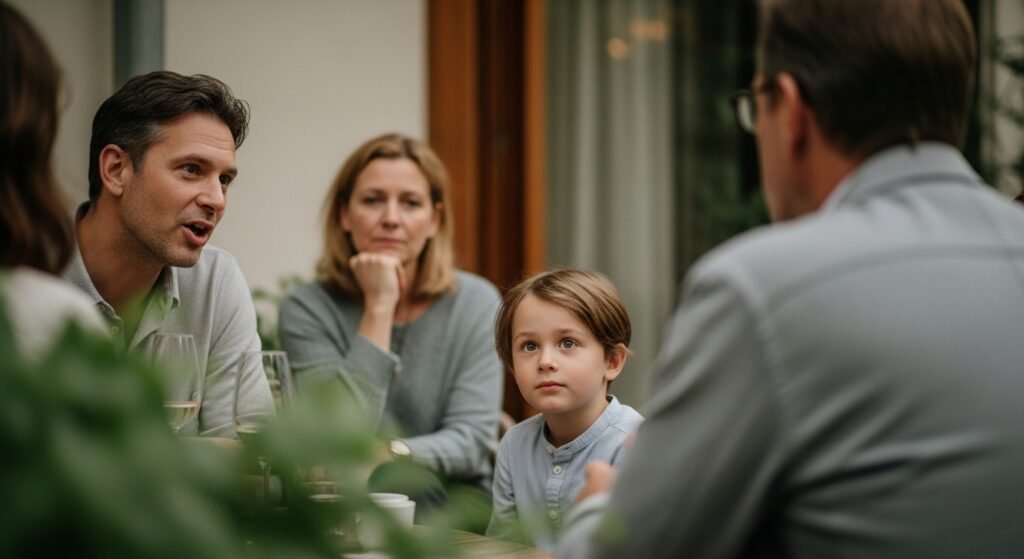
Children can observe behavioral changes in the presence of visitors or in society. The levels of politeness, regulations, or attitudes could change. This opposition may easily cast doubts, though no question may be asked.
How adults talk about themselves
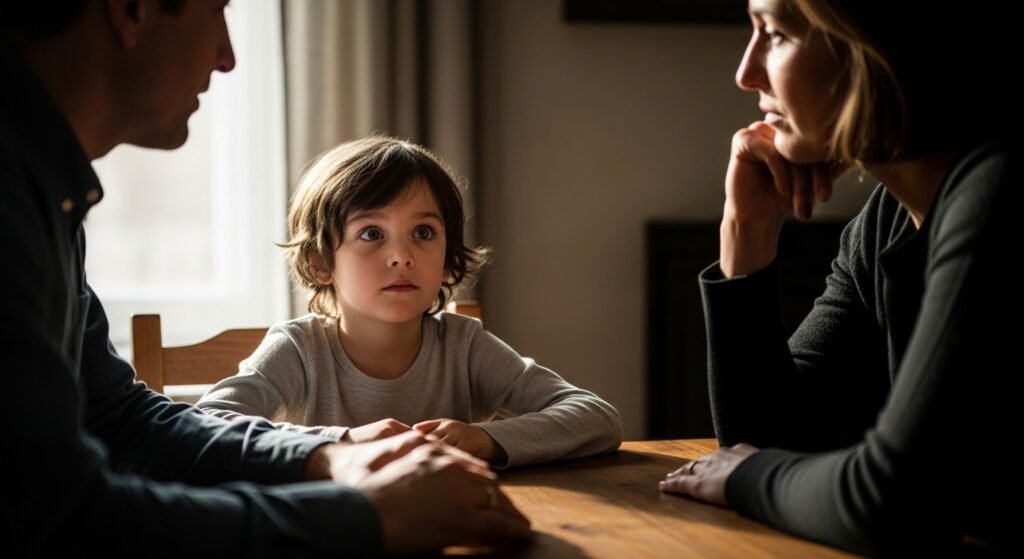
Jokes at the expense of character or simple remarks on capabilities can be observed. Children may interpret such comments literally. It might affect their confidence, thoughts, and self-discussion.
Unspoken family dynamics

Children can feel who drives the discussions or shuns them. These trends are usually repetitive in a quiet manner. Children may learn about such rhythms in familiar spaces without any knowledge of why this should be so.
Reactions to silence
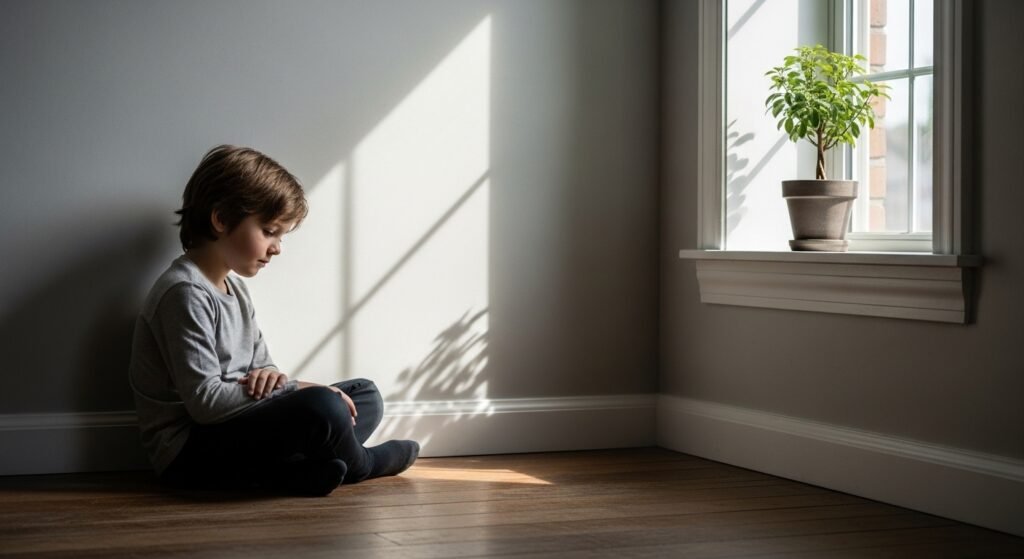
Silent moments may be different for children. Uncumbersome silence or clumsy quietness may be remarkable. Even when nothing is spoken verbally, such pauses may seem meaningful.
