
One of the most common things that a person tends to cook with daily is cooking oil, but very few people ever consider the effects of various oils on long-term health. According to nutritionists, the nature of oil, its processing, and temperature can determine its effects on the body. In summary of American Heart Association and Harvard T.H. Chan School of Public Health research, certain oils can lose a nutrient, oxidize, or have more of the less desirable type of fats when overused. This knowledge of these differences assists individuals in making wiser daily cooking selections.
Trans Fat Oils

Partially hydrogenated oils had been used in packaged foods and baked products. Such oils are filled with artificial trans fats that studies pointed out by the World Health Organization have been associated with heightened risk of heart disease, and so most countries have restricted them to a great extent or even banned them.
Reused Oils

The chemical breakdown of cooking oils, which have been repeatedly heated (particularly during deep frying) is possible. Repeatedly heated oils can form compounds which lower the quality of food as well as influence long-term health according to food safety discussions cited by the American Heart Association.
Refined Seed Oils

Processed foods are highly consumed using highly refined seed oils like soybean or corn oil. According to research discussions by the Harvard T.H. Chan School of Public Health, the diets that are extremely high in refined oils can lead to excess calorie consumption and an imbalance of fatty acids.
Low Smoke Oils

Certain cooking oils possess low smoke points and start disintegrating once they are heated too intensely. According to nutrition experts quoted by the American Heart Association, overheated oils can be oxidized, which alters taste, nutrients and the general health effects of food.
Butter-Flavor Oils

Snacks or microwave food are sometimes made using artificial butter-flavored oils. They are products that usually have additives and processed fats. The researchers cited by the World Health Organization propose the restriction of highly processed fats in daily diets.
Cottonseed Oil
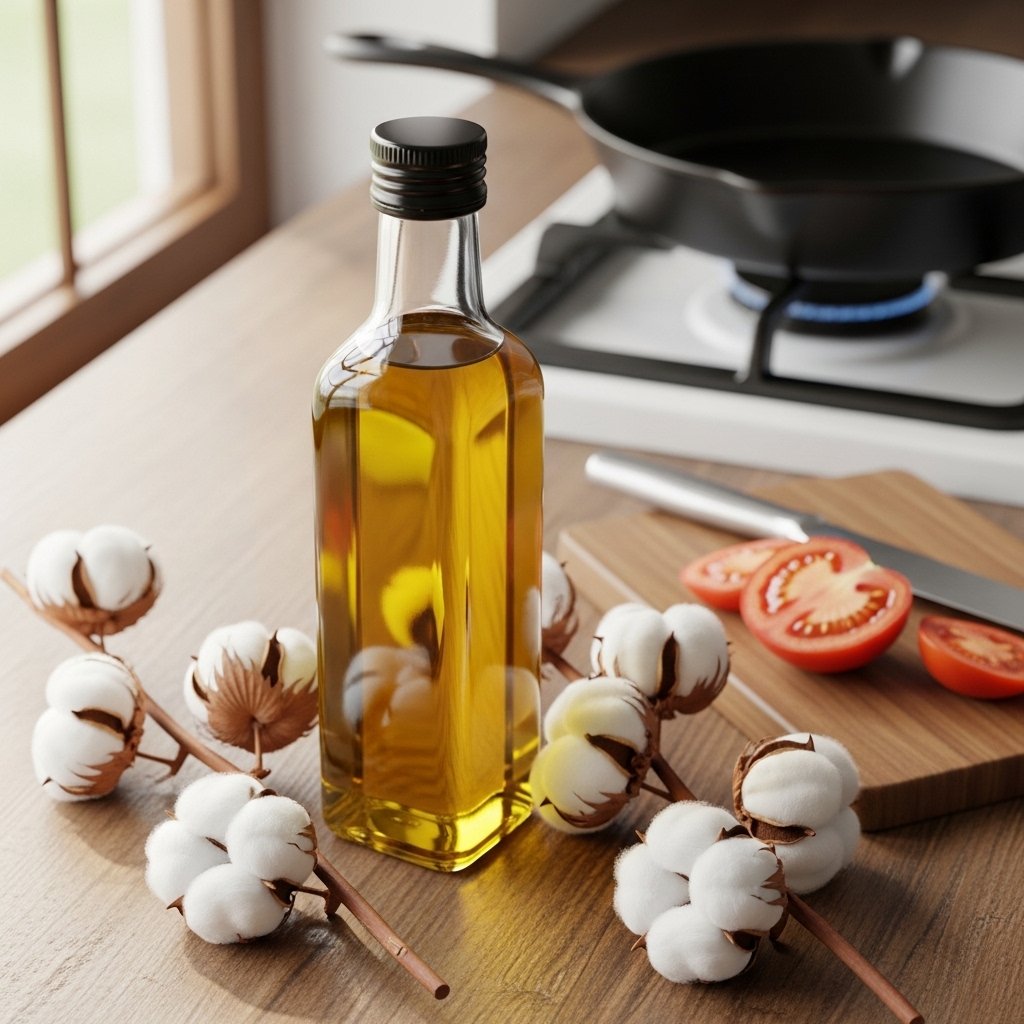
Due to its stability and non-bitter flavor, cottonseed oil is very common in commercial food production. Nevertheless, due to its need for extensive refining, nutritionists of the Harvard T.H. Chan School of Public Health would regularly advise that people restrict the intake of heavily processed oils where feasible.
Palm Oil

Palm oil is commonly applied to packaged food due to its ability to enhance texture and shelf stability. Dietary advice by the American Heart Association reveals that palm oil has more saturated fat than most plant oils.
Vegetable Shortening

Vegetable shortening is widely used in baking since it gives pastries and baked goods a flaky texture. In the past, many of these shortenings were filled with trans fats, and the health experts indicated by the World Health Organization still advise the intake of such fats in limited amounts.
Frying Oil Blends

Most restaurants use mixed oils that are used in high-temperature frying. These mixtures are a mixture of several refined oils. Nutrition literature presented by the Harvard T.H. Chan School of Public Health reports that the consumption of fried foods more often raises the consumption of processed fats.
Oxidized Oils

Long-stored oils, those subjected to heat, air, and light, will oxidize and lose their nutritional value. The authoritative sources cited by the American Heart Association advise on ensuring the proper storage of oils and replacing old bottles on a regular basis to keep the food quality.
