
Smoothies have turned out to be the best and the quickest way to have health benefits, colorful, invigorating, and easy to drink even during the busiest times. However, not every smoothie is a winner when it comes to nutrition despite looking so. The blending of ingredients and the volume of them in your glass determine the true health factor. That’s why we need to take a no-holds-barred look at smoothies and their effects on health: when they are beneficial and when they could be even harmful.
Great way to pack in fruits and veggies
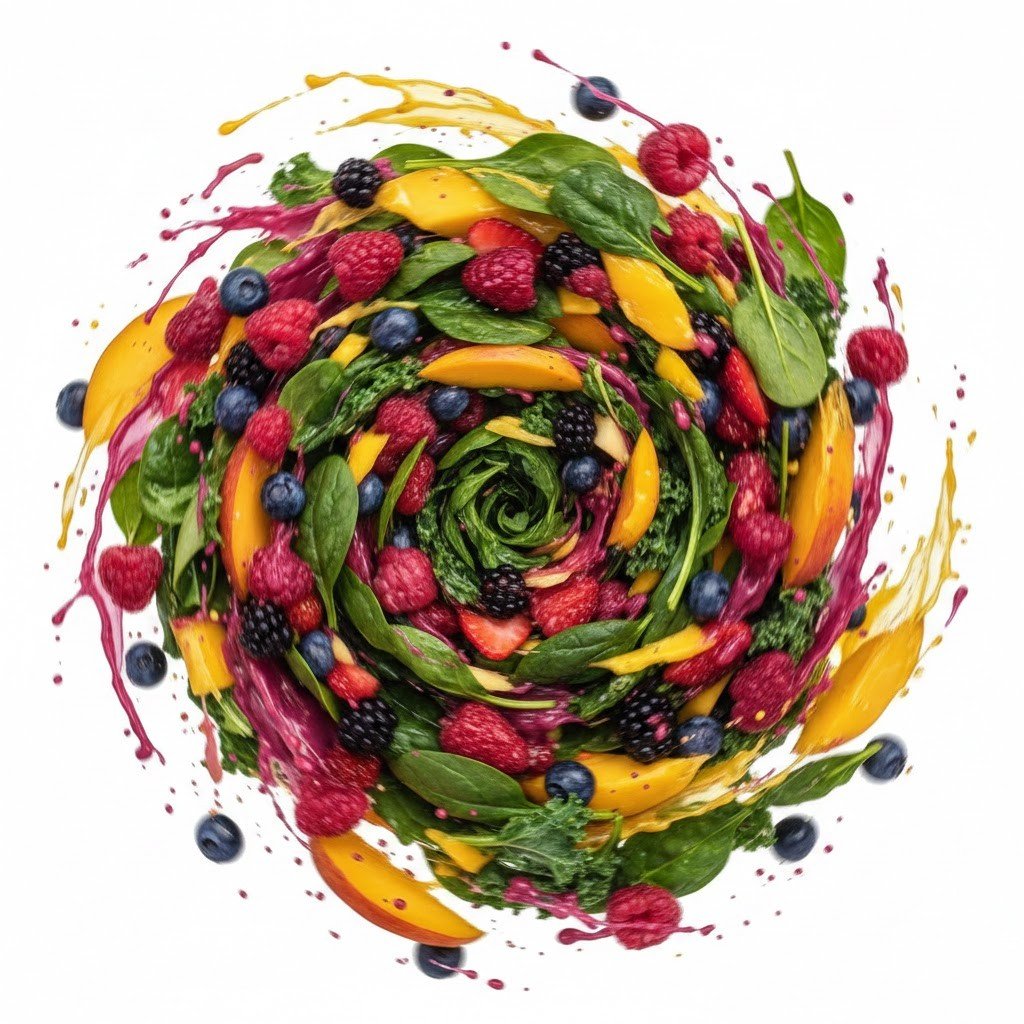
Smoothies are a game changer for getting kids, and adults too, to eat more veggies, fruits, and especially greens like Spinach or Kale that might go unnoticed otherwise. Blending keeps most of the nutrients intact which results in one gulp consumption of vitamins, antioxidants, and minerals.
Can help with hydration and digestion
In the majority of the recipes, the main ingredients are either water, milk, or yogurt, thus there is a direct addition of fluids while at the same time the fiber from the whole ingredients is working towards improving the health of the gut.
Watch the sugar overload
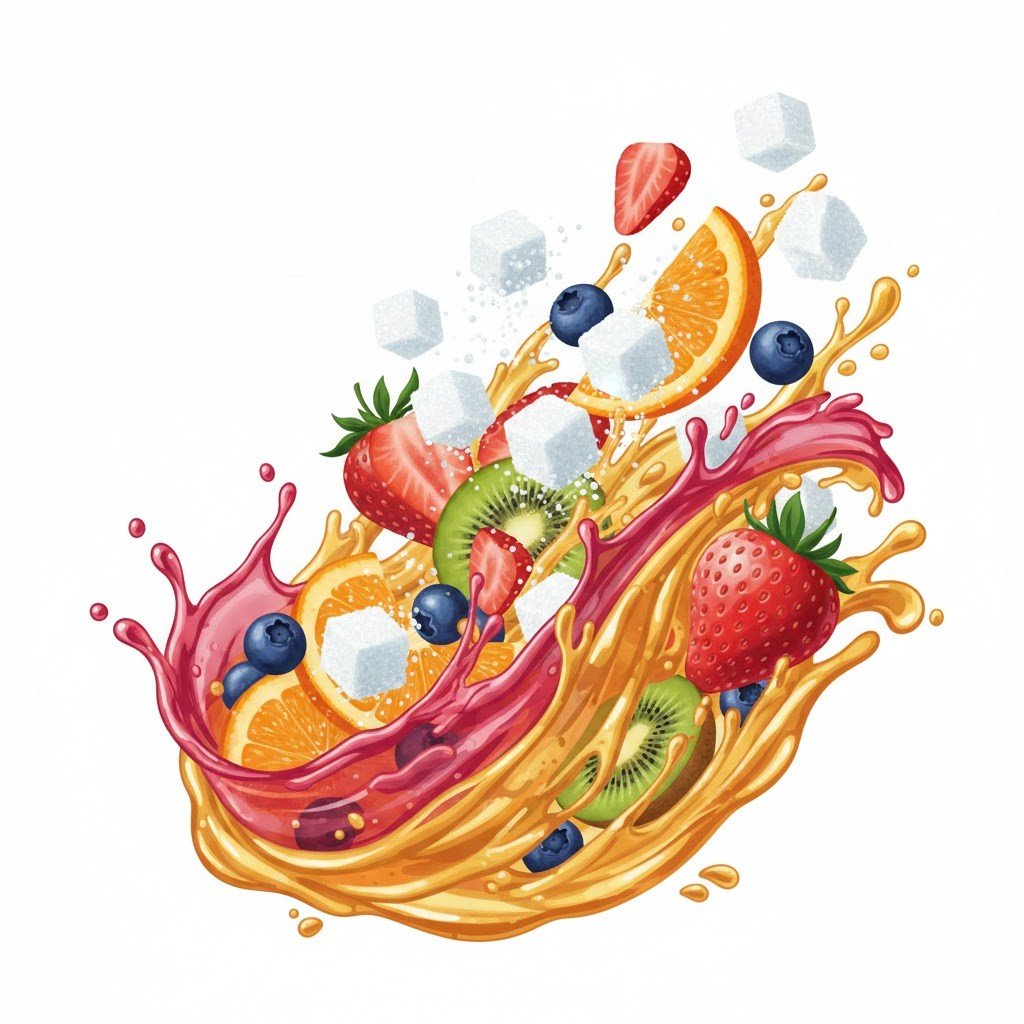
Fruit-based smoothies cause natural sugars to rise quickly as blending eliminates fiber. Adding juice or sweeteners worsens it to the point where it is like drinking candy. Followed are blood sugar crashes, which are not suitable for steady energy or weight goals.
Missing the chew factor
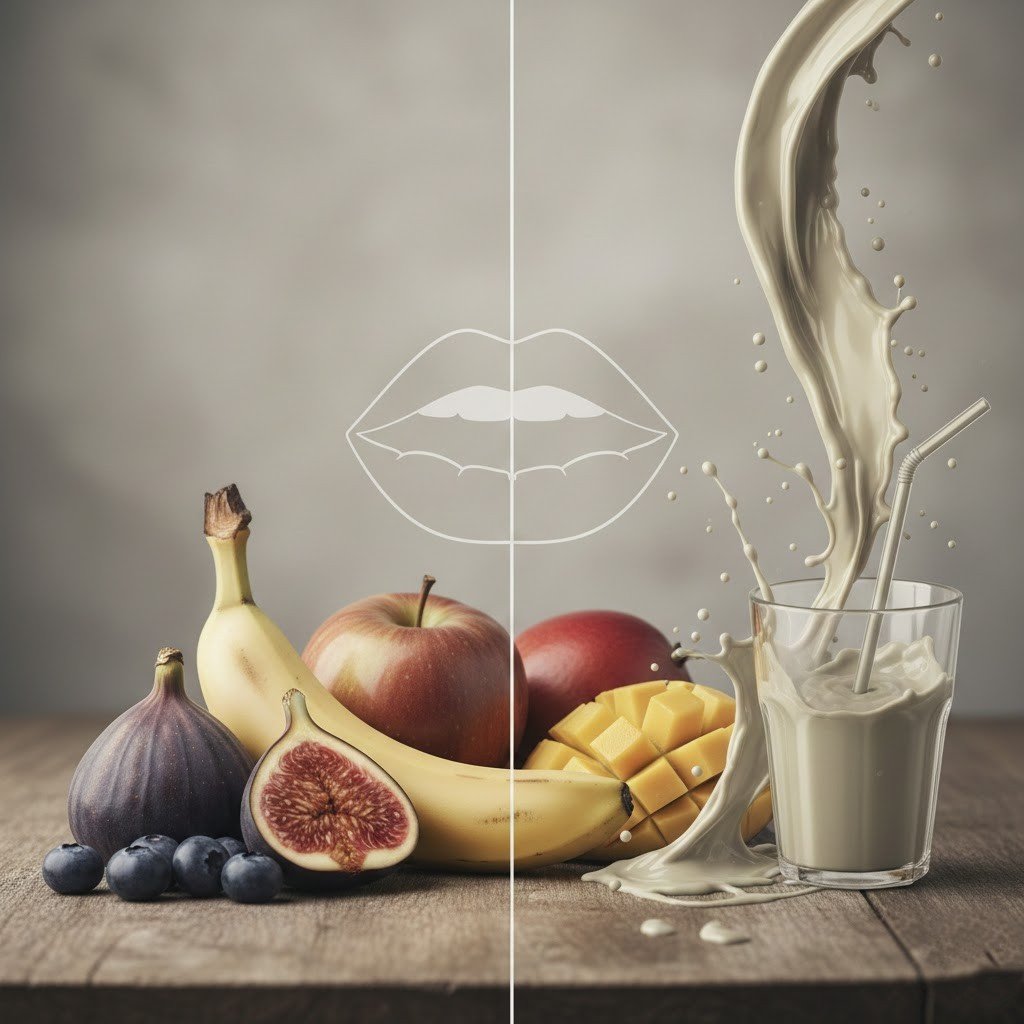
Drinking calories eliminates the pleasure of chewing, which is the way to relay fullness to the brain. Research has come to the conclusion that liquid meals might not be as satisfying, thus resulting in extra snacking later even though the nutrients have been taken in.
Protein keeps them balanced
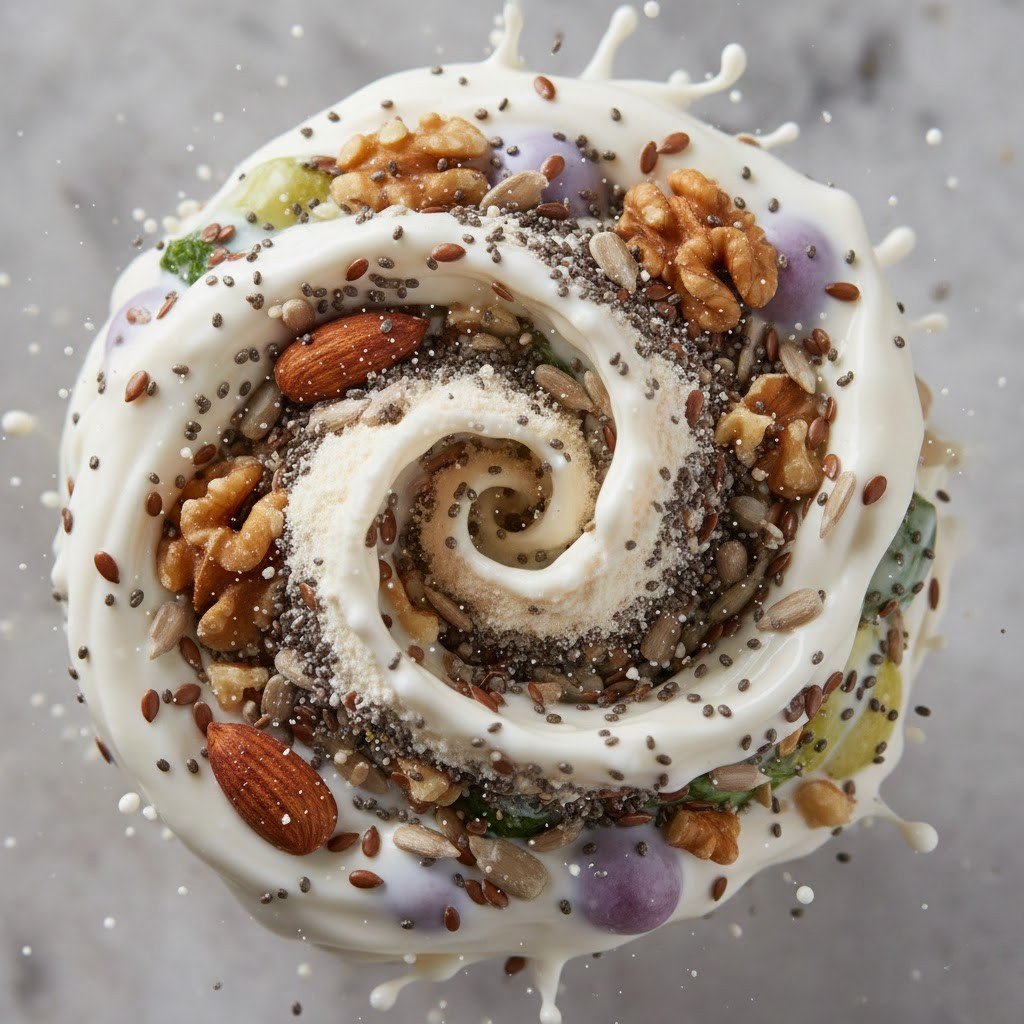
To make a snack into a meal add Greek yogurt, nuts, seeds, or powder. Protein not only slows the absorption of sugar that is why some people consume it at the gym but also it builds muscle. If not, hunger comes back fast.
Fiber gets partially broken down

Blending helps some absorb nutrients better, but it reduces fiber’s fullness effect compared to whole foods. Still decent fiber remains if skins and pulp stay in just not quite like eating an apple.
Customizable for specific needs
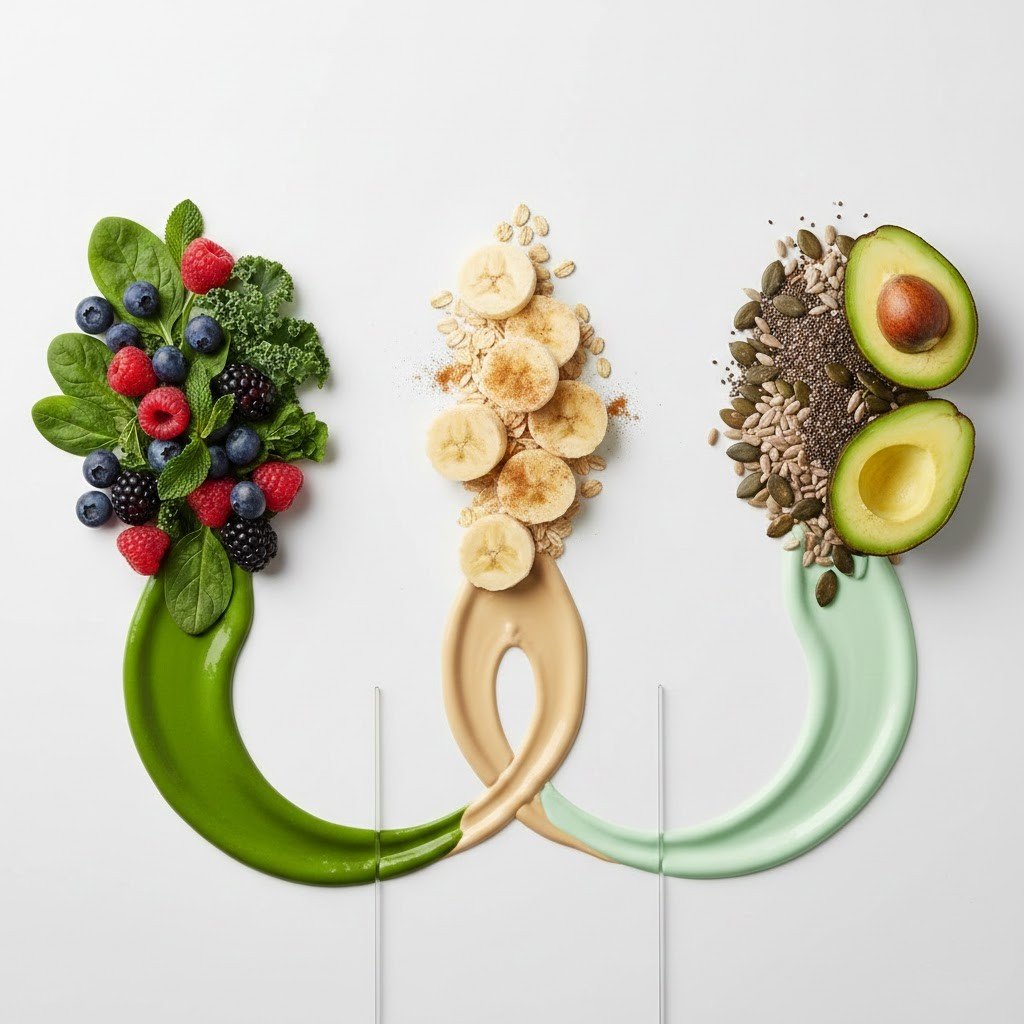
Tailor them for goals: greens and berries for detox vibes, banana and oats for sustained energy, avocado for healthy fats. Great for dietary tweaks, like vegan or low-carb versions.
Portion size matters a lot

Easy to overdo with big blenders, a smoothie can hit 500+ calories fast. Starting small or using as a meal replacement keeps the benefits without excess. Measuring ingredients helps control it.
Overall, homemade is a huge winner
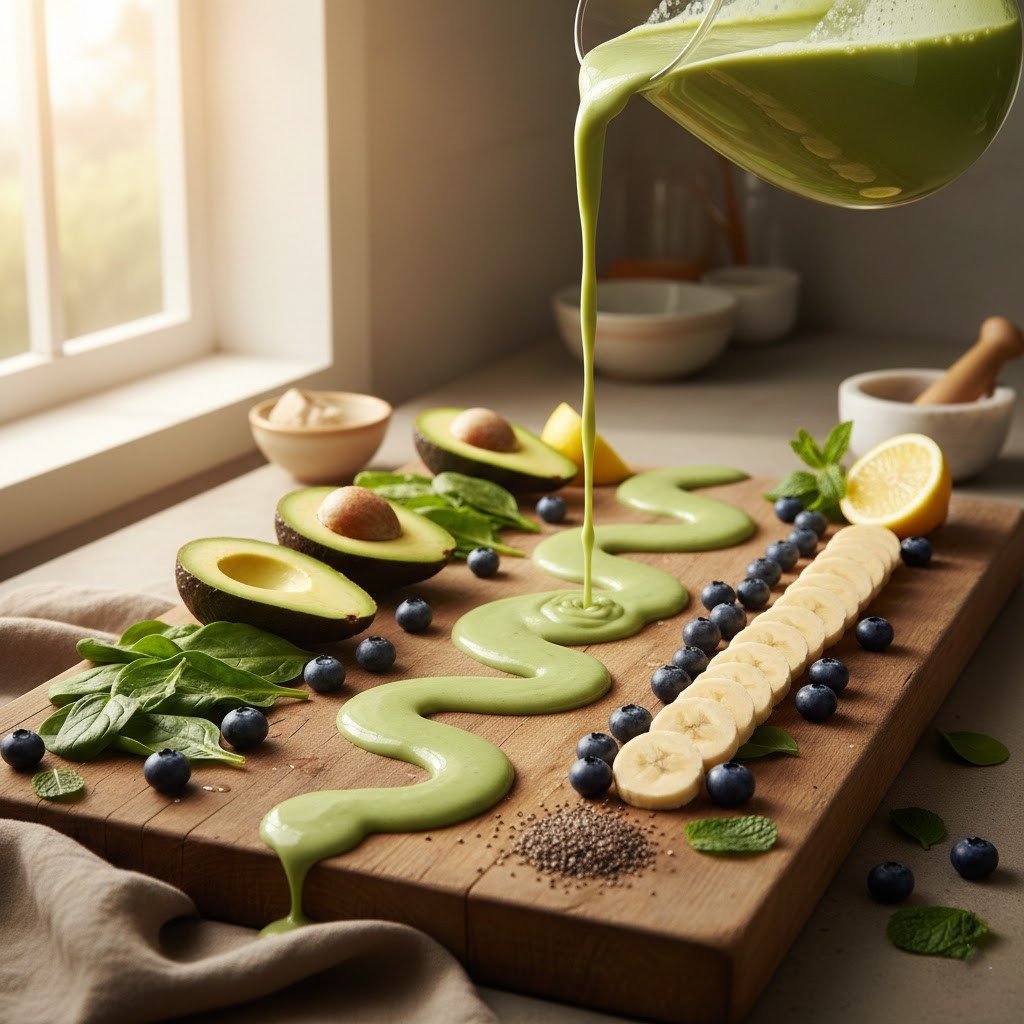
For very healthy and delicious smoothies, they are made from whole foods, use little sugar, and have good balance in macros. They are quite healthy options that give a great convenience in increasing nutrient intake.
