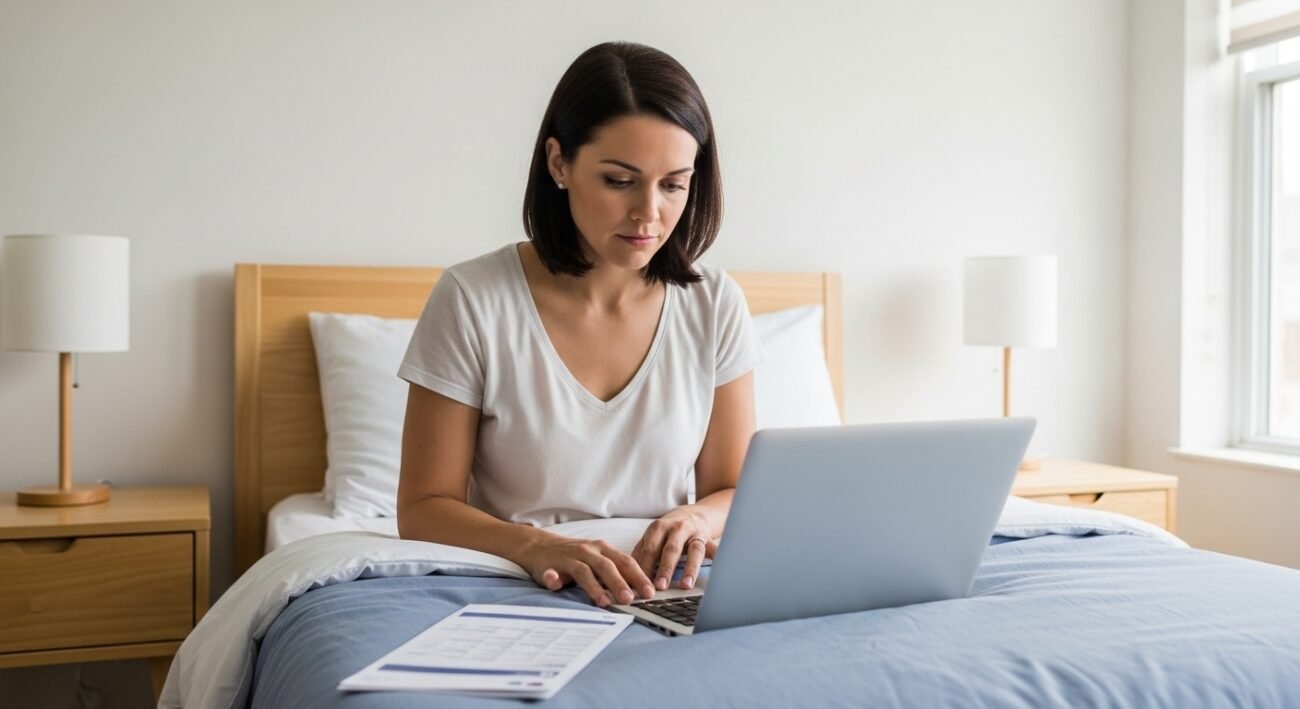
Throughout the United States, a silent paradox is identifying ordinary life: the population can be easily touched at any time, but it is completely worn out. Americans are up early, work hard all day, and retire to their beds with Facebook scrolls in their final hours. There seems to be productivity, and productivity seems to be working well on the surface, but there is an unending undercurrent of fatigue just below the nonstop notifications and economic pressures.
The Grind of the 24/7 Digital Across America
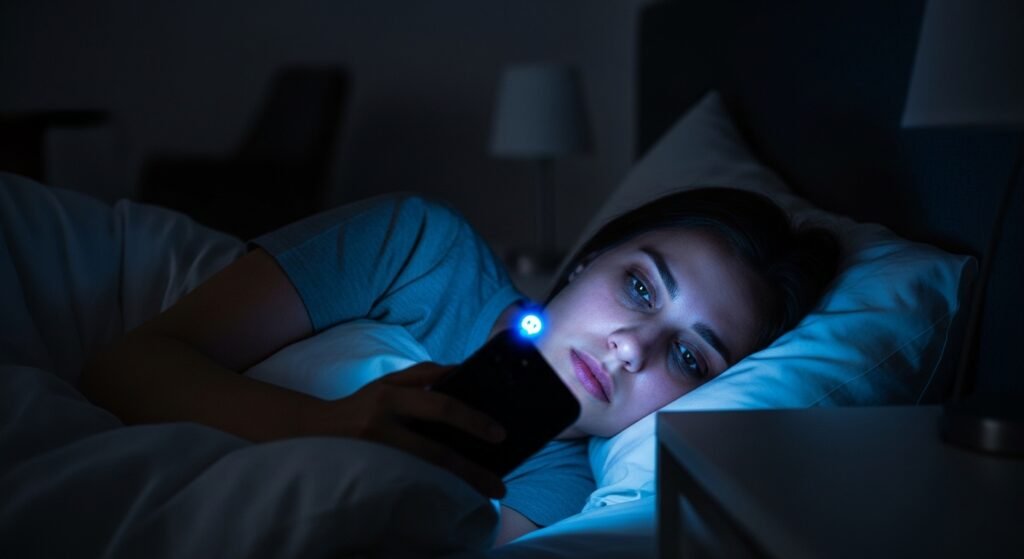
With an era of smartphones, slack, and constant social media resonance, most Americans look at notifications before they even get their feet in bed, and early into the morning, they still scroll, yet the brain has not been able to fully turn off and start its repowering.
The Pressure of Hustle Culture

With a message of never relenting to foster success, both at corporate offices in Chicago and startups in Austin, the narrative that success equals being busy and general disregard of signs of fatigue early in life, all in the name of achievement seem to be very powerful in keeping Americans on their eventual paths of success.
Rising Cost of Living Stress

As house prices surged up in metropolises such as Los Angeles and Miami, and daily costs continue to stretch a paycheck throughout the nation, financial uncertainty puts in place a constant back-stage pressure that offers a continuous drain on the emotional and mental resources.
The News Overload of 24 Hour News

The Americans are flooded with news alerts, political news, podcasts, and streaming services, and as much as being updated on current events seems vital, their minds are overstimulated and exhausted by the constant flood of information.
Sleep Disrupted by Screens
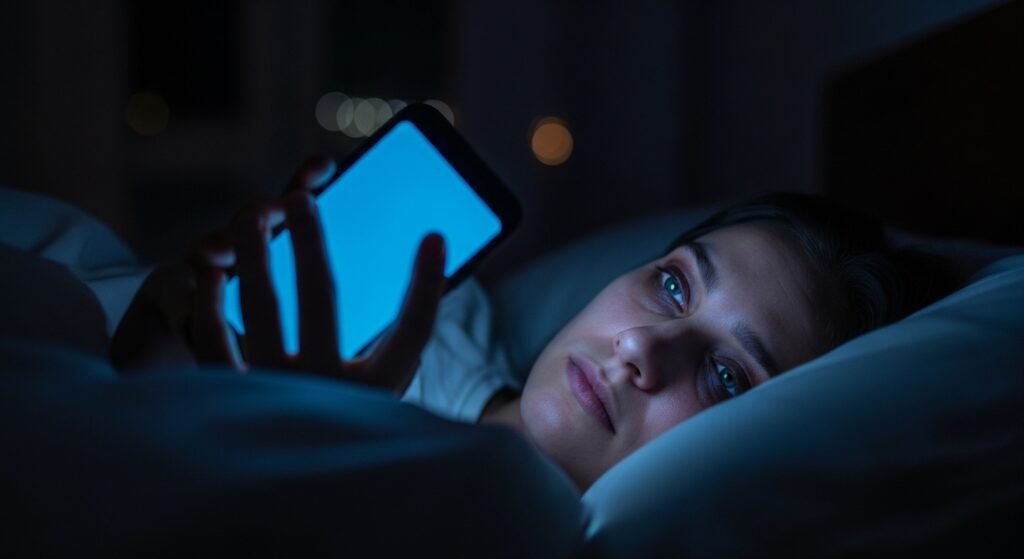
The streaming capability played late at night, endless scrolls, and irregular timetables disrupt natural sleep patterns, making most of the Americans spend enough time in bed, yet they still feel unrestful and foggy when they get up.
Unclear Borders with Remote Work

Due to remote and hybrid work spreading in the U.S., the dining tables have often become desks, and it is more difficult to mentally check out, which leads to the feeling that the time is within the call even when resting.
Social Comparison during the Age of Influencers

The well-crafted lifestyles presented on the internet may impose a sort of covert pressure to achieve certain milestones at the career or fitness, thus leaving many Americans feeling pushed behind even as they work harder than ever.
Sedentary Daily Routines
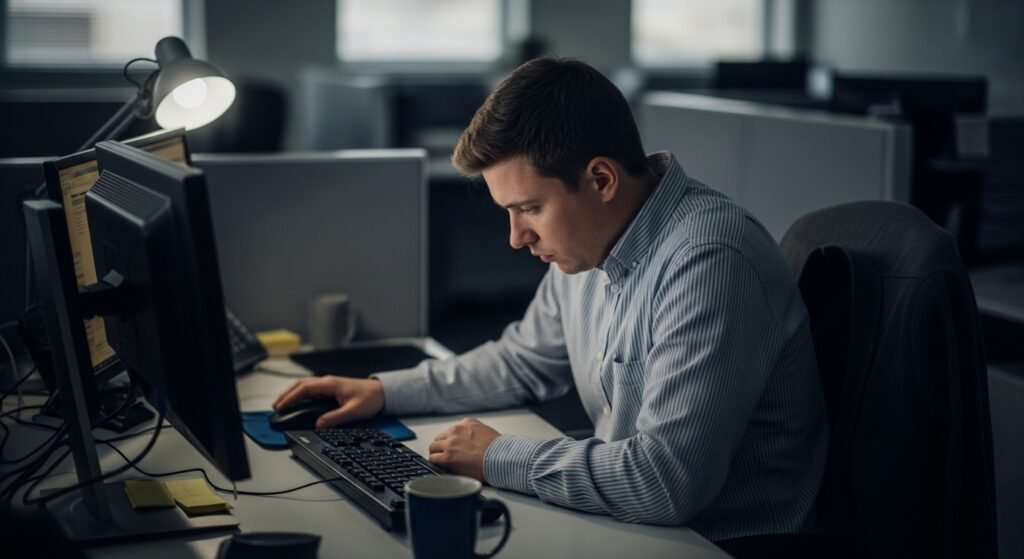
The stress can be overcome by the long travel, sitting in offices, and staring at displays, thereby not allowing natural movement, hence decreasing the energy level, which adds to the feeling of sleepiness and, at the same time, insomnia.
The Multitasking Trap

Self-varying in comparing between emails, meetings, texts, and side tasks can be productive, but studies indicate that this type of attention disjoints and puts a lot of cognitive stress on the body, leaving Americans exhausted by the end of the day without any real feeling of achievement.
