
Children act as inherent observers, learning the actions, habits, and attitudes of the adults surrounding them more than the severity has been preached. Whereas the adults usually stress the instructions and rules, children pay more attention to body language, actions, and responses. This is a nuanced type of learning that forms their personalities, emotional instability, and interpersonal skills. The knowledge of what children observe can be utilized so that adults can follow the positive behavior consciously and develop healthy role models.
Emotional Regulation
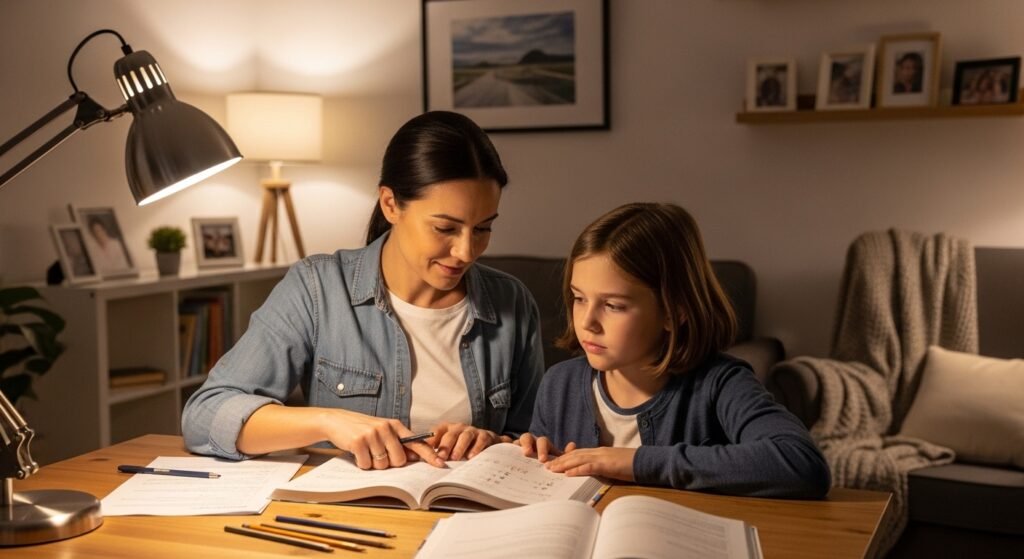
Children observe the way adults react to frustration, anger, or disappointment. When a parent is able to resolve conflict or show emotions in a calm and constructive manner, the kids will learn self-control and emotional intelligence. On the other hand, it is continual yelling or impatience that teaches them to respond impulsively or violently, and they tend to repeat the behavior in societal settings.
Problem-Solving Skills

Observing the way adults solve problems, be it mending something in the house or bargaining in the workplace, educates children practically. They are taught to tackle hardships in a creative manner, to be patient and resilient, as opposed to succumbing to them. Just think before acting; the deed speaks louder than words.
Social Interactions

Children note the ways adults treat other people- politeness, empathy, and respect become examples of how the children should act in their lives. Good actions such as welcoming neighbors, appreciating others, and listening to others are learned silently, and this determines how they handle in schools and play. The harmful interactions, gossiping, and rudeness can also have the same effect.
Work Ethic

The qualities that children observe in adults are consistency, responsibility, and dedication. They absorb the aspect of commitment, whether in house cleaning, career, or volunteering. It will be ineffective to just explain to children that they should work hard and learn from an example in everyday life.
Healthy Habits

Children acquire a habit of brushing teeth and exercising or eating healthy food by observing others. Children are encouraged by adults with health-related priorities to follow the same habits. On the other hand, regular junk food intake or lack of exercise usually gets into the mind of the child.
Handling Stress

How adults handle stress imparts lessons to children on how to cope. Problem-focused coping occurs when one can calmly handle deadlines or conflicts, or handle financial pressures calmly. Adults who, on the contrary, go overboard in their venture or shun trouble will, conversely, teach maladaptive stress reactions.
Conflict Resolution

Children acquire the process of negotiation, compromise, and forgiveness through observing the ways adults solve their differences. When the adults manage conflicts peacefully, concede their errors, and find solutions, then the children will copy the same in their peer relationships and sibling relationships, and encourage greater interpersonal skills.
Financial Attitudes

The financial attitude of adults is a gentle way of inculcating a financial attitude in children. All these activities of watching the budget, saving, and wise spending inculcate responsibility. Stress or materialism can, on the other hand, be passed through impulsive buying or unending financial insecurity. Lifetime money habits are best influenced by actions, and not by lectures.
Self-Care and Boundaries
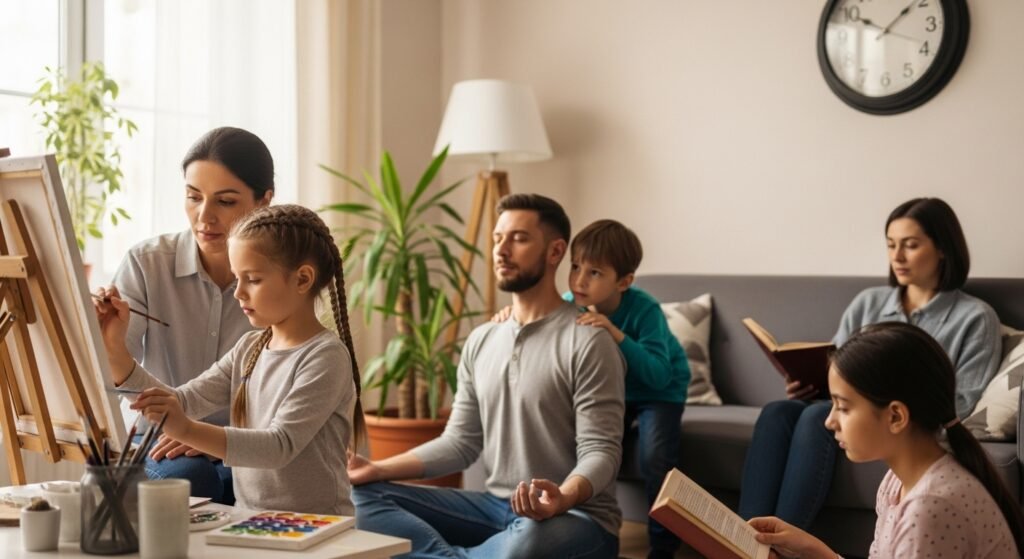
Children observe adults to establish boundaries, to control personal time, and to take care of themselves. Focus on rest, hobbies, and mental health is what preaches to kids that there should be a balance and self-esteem, even when these values are not pronounced by adults.
Integrity and Ethics

The children gain knowledge of honesty, fairness, and integrity by monitoring the decisions and actions of the adults. Honoring commitments, confessing, and accountability are internalized values. Actions are louder than words, and it is very important that role modeling is necessary to reinforce morality.
