
Nowadays people neglect walking in favor of severe exercises, yet it is one of the simplest and most efficient types of exercise. It does not take any equipment, no membership, and minimum experience but its benefits are supported by a great amount of research. Since it supports heart health to help in the constant fat loss, walking does not disappoint when incorporated into a regular exercise routine. These are ten research-supported reasons why walking should receive much additional credit as an effective way to stay fit and lose weight.
Burns Fat on a regular basis

Walking does not sound intense, yet it involves an adequate amount of calorie burning. An average individual of 70kg can lose approximately 140-200 calories in a 30-minute vigorous walk, based on the speed. This continuous burning of the calories eventually leads to weight loss over the weeks and months, particularly when this is accompanied with mindful eating. Consistency is a more important component of long-term weight loss than intensive exercise.
Promotes the use of Fat as a source of fuel

Such moderate-intensity exercises as brisk walking demand more fat metabolism than high-intensity activities, which utilize more carbohydrates. Although the overall calorie balance is the final and conclusive determinant of weight loss, the ability of walking to use fat as a form of energy makes it an effective and viable fat-burning activity to most individuals.
Enhances Insulin Sensitivity

People have been able to use walking after meals to regulate the level of blood sugar. Even a 10-15 minute walk is able to enhance insulin and decrease glucose spikes. A better level of glycemic regulation would help eliminate fat storage and healthier metabolism in the long run, which improves weight control.
Slows Stress-related Gain of Weight

Stressful events are chronic and lead to the increase of cortisol, which is a hormone associated with the accumulation of abdominal fats. Since walking is certain to be taken outdoors, it reduces stress hormones and makes one feel relaxed. Exercise has been found to lessen anxiety, and elevate mood, all of which could work to ward off emotional eating and produce gained weight through stress.
Growth of Muscle whilst losing Fat
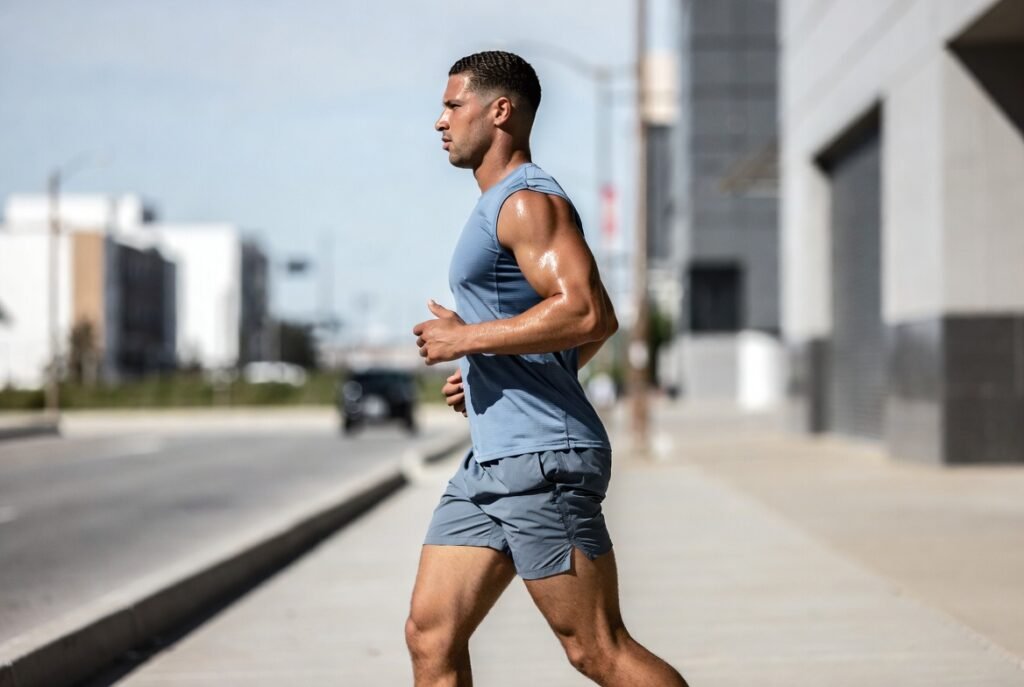
Severe loss of calories without exercise may result in weight loss. An aerobic activity such as walking keeps us lean and fat loss occurs. It is worth preserving muscle as it helps to maintain muscle tissue which has a higher resting metabolic rate; that is, your body is more active, indeed, more active at rest.
Supports Heart Health

Vigorous exercise of the heart and better circulation. Studies also have a consistent point that constant walking reduces blood pressure levels, lowers LDL or bad cholesterol and increases the endscore of the cardiovascular system. With a healthier heart, the general fitness of the body increases as you can be active for a more extended time and burn more calories without posing risks to their health.
Easy to Sustain Long-Term

Workouts which are of high intensity may result in burnout or injury. However, walking is nonburning and gentle on joints. Since it is more convenient to use, individuals tend to be more committed to it. One of the best predictors in successful weight loss and maintenance is long term adherence.
Boosts Daily Movement (NEAT)

Non-Exercise Activity Thermogenesis (NEAT) is a term that is used to refer to calories that are associated with daily activity. Walking enhances total daily activity levels, which is greatly increasing the amount of calories burned. Everyday activities, such as using the stairs or walking on the phone can contribute significantly to the amount of energy used without extra exercise.
Improves Cognitional Ability and Stimulation

Exercise triggers endorphins and it enhances intellectual capacity. It has been noted that walking has been associated with improved creativity and acuity in thinking. Mentally glad and positive people will choose healthier food and lifestyle choices; indirectly contributing to weight loss.
Adaptable for Progression

A walk is easily intensified. Hiking, increasing speed, adding up-hills, increasing length of time, and carrying a light load can boost calorie expenditure. The moderate-intensity exercise is what is characterized by a brisk walking about 5-6 km/h. The part of gradual progression maintains the body challenged and does not allow any weight-loss plateaus.
