
Some folks put off seeing a doctor, especially if something seems off. Though routine visits might stop problems before they grow, real-world hurdles get in the way – time, money, fear, or just not knowing what to expect. Studies backed by groups such as the WHO and CDC confirm these are frequent obstacles, not rare exceptions. It’s usually more complex than just caring, psychological, emotional and financial reasons are a few to name. People skip doctor visits for ten clear reasons.
Cost Concerns

When costs like high consultation fees pile up – alongside expensive tests and meds – it often deters visits. For those without insurance or facing steep personal bills, the barrier grows heavier. Even insured patients delay care because of surprise bills or lost wages from taking time off work.
Lack of Health Insurance

Although good health and regular health check-ups seem to be a part of a health regime, sometimes visiting a doctor can cost you a fortune. When health systems cover everyone, people without coverage often avoid checkups because they fear high bills that can drain them.
Fear of diagnosis

Fear of learning what’s wrong keeps certain people away from medical care. Avoidance feels safer than confirmation. When something feels off but won’t go away, delay often follows, driven by worry about how severe it might be. Fear of bad news or something that can change life forces avoiding clinics.
Busy Schedules

When life gets busy – juggling jobs, looking after loved ones, spending long stretches at work – it often goes without saying, but fitting doctor visits into regular schedules, that part tends to slip right through the cracks. Visiting a doctor, unless something very serious comes up, seems to be a luxury during those busy schedules.
Long Waiting Times
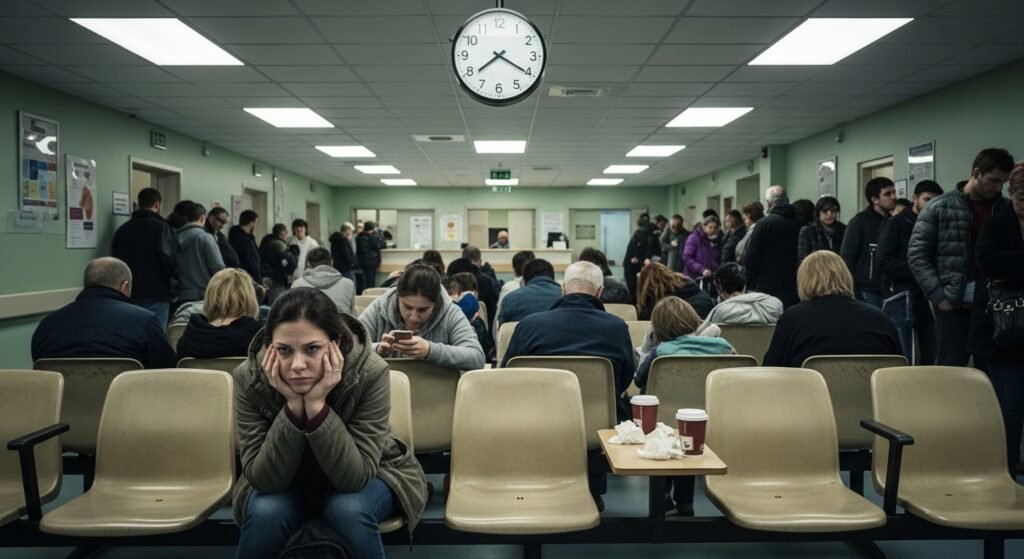
Waiting too much becomes common, where people go long lines or hours stuck in halls. That hassle makes checking in regularly feel like work. Preventive care often gets pushed to the bottom of the priority list when you have other things to handle like child care responsibilities.
Previous Negative Experiences

When people face moments like being ignored, not heard, or pushed too fast during medical visits, it often chips away at confidence. Coming back might seem less likely after those kinds of experiences. Lack of explanation before procedures and rough examinations creates medical anxiety resulting in avoidance.
Belief symptoms will go away

When small signs show up, some believe they’ll go away on their own. Watching without acting might miss chances to catch problems before they worsen. Sometimes believing illness to be stress, fatigue, or probably something not so serious causes neglect and delay in clinic visits.
Limited Access to Healthcare Facilities

People in rural areas or poor city neighbourhoods often lack access to enough clinics or skilled doctors, meaning trips can be far and time-consuming. Appointments may be scheduled to week, especially if you want a specialist. Technology gaps also act a barrier.
Cultural or Social Stigma

Some people avoid asking for support when dealing with certain health problems. In many groups, there is pressure to stay quiet about such struggles. When your health issues make your uncomfortable, like those of mental, weight management, dysfunctional or reproductive, shame delays care.
Reliance on Self-Diagnosis

When health details are just a click away, some individuals start guessing their own diagnosis without seeing a doctor first. Why waste money and time when you can treat a fever by just popping a paracetamol or a spray can cure the sprain.
