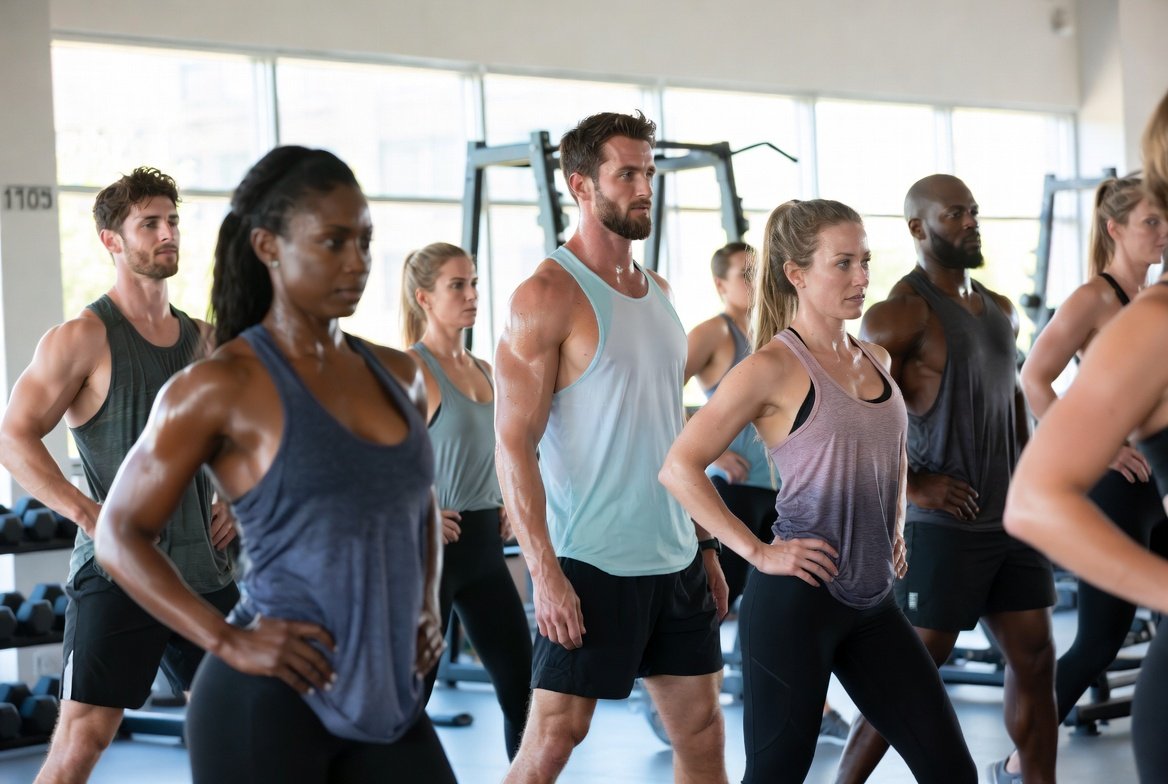
A workout is usually accompanied by a combination of inspiration, disorientation, and self-doubt. Advice pops up in all places and even appears so sure despite missing certain critical contextual information. Gradually, the concepts may subtly influence expectations, tradition, and even assurance. The movement-related, research-based conversations are often less rigid than one might initially think, with the opportunity to accommodate body, schedule, and goal variations. Many commonly shared beliefs could be based on simplified interpretations rather than a full understanding. By putting a more relaxed perspective on these falsehoods, one can be far less scared away by exercise and begin to approach it with less fear. It is not meant to substitute one rule with another, but rather to provide space through which curiosity, balance, and realistic habits that fit our daily lives could be created.
Cardio is the best way to lose weight
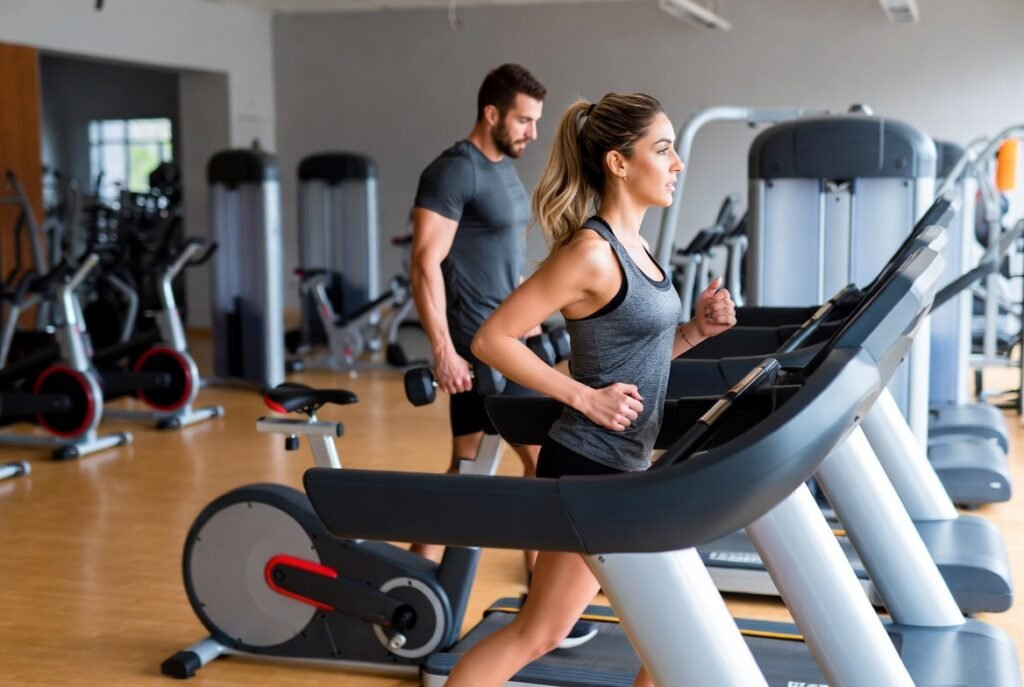
Cardio is also commonly considered to be the primary choice for weight change. It is also sometimes mentioned that various types of movement, such as strength-based activities, might also be a part of the research, depending on lifestyle, nutrition, and personal factors.
You need long workouts for results

Missing exercises can be the wrong thing to do. Some of the notable research in their discussions states that rest can help in recovery and adaptation, which gives the body time to positively respond, particularly when exercising is performed regularly over a period of time.
You must work out every day
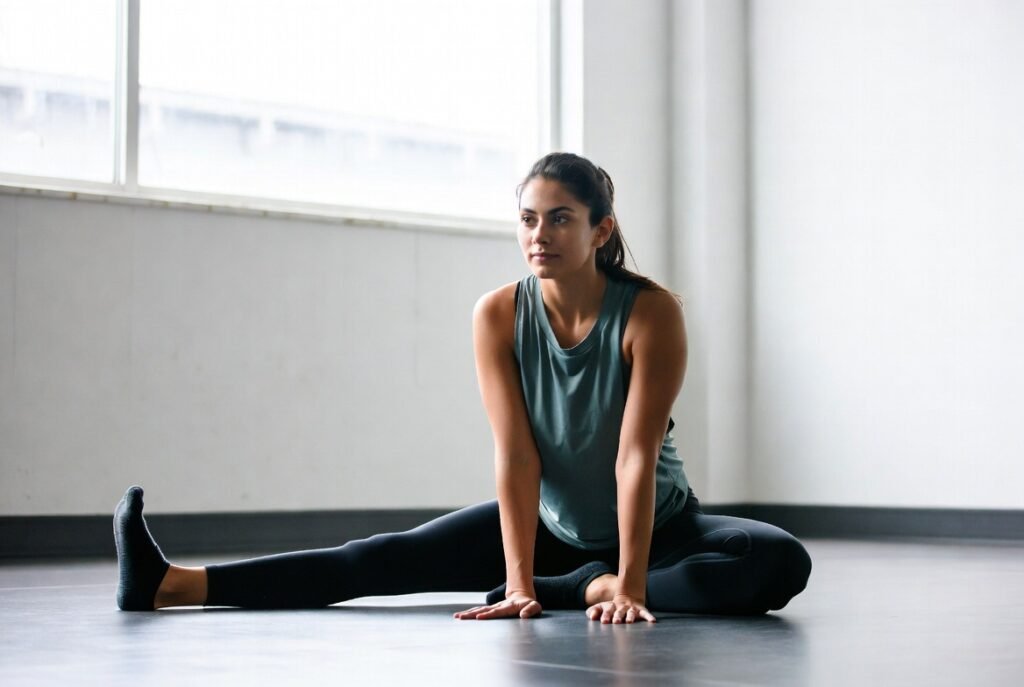
Exercising is a common practice that is praised as being ideal. Research-based opinions occasionally indicate that frequency may change, and balanced schedules with rest may be more sustaining than daily expectations that are strained.
Stretching prevents all injuries
Stretching is usually considered protective. In some discussions of science, it is noted that flexibility work can assist in soothing and movement, but injury prevention can be a combination of different factors, such as strength, awareness, and gradual progression.
Exercise cancels out sitting all day

Exercise is usually regarded as a solution to sitting. There is a tendency to discuss research where it is sometimes said that exercise does help, but it is also possible that frequent movement during the day can be a significant factor in comfort and health.
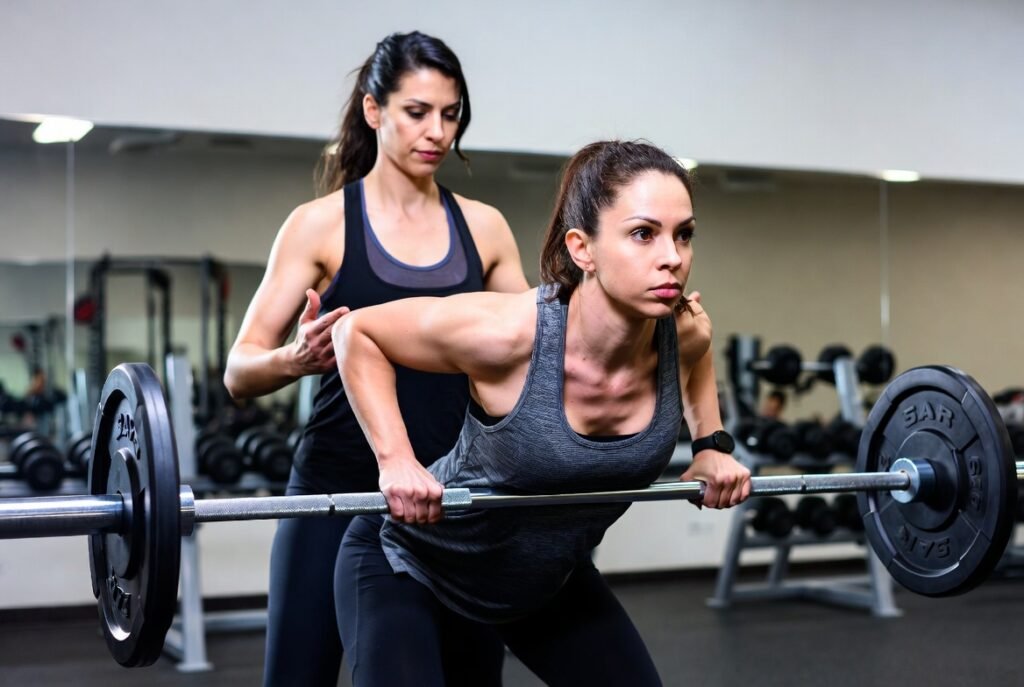
Machines are safer than free weights
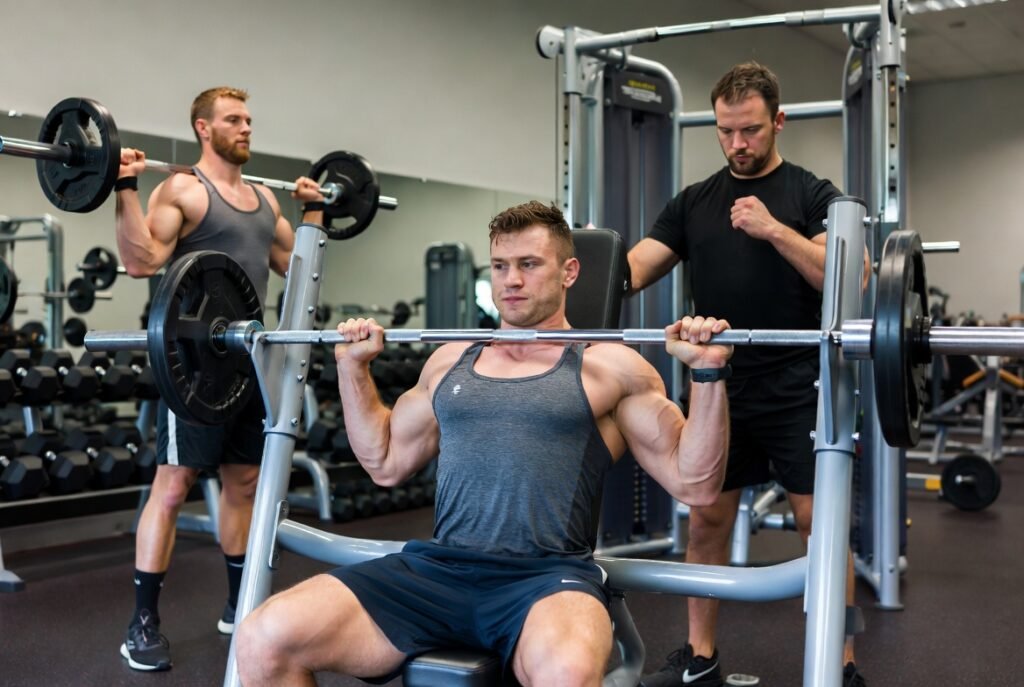
Gym machines may be comforting. Scientific perspectives tend to imply that safety is more about technique, choice of loads, and supervision than about the type of equipment, so either can be the right choice in various contexts.
Older adults should avoid challenging exercise
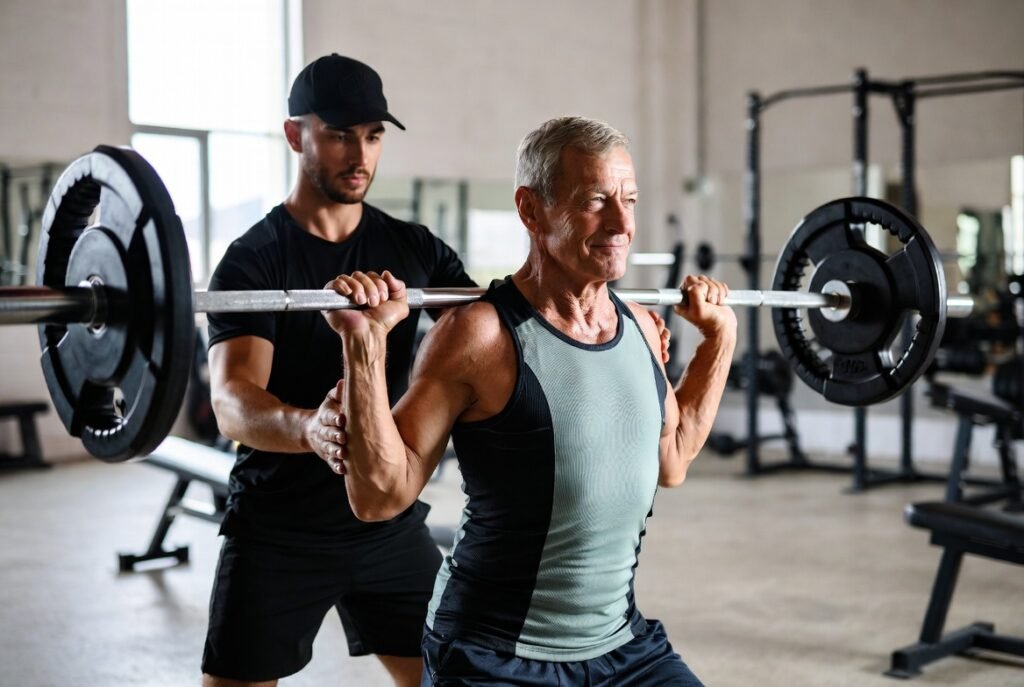
Sometimes, age is considered a constraint. The view that research can take tends to permit the possibility that the optimal level of exercise could help in sustaining strength and confidence in various phases of life, under the supervision and manipulation of exercise, when regulated and considered critically.
Morning workouts are always better

The praise is usually given to early exercise. Scientific discussions tend to accommodate the individual rhythms, and it may be the case that whatever should occur at the time of choice would be more crucial than the clock.
You need special gear to work out properly
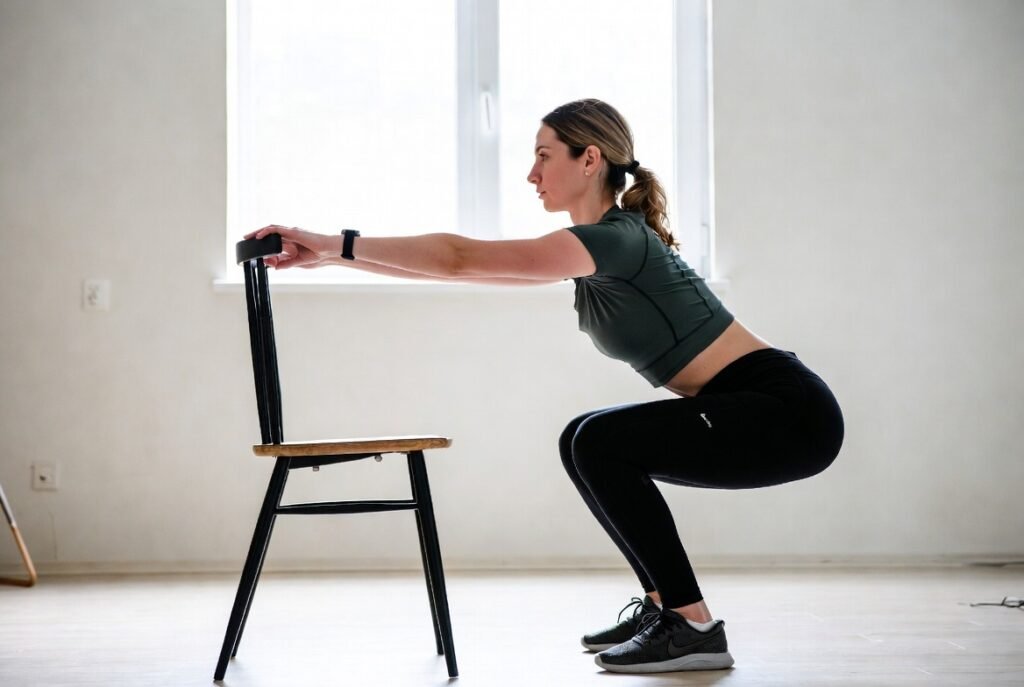
Fitness marketing can render the equipment necessary. It has been discussed in research that simple movement, whether with her body weight or more common tools like a chair, might still have something to provide without the complex installations.
If results are slow, it is not working

It is expected that improvement will be noticed soon. Scientific views often mention that the changes can be either slight or slow and that the positive effects, such as energy, mood, or strength, might be experienced prior to apparent physical changes.
