Self-checkout lanes have been around for years, but a surprising number of shoppers still avoid them completely — even when the regular lines are long. Grocery workers, retail psychologists, and everyday observers have noticed that people who consistently refuse self-checkout tend to share a handful of common personality traits and habits. Here are 7 traits that commonly show up among people who always head to the cashier instead of the self-scan machines.
They Value Human Interaction
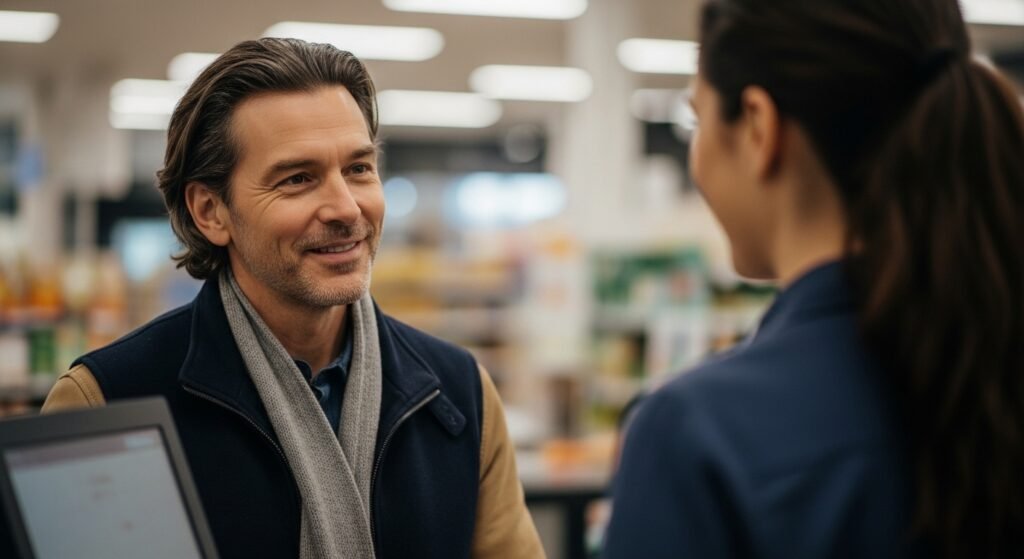
Some find those brief talks with cashiers familiar, almost routine. Instead of quiet scans, they like receiving a simple “have a good day” or catching a brief grin. When no one responds at self-service lanes, it hits different – distant, even chilly.
They Don’t Trust Technology (or Themselves With It)
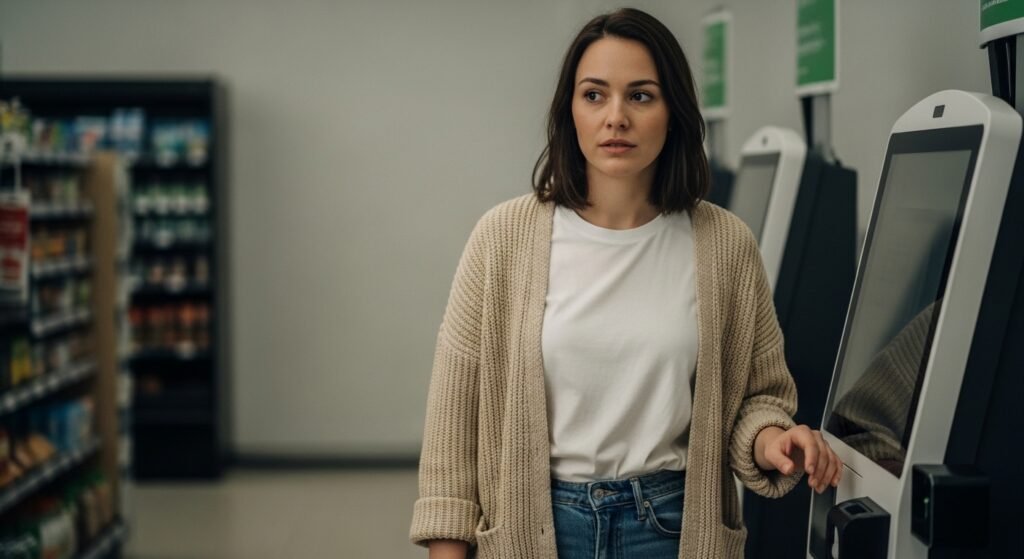
Worries pop up for real – some fear they’ll screw things up on the machine: scanning the incorrect product, skipping weight checks for fruits and veggies, or setting off that annoying “unknown product” alert. Facing possible awkwardness or extra work feels less scary than stepping into it. Then there’s the crowd skeptical about whether these gadgets actually work right – no hidden fees, no forgotten promo codes.
They Enjoy the Ritual of the Checkout Line
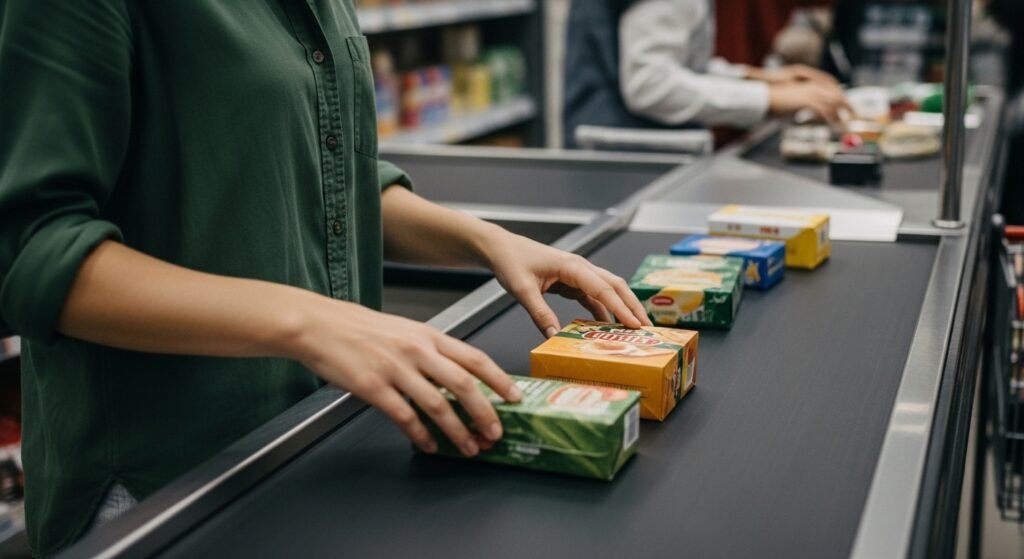
Something about the routine sits right – putting things on the belt, seeing them zip across the screen, folding them into a set pattern. A few people treat it like quiet pause between aisles, something steady amid chaos. Without human oversight, the whole scene lacks closure, leaving it hollow where there used to be certainty.
They Have Strong Principles About Jobs and Automation

A large group refuses self-checkout on principle — they believe it takes jobs away from real people. They’d rather wait in a longer line and support a human cashier than speed through a machine. This is especially common among people who grew up seeing grocery stores as community hubs with familiar faces.
They’re Not in a Rush
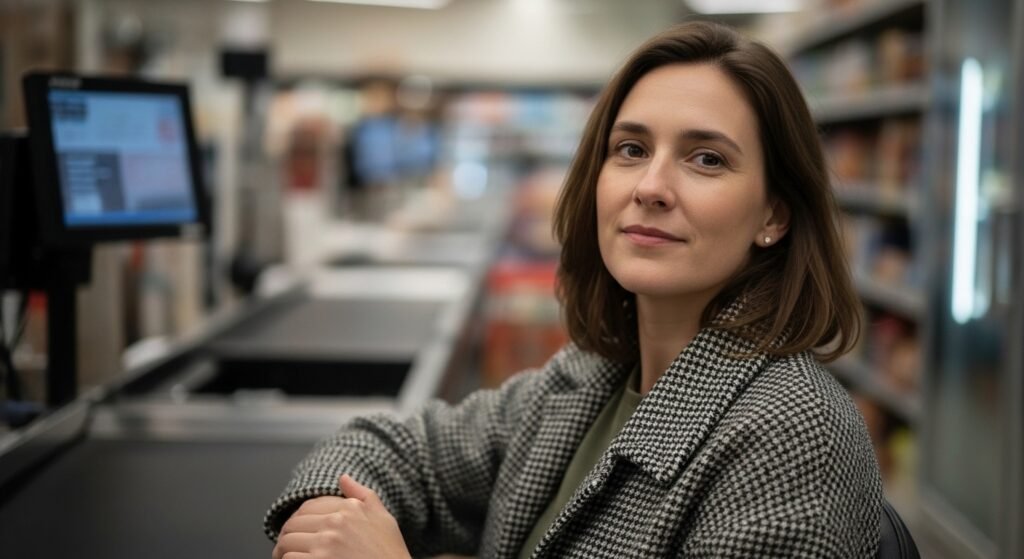
Most folks skipping self-checkout aren’t racing against time. Moving slowly through the aisles feels natural to them. For these shoppers, the store fits into life like coffee or a walk – not something urgent to clear. Waiting slightly longer matters less when it keeps routines intact.
They Prefer Predictability and Familiarity
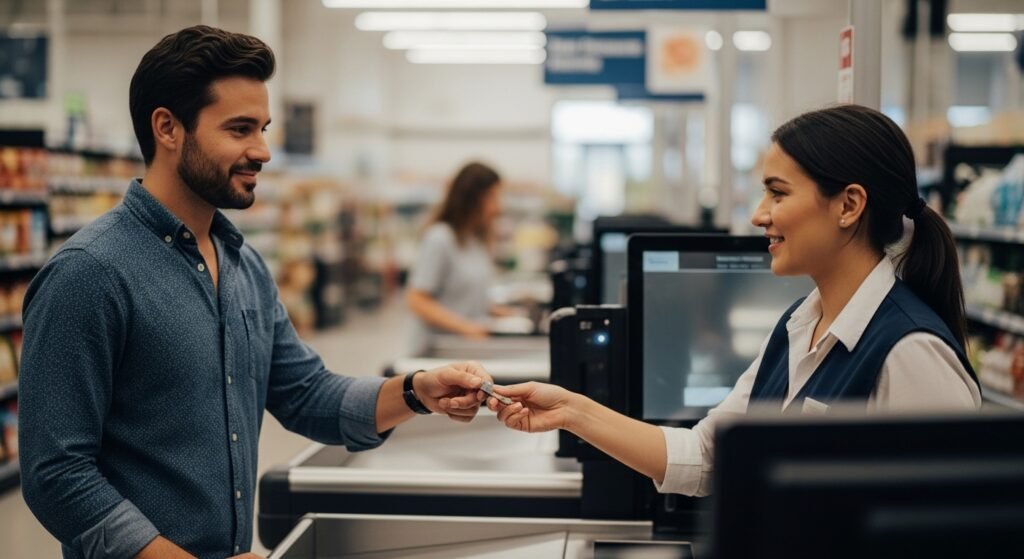
Nowhere is the same tomorrow. Store by store, screens shift, words change, ways to pay evolve without warning. Some just skip it altogether because standing at the back of a real checkout feels familiar, steady, clear. A living person still guides the process – someone who listens when things go off track.
They Like Having Someone Double-Check Their Items
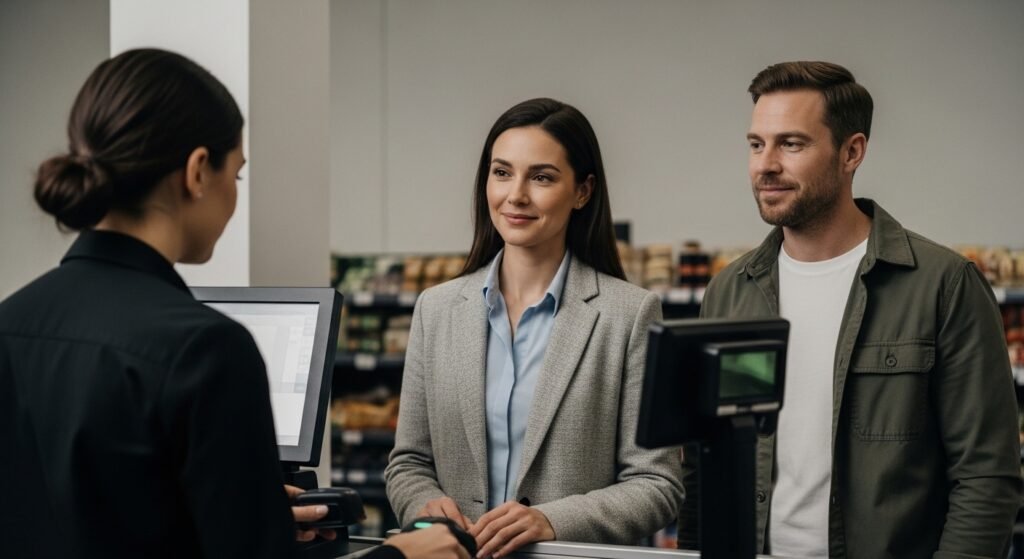
Scanners might seem safer for shoppers. Worry sets in when a price could go missed, grabbing an item free but not recorded, or false claims after a code fails. Having someone actually handle goods brings comfort. That kind of check feels more personal.
