
Moving around at older ages helps people stay independent, get around more easily, and feel better about themselves. Still, not all types of physical activity work well for older systems. Certain actions – like steady steps or light lifting – enhance stability, muscle power, and blood flow without causing harm. Others may seem harmless yet slowly raise the chance of accidents or injuries. Some routines boost health while others bring risk; knowing them helps move better without harm over time.
Walking Builds Endurance Without Harsh Impact
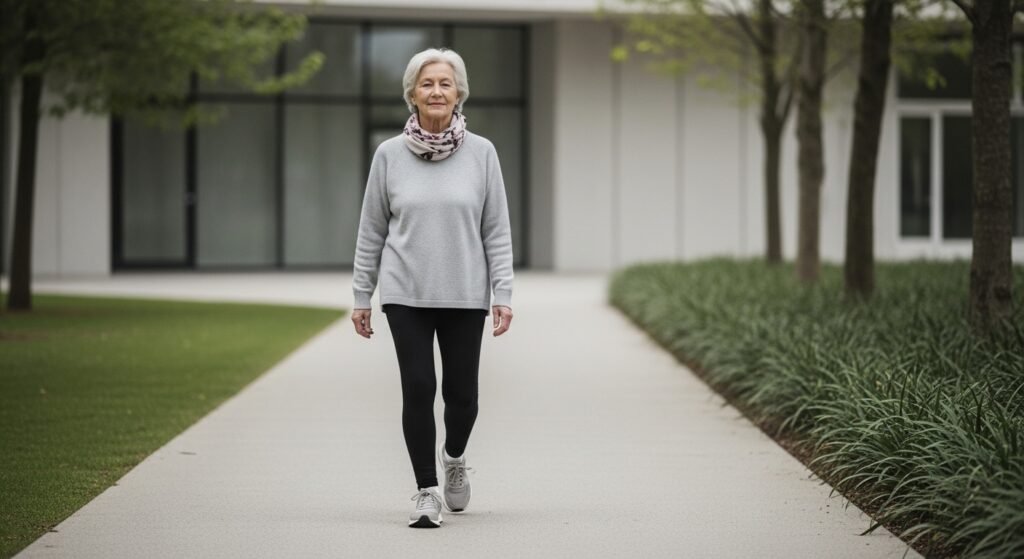
Each day, a quiet stroll boosts heart function, aids stronger bones, while lifting spirits – gently. Unlike intense jogging on rough ground, where strain runs high, especially in joints, this path causes less wear. Still, the body gains much like before, just without pounding limbs. That balance places it among the most gentle routines worth keeping.
Light Strength Training Protects Muscles Better Than Heavy Lifting
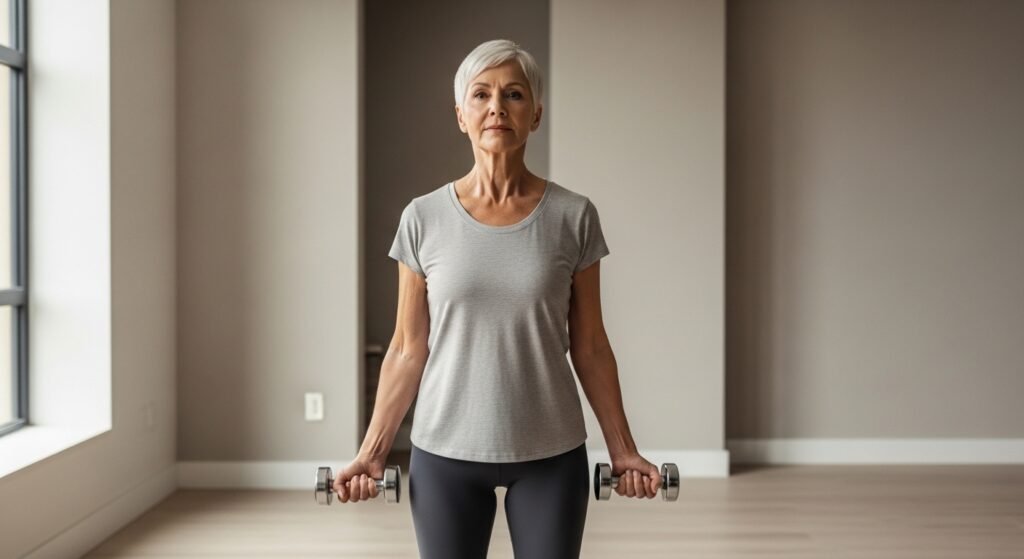
When life moves forward, using small weights or resistance loops helps maintain muscle strength, better equilibrium, and a more stable posture. Heavy loads might place extra pressure on joints – especially without proper supervision – which may result in injury. Doing everyday tasks at steady levels tends to bring lasting advantages rather than rushing into intense workouts right away.
Tai Chi Improves Balance More Safely Than Fast-Paced Workouts
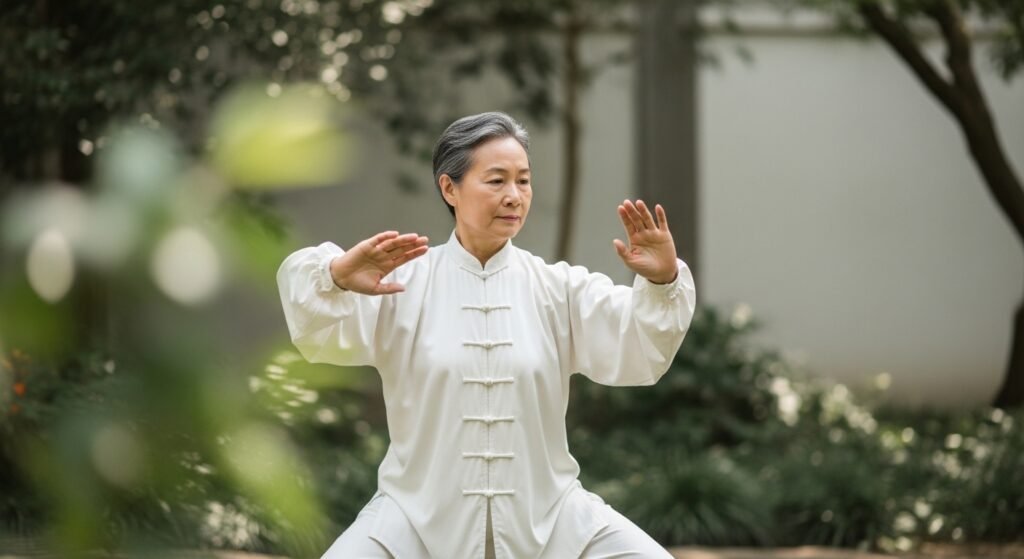
Step after step, tai chi glides slowly, building how parts of the body work together, where weight sits, and balance holds. Quick bursts of intense movement might seem useful but can make falls worse by throwing limbs into sudden turns. Peaceful rhythm without force tends to guard older systems much better than frantic pace ever could.
Swimming Supports the Body Better Than High-Impact Cardio
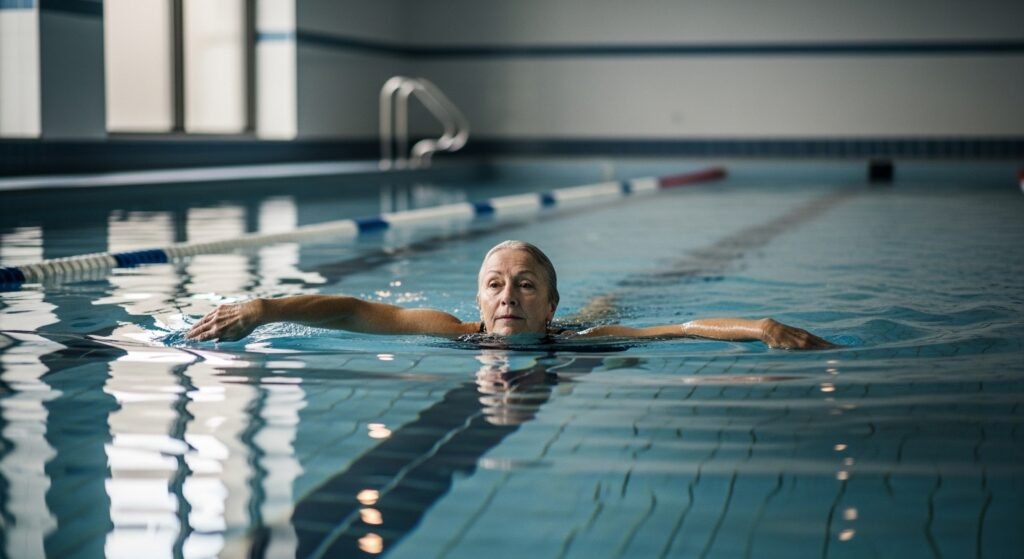
Moving in water eases strain on joints yet keeps energy and subtle firmness alive. Unlike harsh impacts – say running hard on rough ground – swimming flows strength through every limb without hitting walls, helping people who feel constant ache or stiffness do more without wearing down.
Chair Yoga Encourages Flexibility Without Spinal Strain
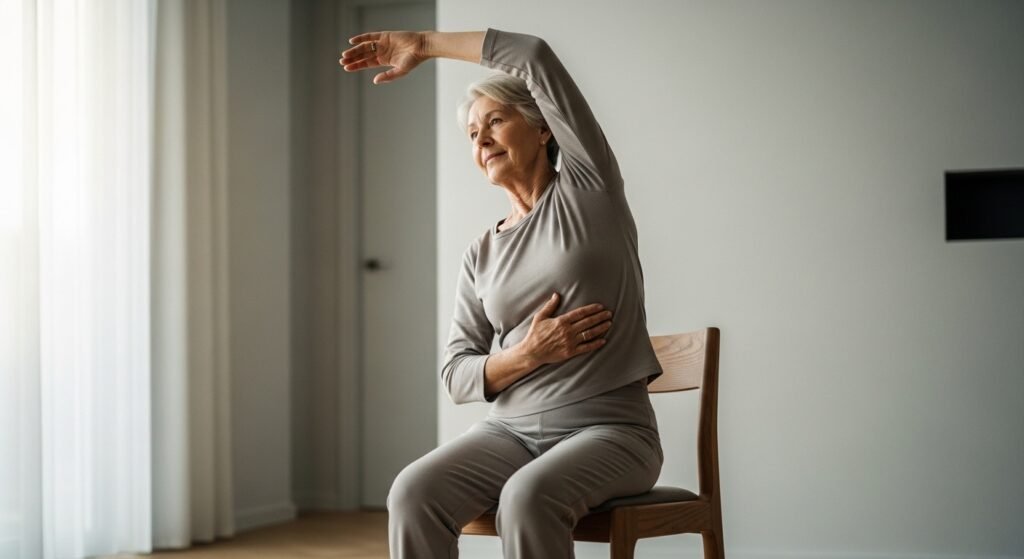
Slow movements in stretching or simple yoga moves help keep regular motion smooth. But pushing hard twists could irritate the back, particularly with fragile bone structure. Peaceful rhythm plus timely support – often better choices – that avoid trouble while moving kindly ahead.
Balance Training Prevents Falls Better Than Intense Agility Drills

Taking small steps – like walking heel first then toe – builds up how parts of the body stay put. Standing on a single leg does similar work without needing speed. Rushing through tough moves on wobbly ground might test resolve, yet raises the risk of losing balance. Often, slow precision beats fierce effort when improvement matters most.
Consistent Moderate Activity Outperforms Occasional Extreme Workouts
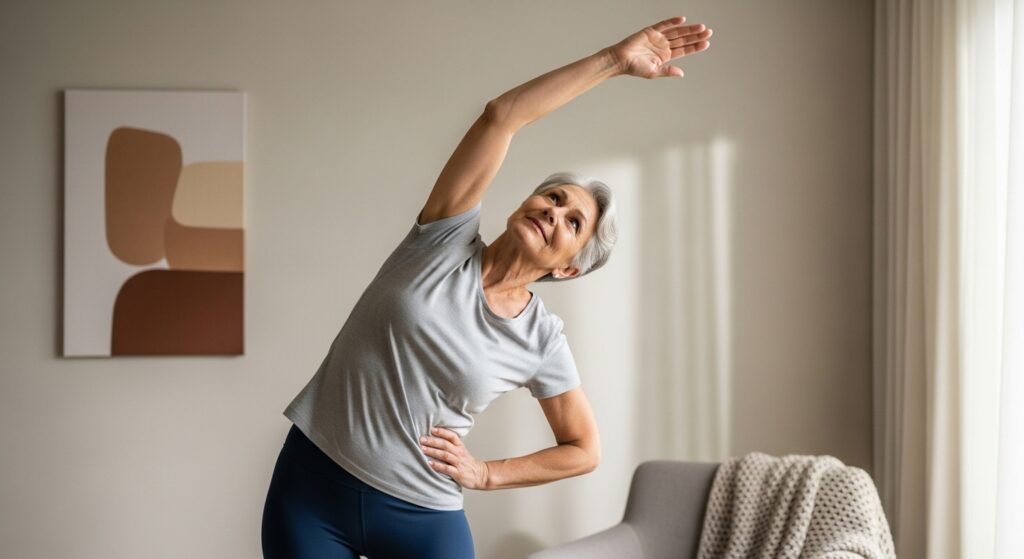
Shifting places now and then – even small moves – keeps the heart working well, slowly gaining toughness and focus along the way. Leaping into wild exercise routines, skipping prep steps, could strain it beyond need. What really counts? Steady motion over time, not brief bursts of wild effort.
The Bottom Line
What matters most for older people isn’t doing the toughest workout – it’s picking one that carries the least risk while still being done regularly. Slow-building strength, consistent balance drills, along with light exercise for lasting energy form the base of living longer, feeling better, and staying put longer.
