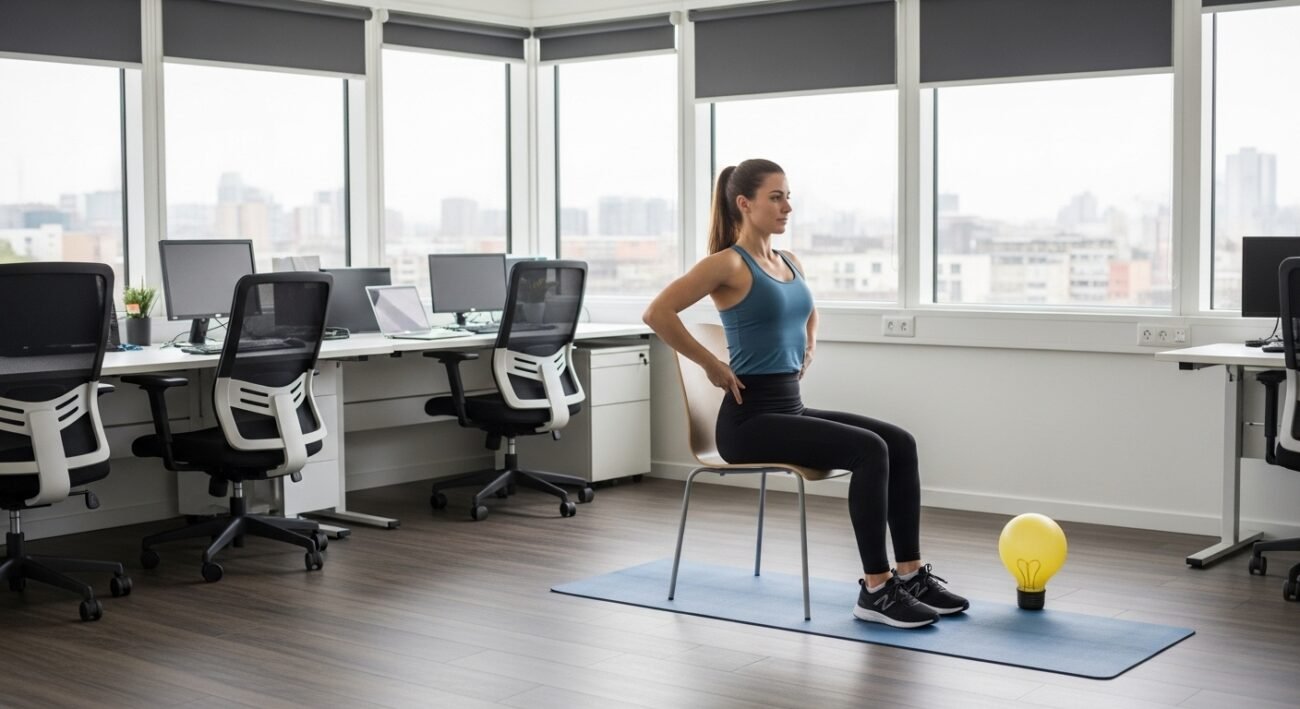
The idea of sitting long hours has snuck into the daily routine. This can be seen at your workplace, at your home or during the commute. Meanwhile, most of us are motivated to exercise more but we cannot find the space, time, or motivation. Workouts sitting on the chair could be a soothing compromise. They enable the body to remain active without the need to stand up, change clothes, and rearrange the day. Such movements can be accommodated in small intervals and can aid in making the body feel less rigid and more alert. It is not about perfection or pushing the boundaries, but just experimentation about how a chair can make the person move. It is practical, friendly, and surprisingly refreshing.
Seated core activation

When sitting in an upright position, taking time to involve the stomach muscles gradually can be of help in getting the core awakened. Such movement does not tend to emphasize the buttock and back muscles, and the abdomen can feel slightly strained without floor movements or hard work.
Chair leg extensions
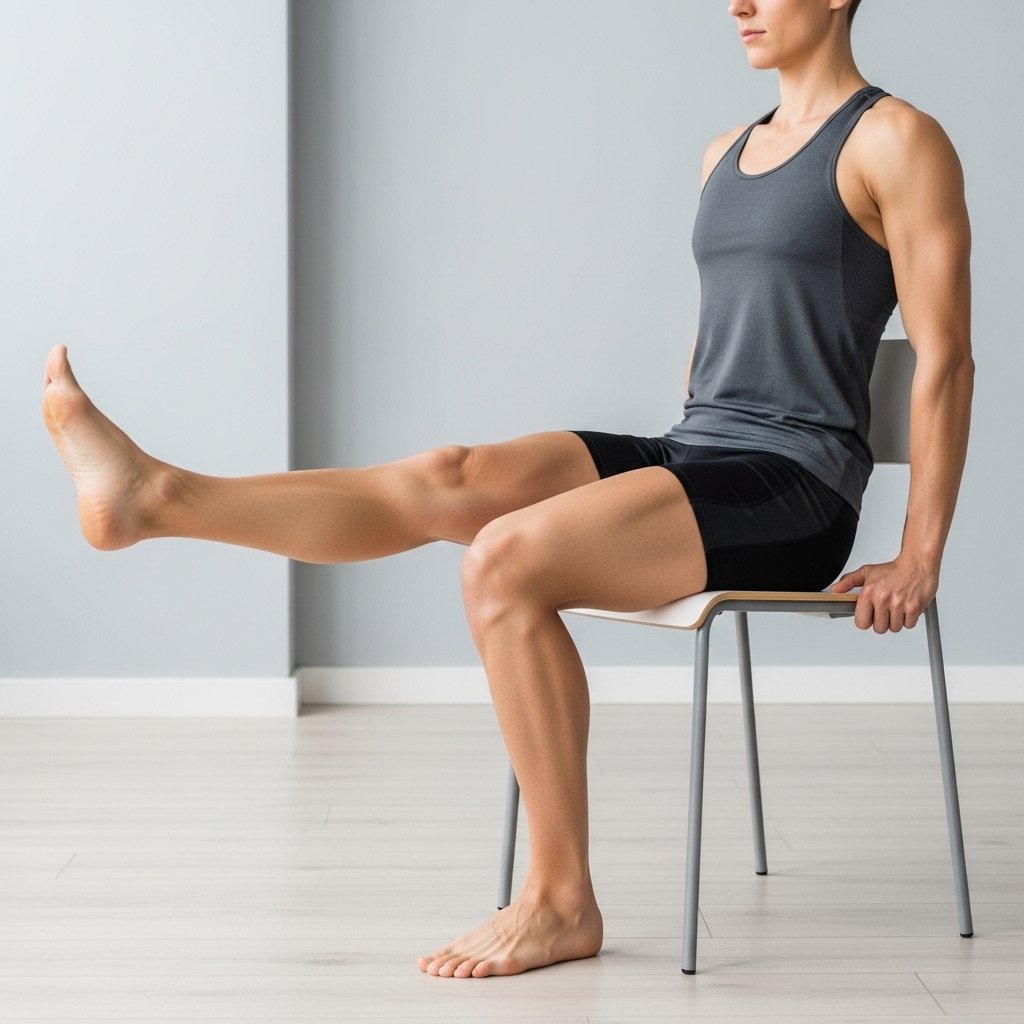
Gently, one can bring out one leg at a time when seated to engage the thighs and knees. This movement may also seem easy, but it can stimulate movement and muscle activity, particularly when sitting on long surfaces and when the lower body is deemed motionless.
Seated marching
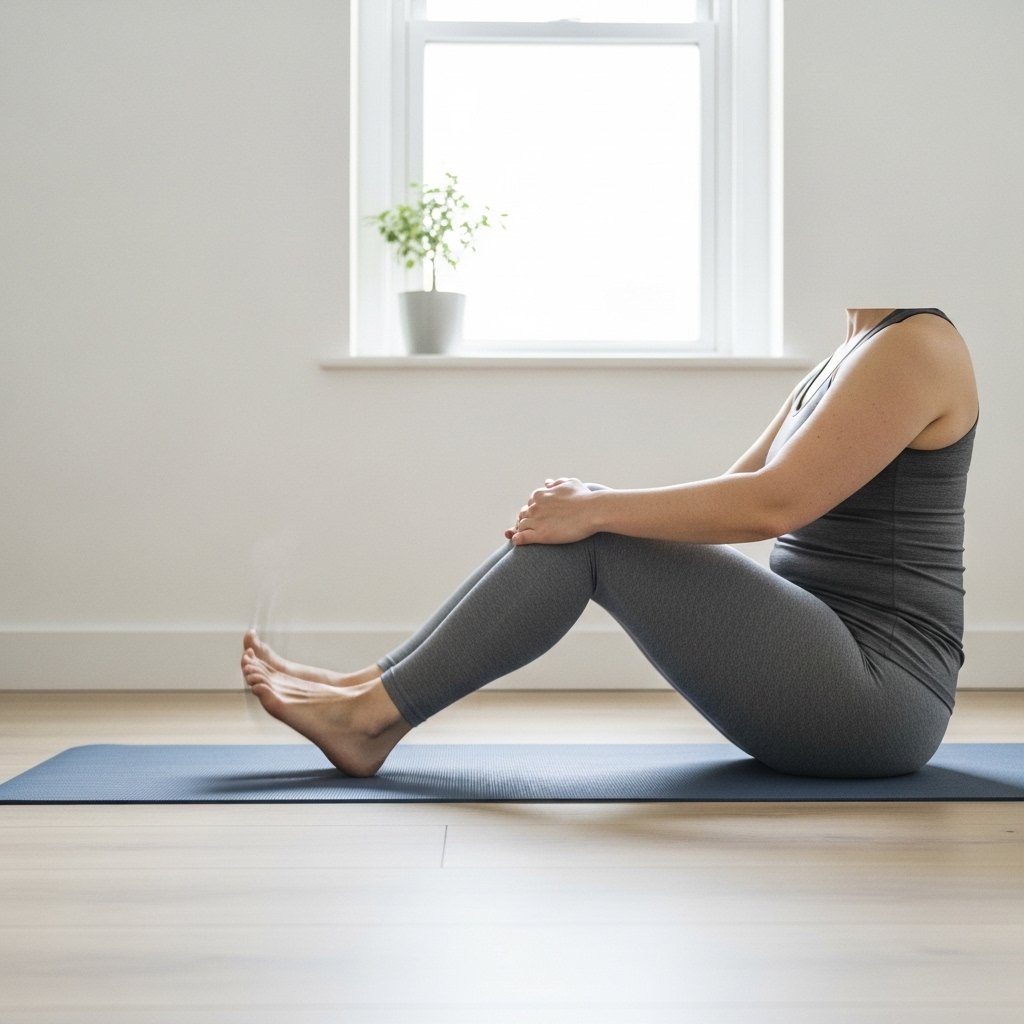
Raising the knees one at a time while remaining seated may provide a minor rhythm to the body. It can be used to wake up the hips and legs as well as provide a light cardiovascular sensation without leaving the chair.
Chair squat practice

It is possible to use a chair to stand and sit back and engage the legs and hips. This movement is frequently the one that seems to be familiar and functional because it resembles everyday movements that involve the multiplication of the use of several muscle groups with each other.
Seated arm circles
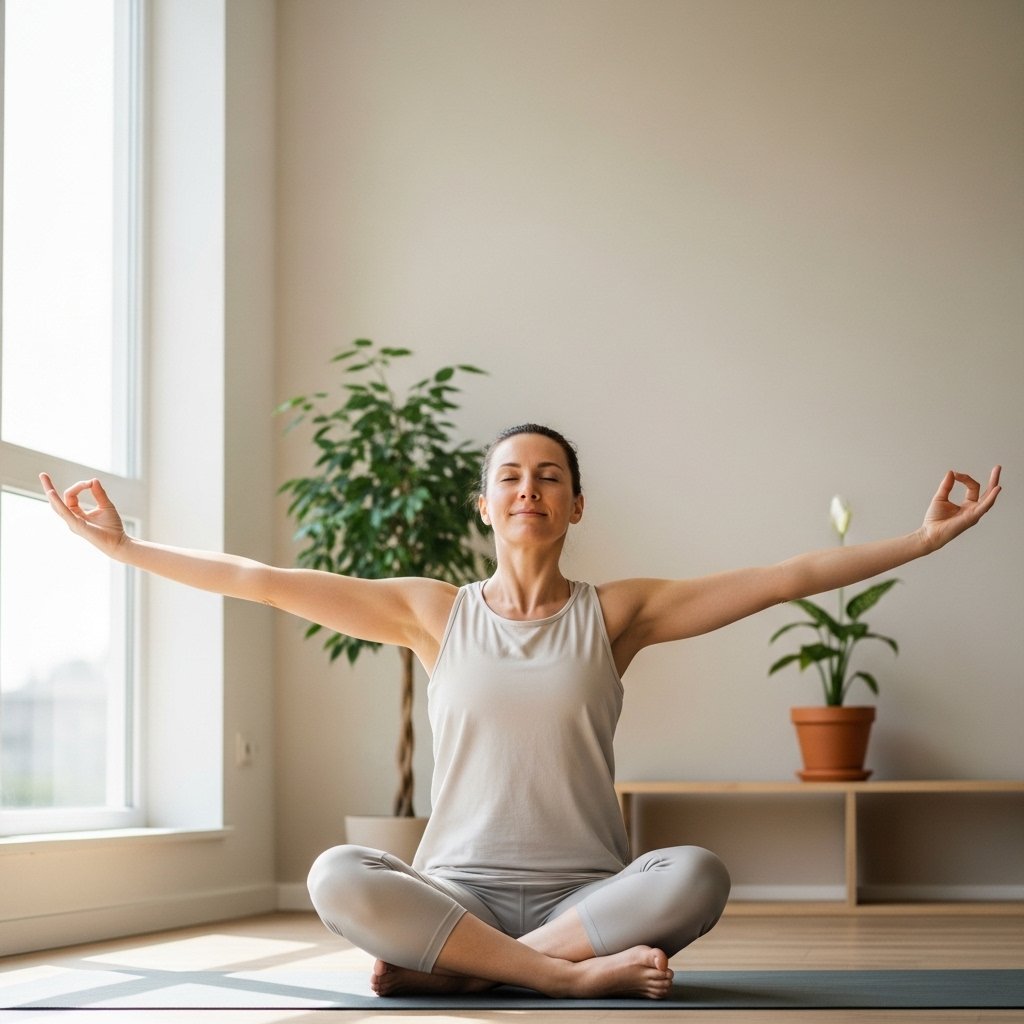
Sitting with the arms twirling slowly in circles can exercise the shoulders and the upper arms. This practice can also open tight spots, which will make it rather easier to remove tension in the neck and upper back.
Chair triceps dips
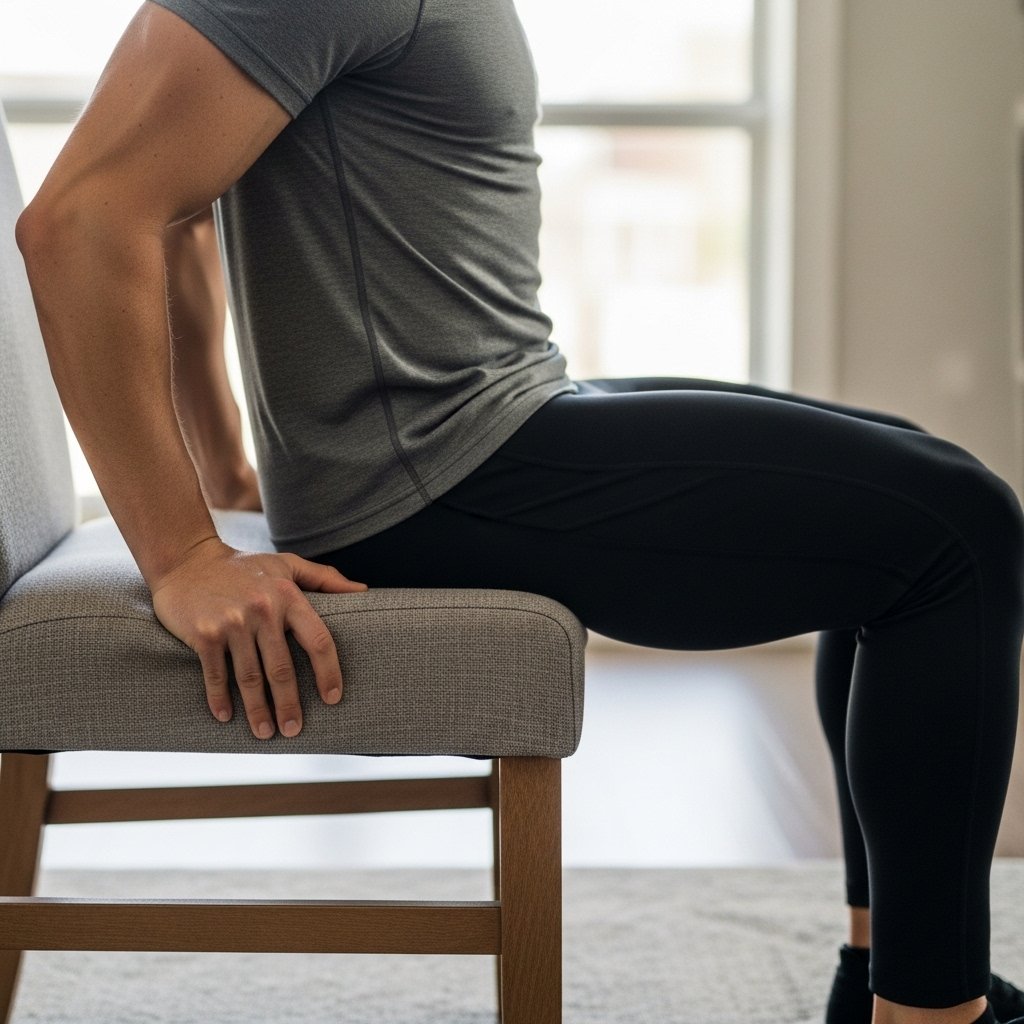
Bending the arms at the edge of a chair with the help of straightening may work with the back of the arms. This exercise may seem to be supportive instead of taxing, with the controlled movement and at a comfortable pace.
Chair calf raises
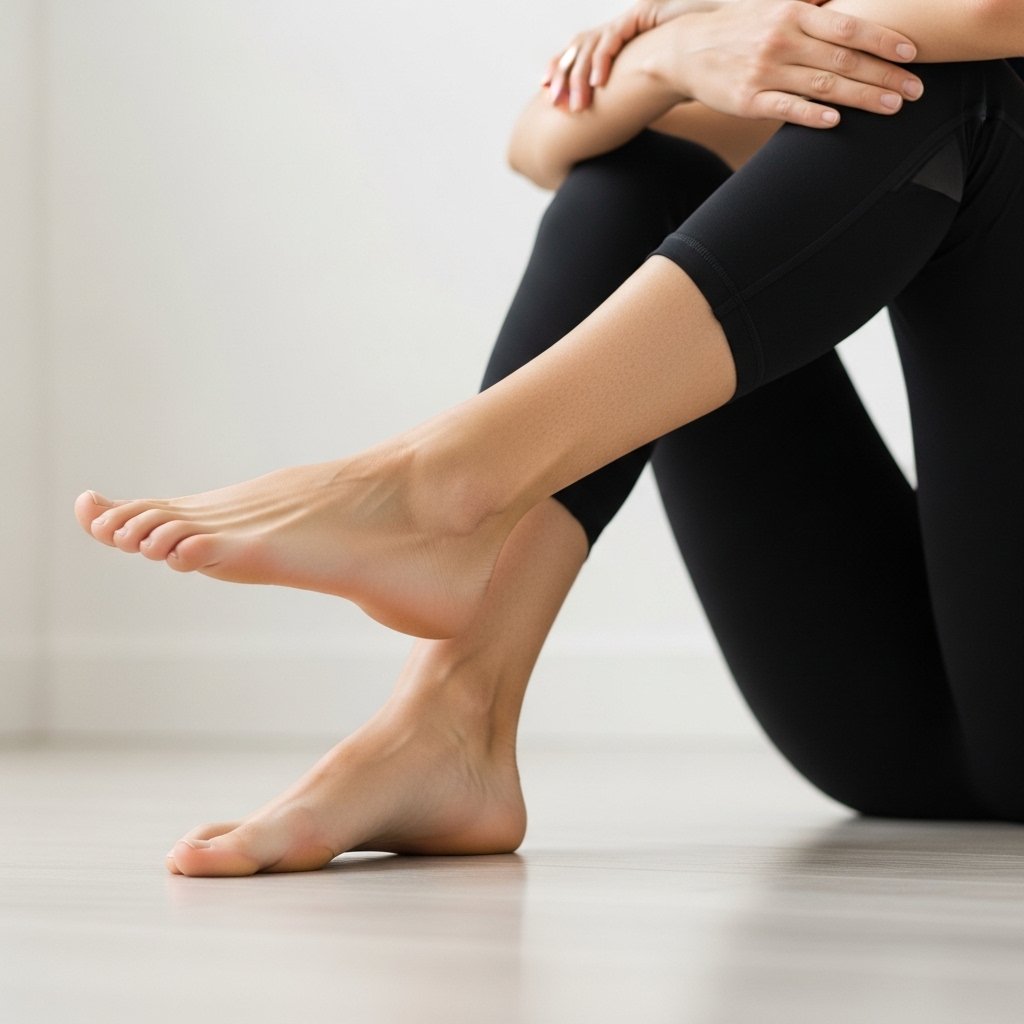
The calves can be used by elevating and using the heels, with the toes kept on the floor. It is a movement that is not very noticeable or difficult to perform but which can make the lower legs feel more active and less weighty.
Chair glute squeezes
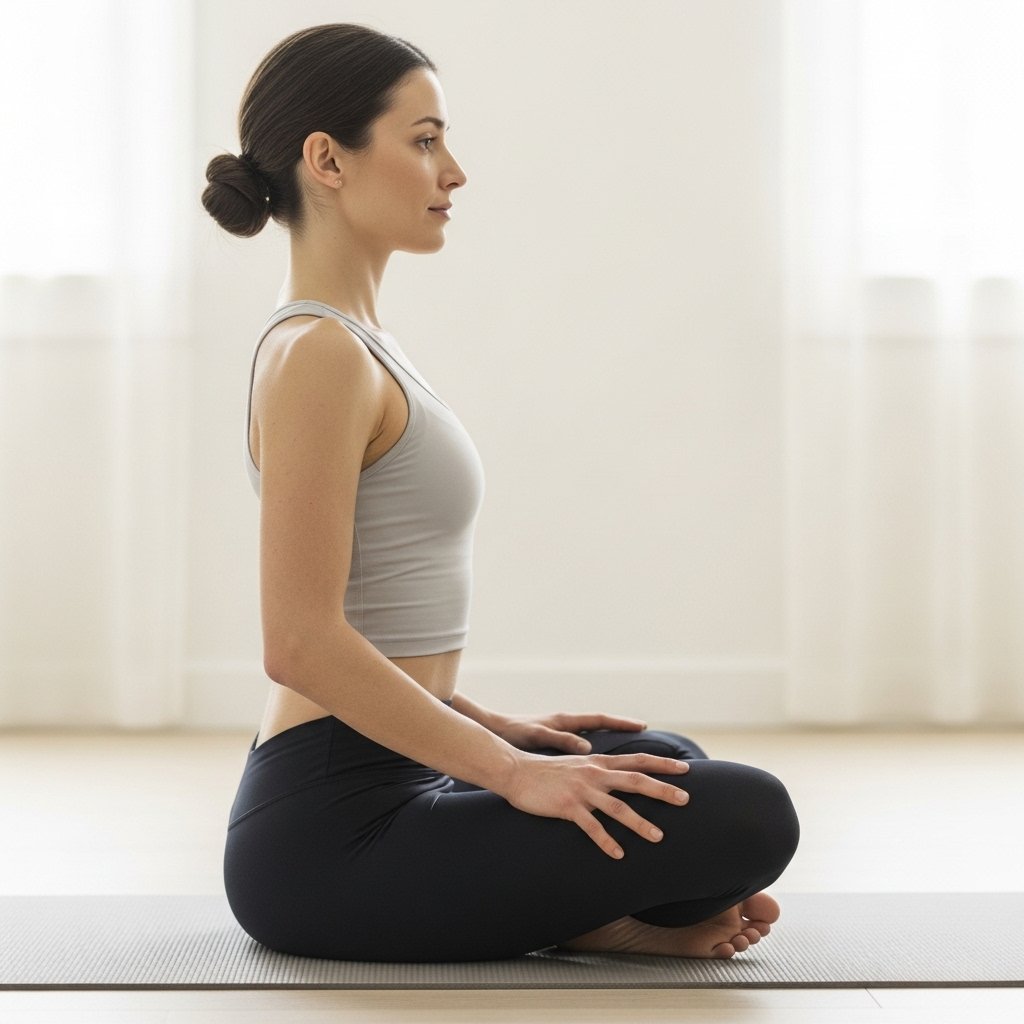
Cautiously contracting and stretching the muscles around the hips when seated can make one focus on an area that usually remains dormant. This exercise is subtle and possibly brings the lower body more involved.
Chair wrist and forearm work

Squeezing the forearms gently or spinning the wrists when one is sitting can take care of the smaller muscles of the arms. The movements can prove to be useful among individuals who type or write frequently during the day.
Seated full body flow

The whole body may be involved in combining soft movements of arms, legs, and torso into a single continuous movement. This way enables creativity and a feeling of personal amenities and is less restrictive; the chair does not feel so rigid and supportive of movement.
