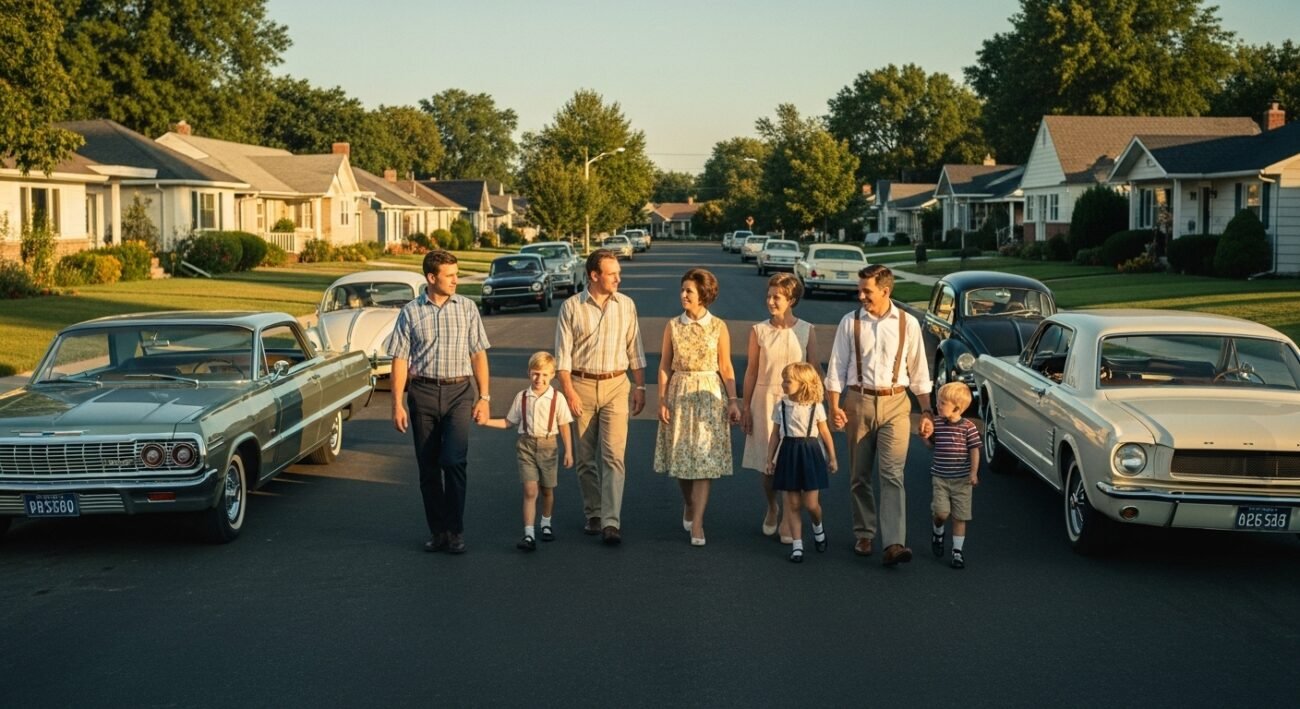
The 60s are sometimes as though a chapter that is being read to a collective memory book, one filled with moments that might be viewed as less complicated, more audible, and slower all at the same time. They lived a more relaxed lifestyle, and it dealt with routines, faces that people knew, and little treats. The sense of togetherness was woven into homes, streets, and public areas, which are still discussed by people today. It could be the radio playing a favorite song, the black and white television appearance, or the thrill of a new idea in the mind. Although each experience was unique, the decade does give an enduring impression that is still thought-provoking, touching and introspective.
Music that filled the air
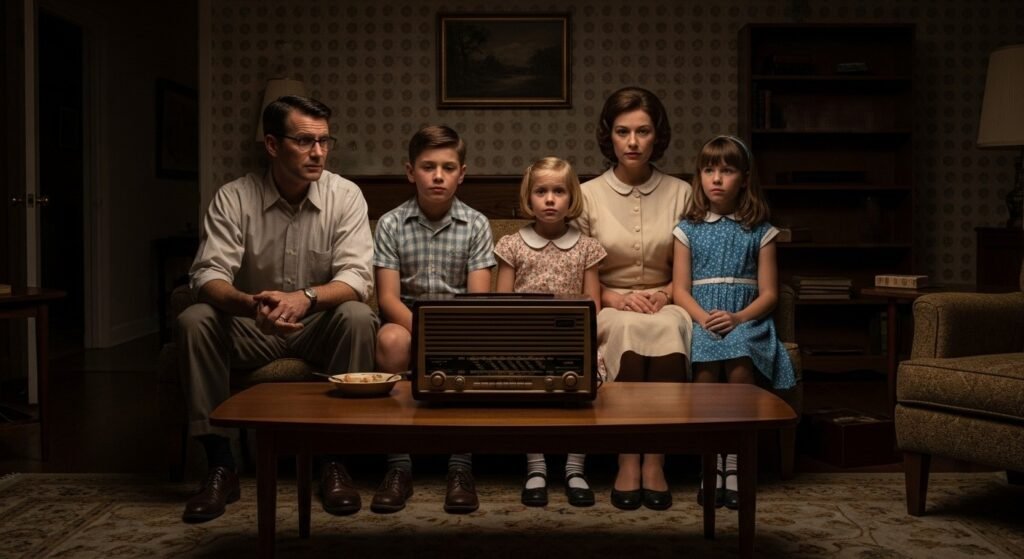
The 1960s music tended to appear as a common ground in daily lives. Music that was played on radios in the home and cars, sometimes comforting, sometimes energizing. Most individuals recall music as something that silently influenced moods and memories.
Television as a family focus
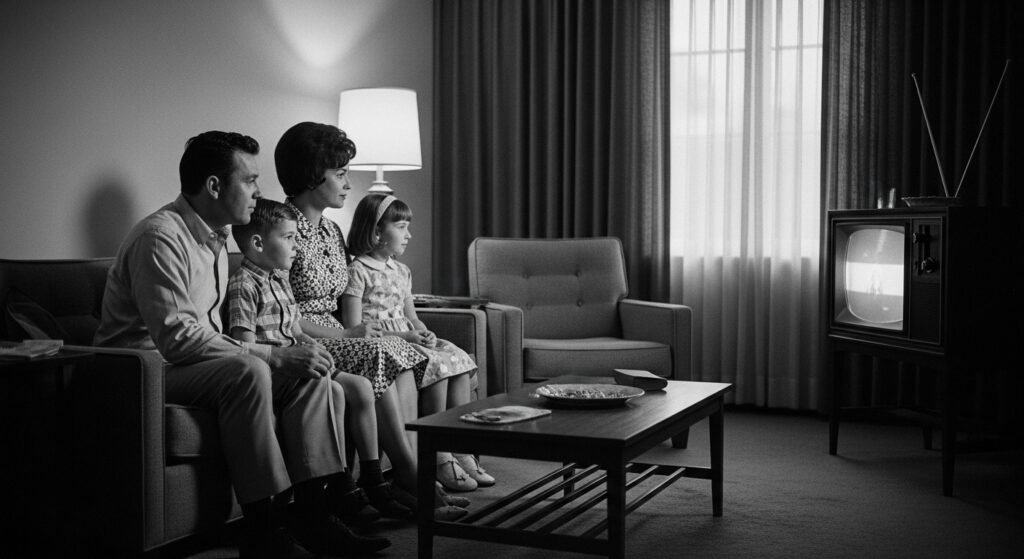
The television sets were usually placed together, particularly at night. The next day, the shows turned into the topics of conversation, establishing common discussions. Sharing time together was usually a little affair that brought joy, tension, or tranquility to living rooms.
Neighborhoods that felt close
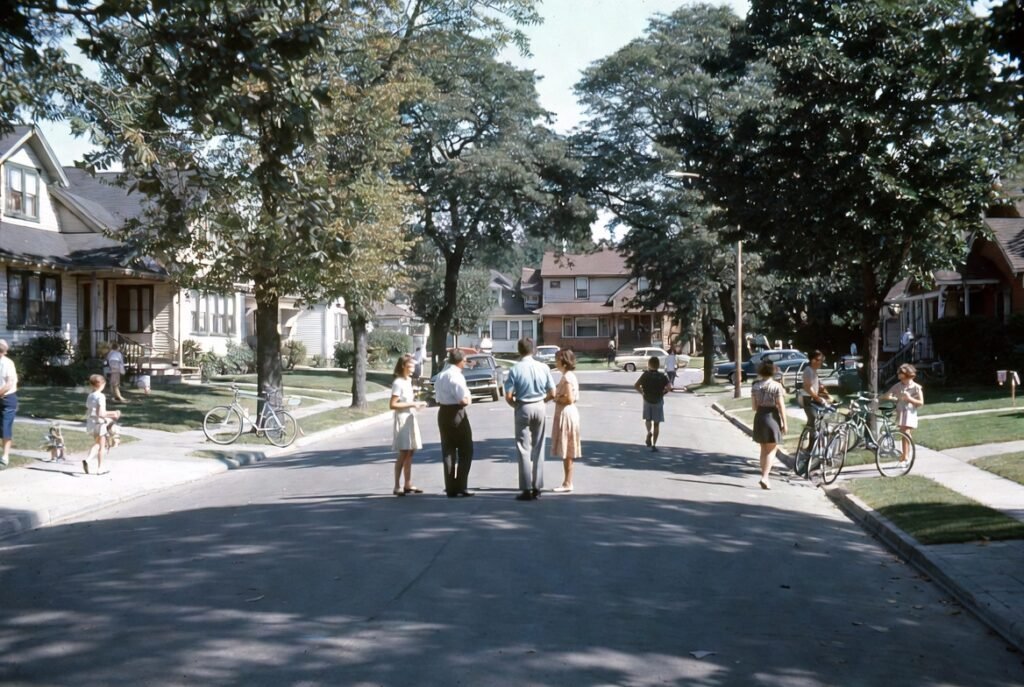
There were numerous neighborhoods in the 1960s that appeared to be more interrelated. The faces were well-known to the people who came across each other and greeted one another casually. There was life in the streets with daily activity, and the feeling of belonging developed naturally by simple and repeated interactions over time.
School days and simple routines
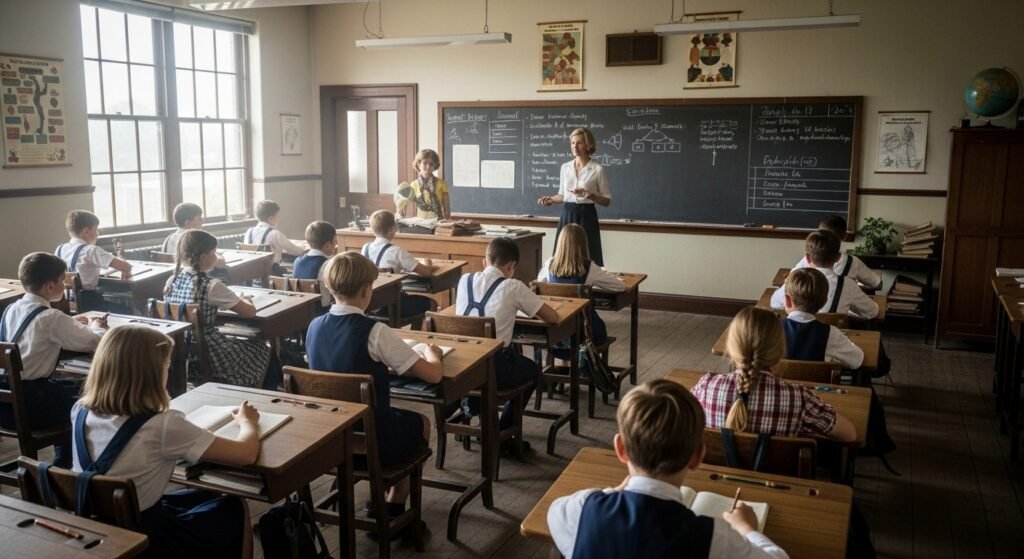
The 1960s school life had quite straightforward routines that characterized the daily schedules. Classes were well organized but home-like. School memories for many of us involve chalkboards, handwritten notes, and the monotony of lessons, which combined learning and discipline.
Work life and daily effort
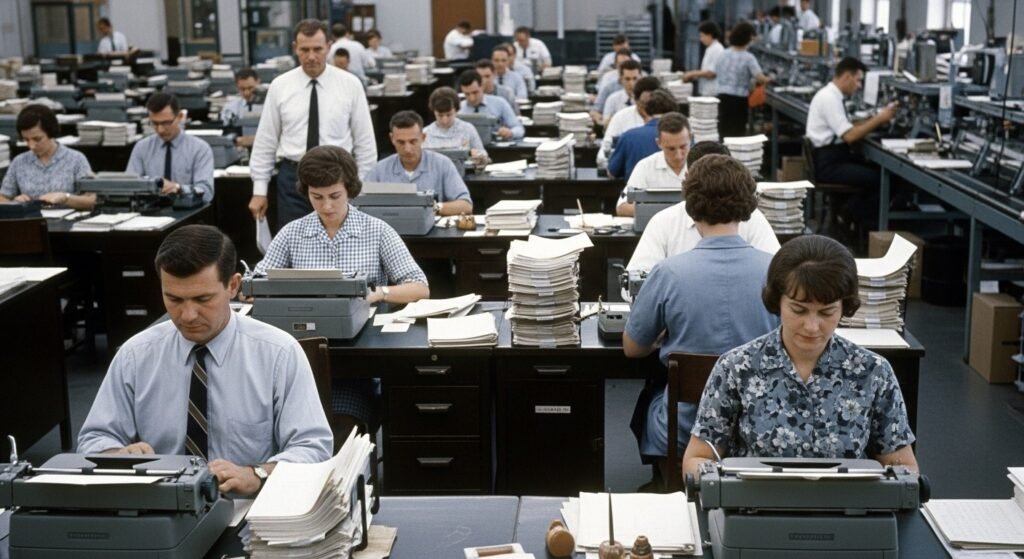
Employment at this time was usually routine. It might give jobs a sense of stability, routine, and purpose. Work is remembered by many people as something distinctly separable, and evenings are more relaxed and intimate.
Technology is slowly creeping into homes
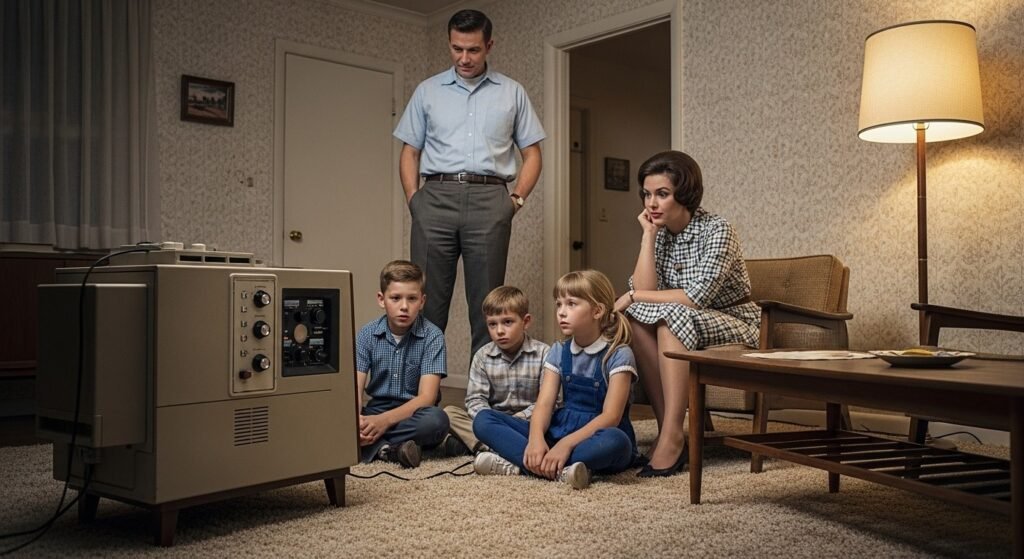
The 1960s had technology that was not too much. The appearance of new devices was not as immediate, as it caused a desire to learn more about them instead of being pressured. The change in many households was not a rush, and people had time to adapt and enjoy every new change.
The space curiosity era
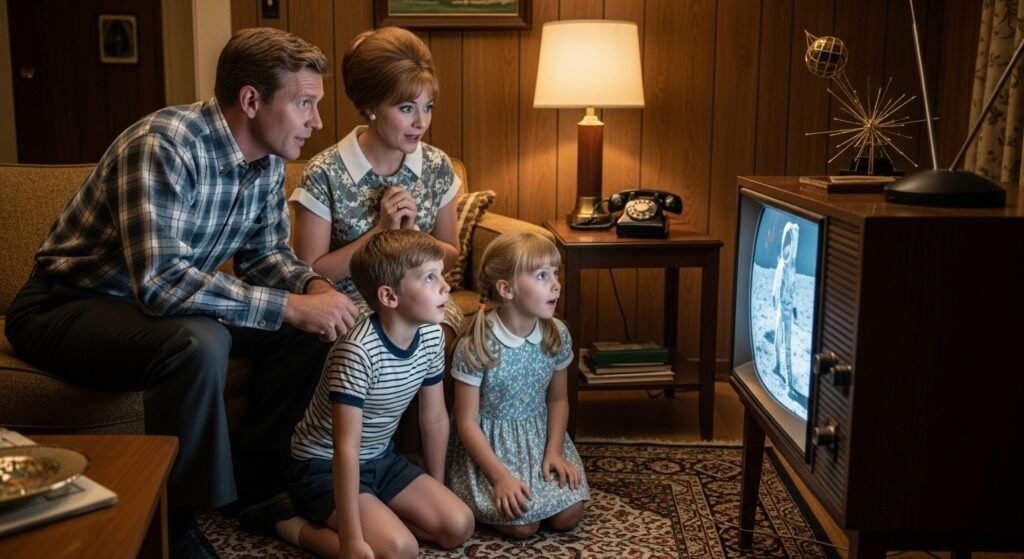
Space exploration aroused interest over the decade. News items and pictures provoked amazement and conversation. Space was the domain of possibilities to many, and it stimulated fantasy to an uncertain degree of what such exploration may ultimately result in.
News that traveled differently
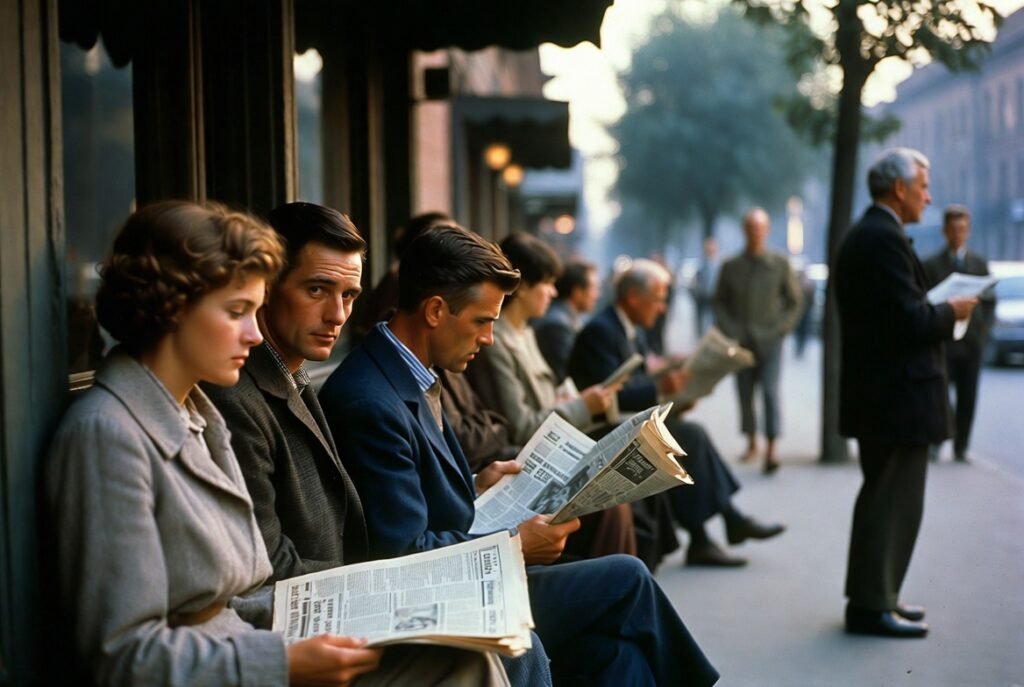
In the 1960s, communication of news came in the form of newspapers, radio, and television broadcasts. The flow of information was sluggish and provided individuals with time to reason. Most people remember getting updates as a daily routine that was always discussed with others.
Family time at home
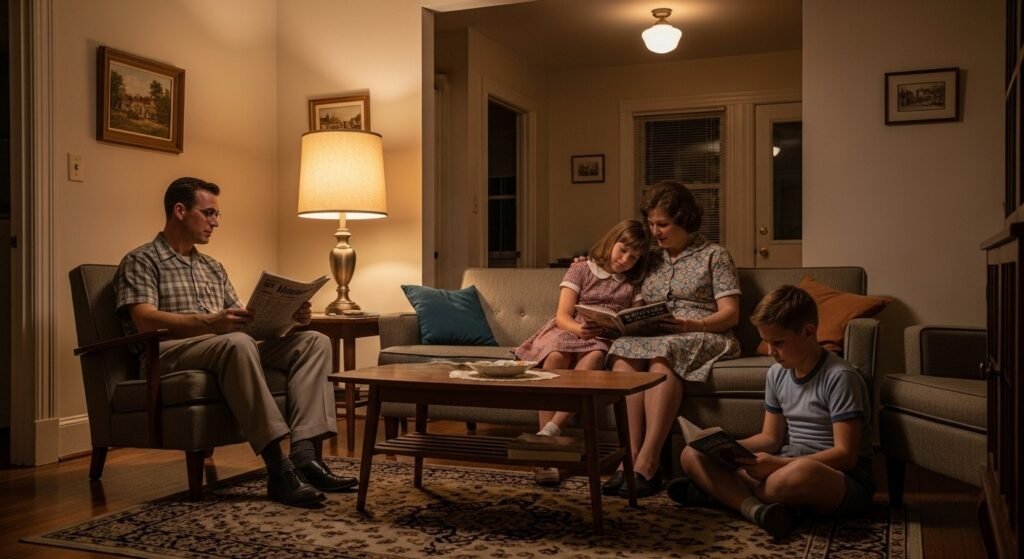
Home life could be focused on simple things that could be done together, such as meals, discussions, and silent nights. Families were together in uncomplicated ways. These practices, though mundane, occasionally made powerful recollections that are reassuring to recall.
Getting around town
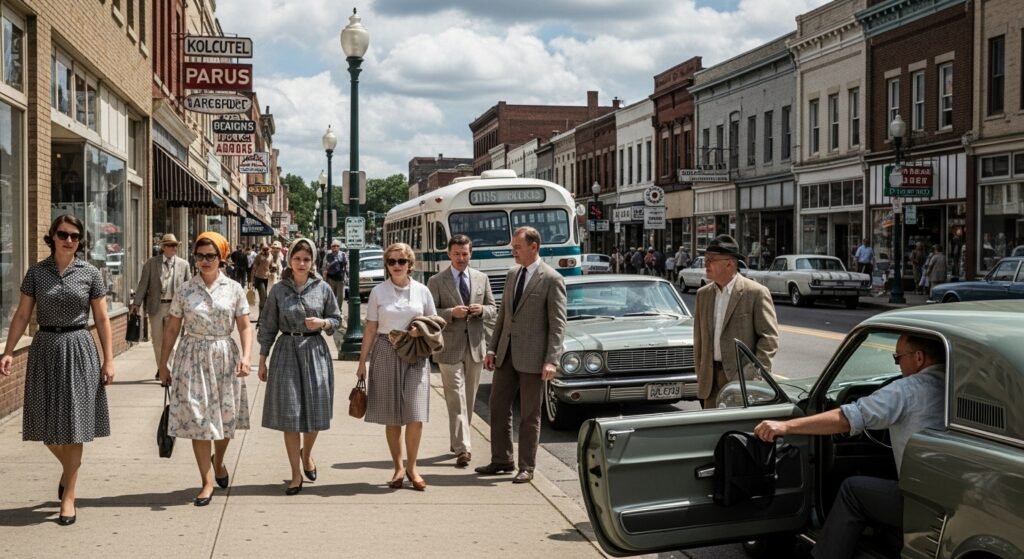
The 1960s had a high level of transportation using walking, buses, and personal cars. The process of traveling was less spontaneous. Transporting from one place to another was always about talking, watching, and a slow pace, which was equal to everyday life.
Shopping as a social activity
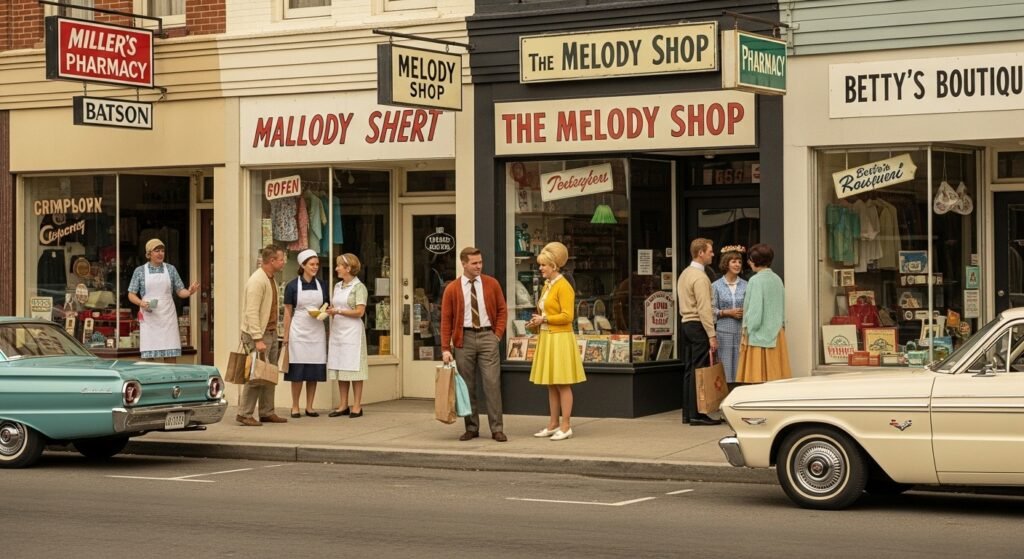
Shopping tours could be personal and local. The experience was created by small stores and shopkeepers. Most of us remember shopping as an experience beyond a duty, even an opportunity to meet and socialize as we window shop.
Changing voices and opinions
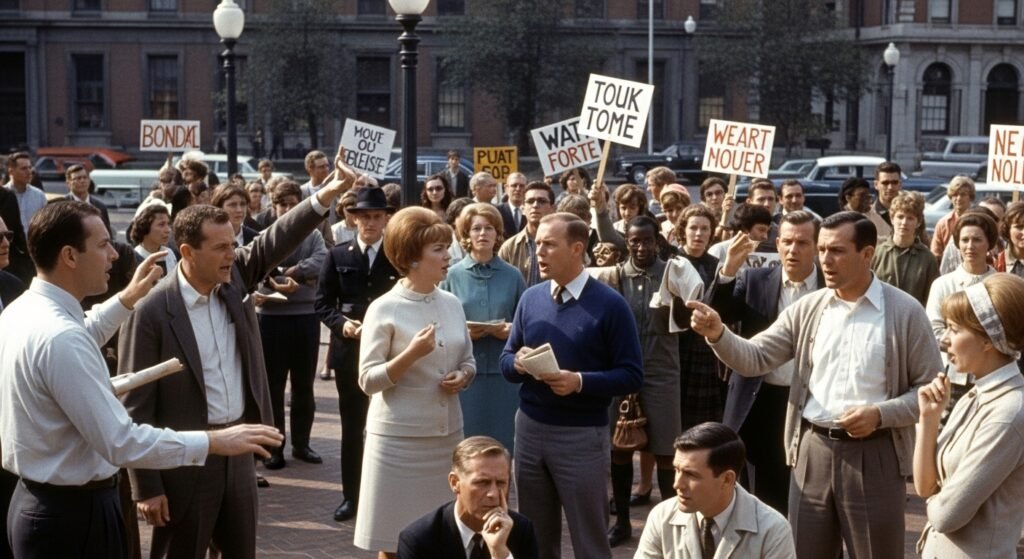
There were numerous discussions concerning change and ideas in the 1960s. Different people said what they think, even in public. As the experiences differed, the decade could be viewed as the period when voices were heard, asked, and discovered.
Sports and shared experiences
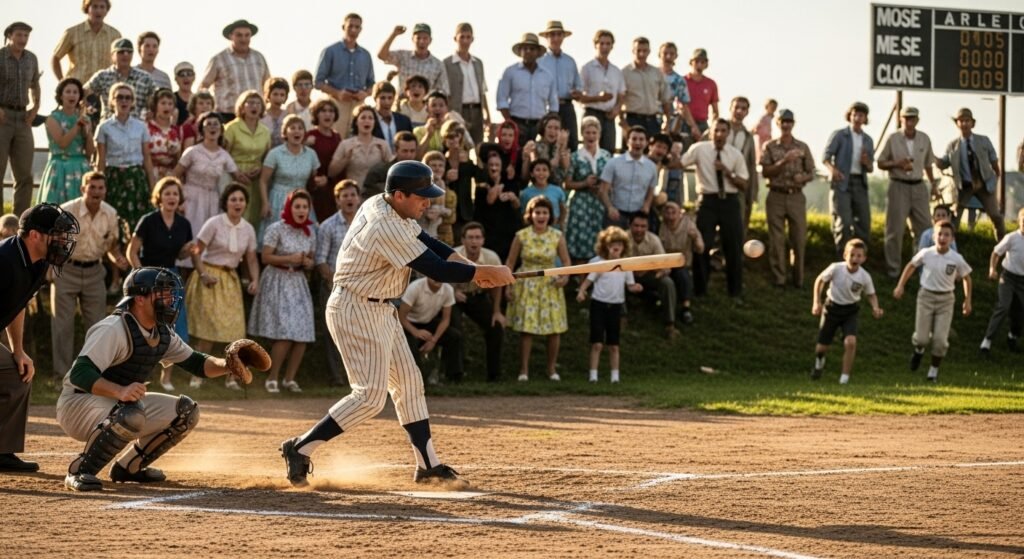
Sports united communities by way of games and cordial competitions. Giving leadership to a team would generate enthusiasm and attachment. It is remembered that many people used to listen or watch as a group, and losses and wins would be a collective emotional experience.
