
A night at a restaurant ought to bring joy, yet pick the wrong thing on paper and workers scramble behind the scenes. Some dishes arrive too late because steps aren’t clear – this messes with timing others rely on. Preparing items found only in specialty books often demands extra minutes nobody talks about. When one item needs constant attention while everything else waits, rhythm breaks apart quietly at first. It is not about fault – it’s just that unseen work happens beneath the surface every single time.
Customizing Every Component
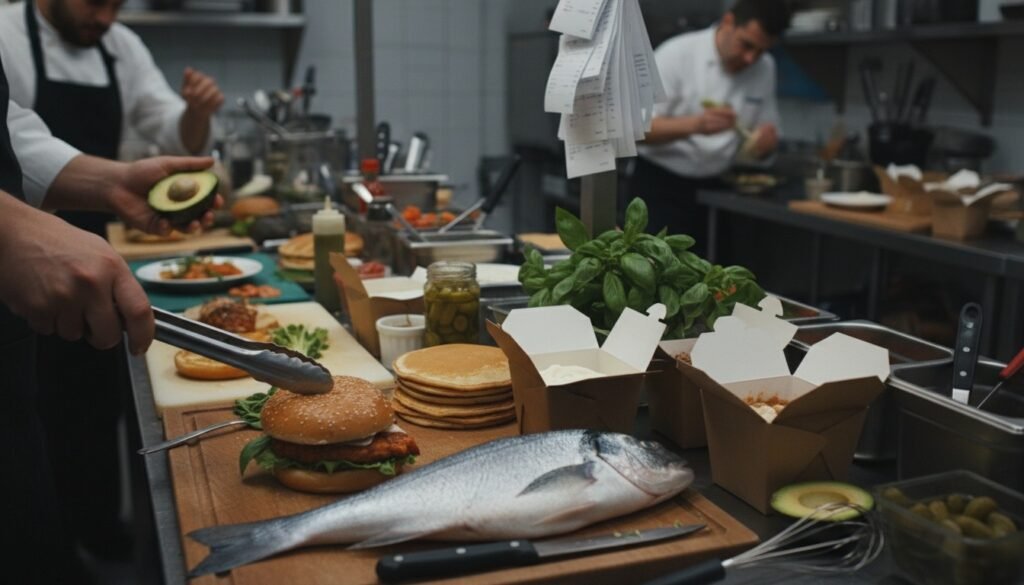
When lots of changes are requested like swapping or taking out various items cooking gets slower, mistakes creep in. Sure, small tweaks happen all the time, people expect some flexibility. Yet too many edits at once? That messes with how smoothly things run.
Ordering Off-Menu Items
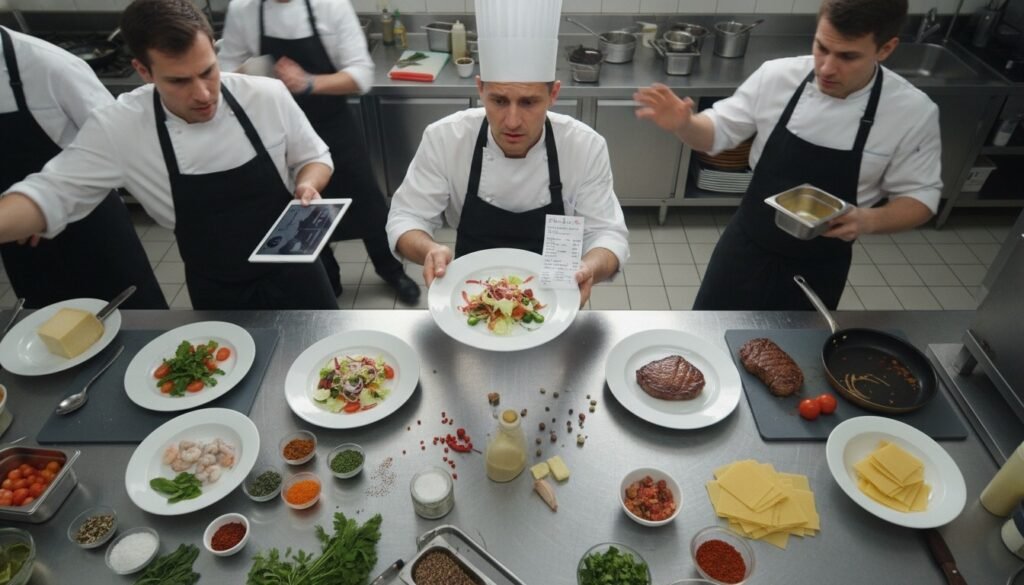
When guests ask for something not on the menu, things might get complicated. Dishes come out in fixed amounts because kitchens work by planned servings, meaning spur-of-the-moment changes could mean swapping ingredients or redoing steps – this often slows things down while piling up extra tasks for those handling orders.
Asking for extra spicy beyond their limits
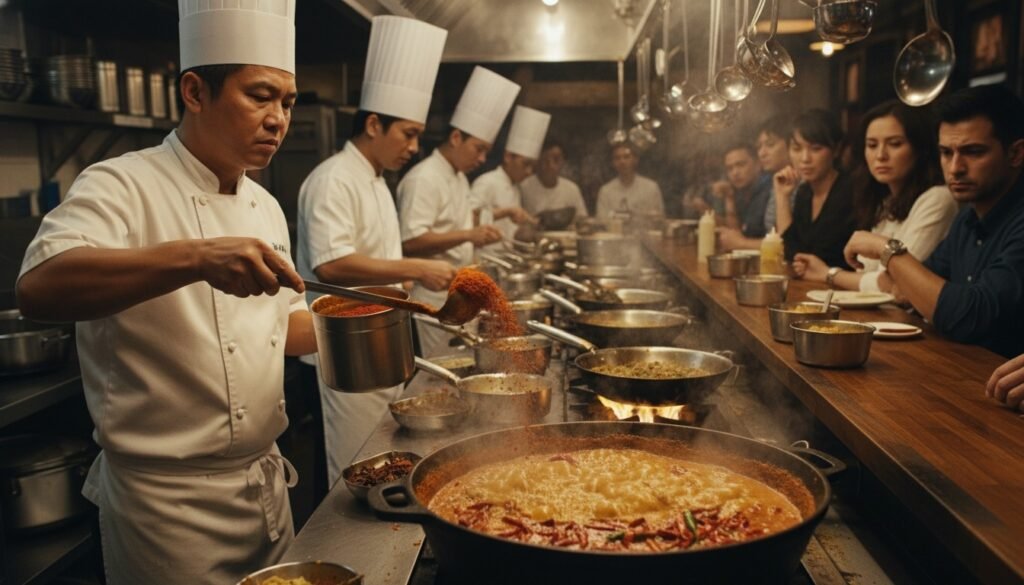
Most dishes run on gentle or average heat, yet asking for extreme burn brings challenges. Cookstations usually follow fixed heat levels, meaning extreme changes take time, holding up service for others nearby.
Requiring Separate Cooking Times
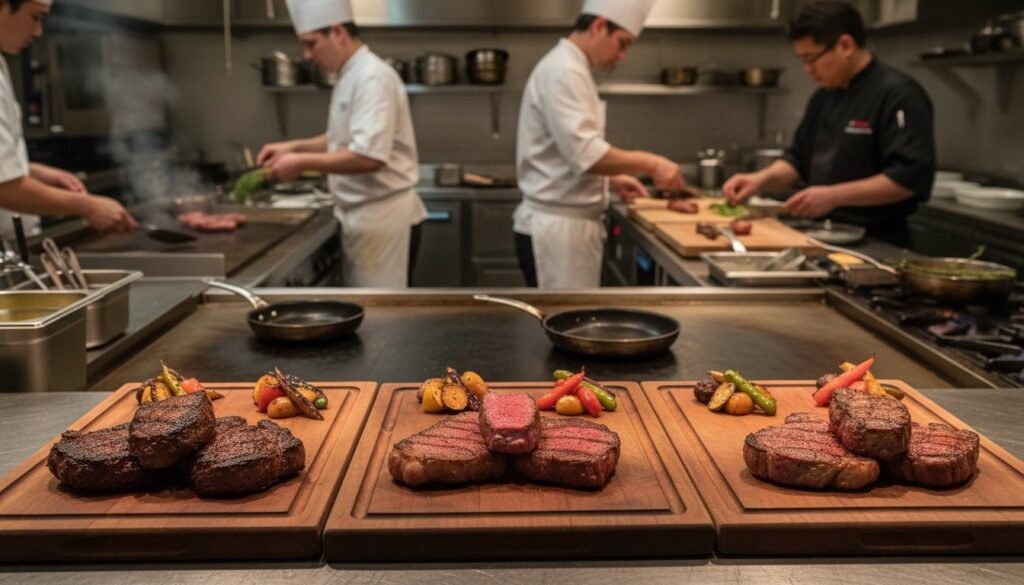
When some guests ask for their meat done one way, while others want it another, it often slows things down. Each request changes the rhythm of cooking, making it harder to keep everything moving together smoothly.
Ordering Large Numbers of Modifications at Busy Times
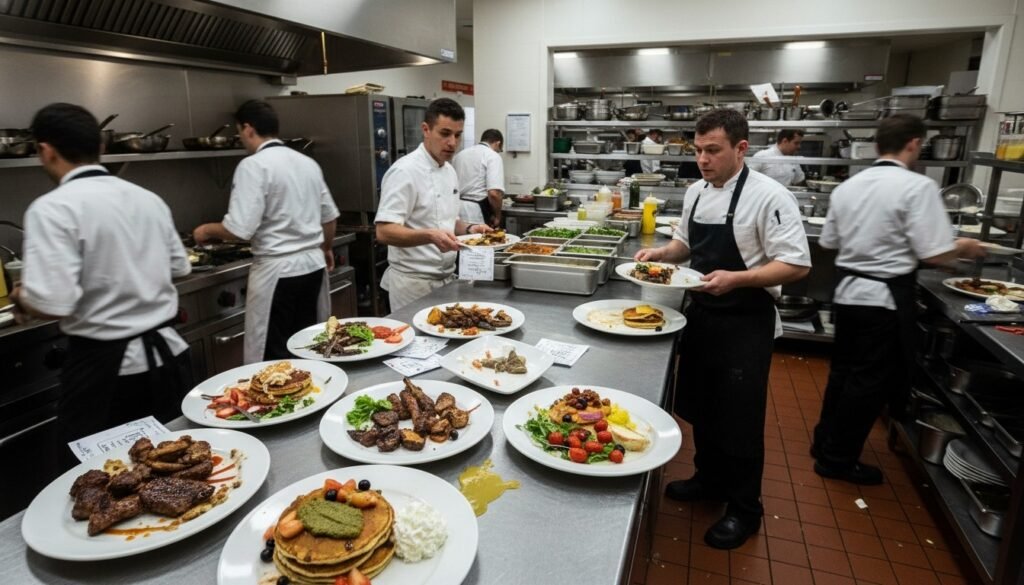
When things get busy, too many orders at once tend to slow everyone down. Staff might scramble to keep up, which often means dishes arrive late or look messy. Smooth service starts to waver under heavy demand.
Asking for Unusual Ingredient Substitutions
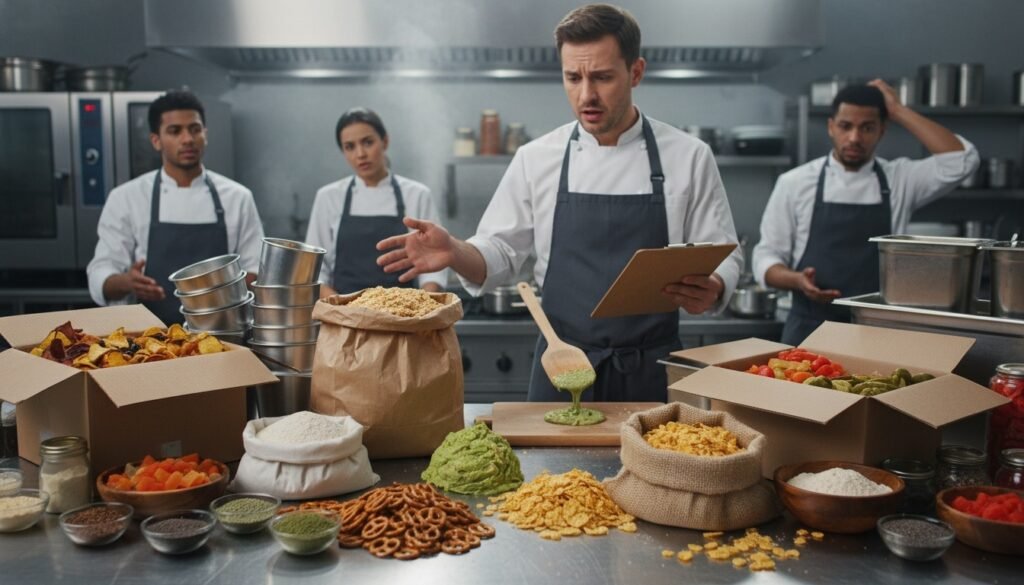
When several items get changed but the pantry runs thin on staples, things slow down. This shift could pull servers off different dishes, leaving less room for smooth ordering across the menu.
Splitting Meals Excessively
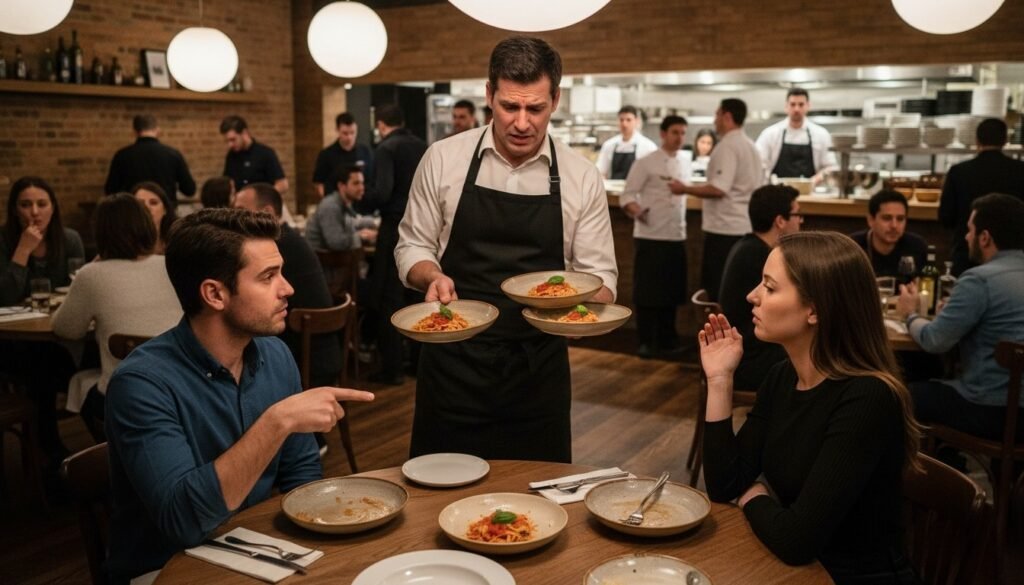
Trying to split just one meal across several plates often feels awkward, particularly when places are crowded. Even slight changes tend to work okay, yet ongoing or tangled requests stretch staff effort – cooks and waiters alike pause to handle them.
Requesting Items “On the Side” for Every Component
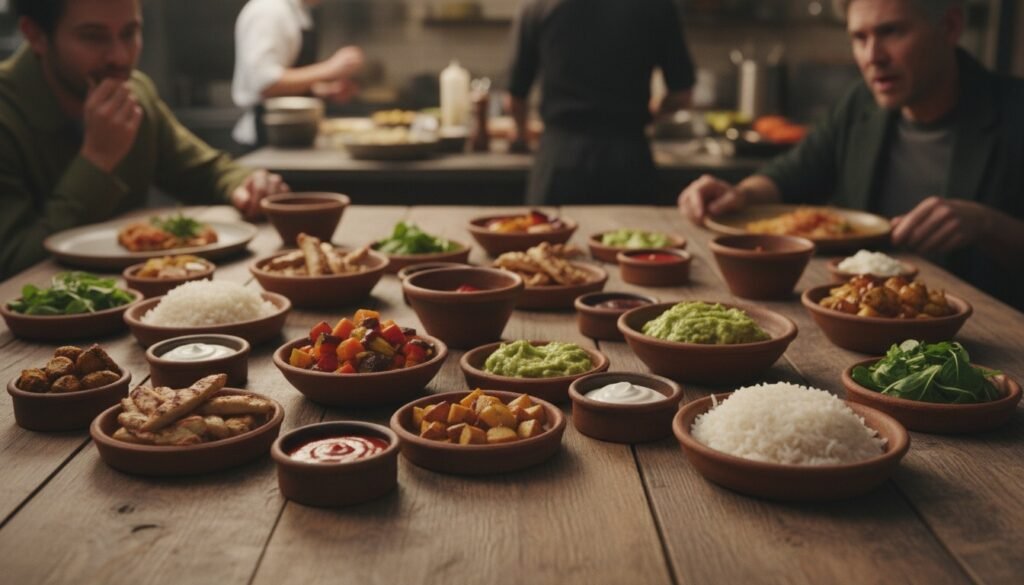
Sure, wanting condiments or extras served apart makes sense. Still, demanding most parts of a meal offered independently might confuse the kitchen workflow. That kind of request could delay service while disrupting both staff rhythm and guests already eating.
