
A gradual shift has been noticed in the way people think of fitness, and 2026 will possibly capture that shift even more evidently. Rather than pursuing extremes, most of them are gravitating towards practices that are realistic, flexible, and more manageable in the long term. Exercises are not about stress but about getting in a good mood in life. Whether it is quick workouts between two hectic schedules or more relaxed methods, which contribute to keeping the mind on track, fitness is increasingly coming to people at their own level. Technology and individual comfort are all contributing to the development of the role of movement in day-to-day activities. They might not be trends that appeal to all people, but they give us a clue of a year where fitness is more human and friendly.
Low-impact cardio
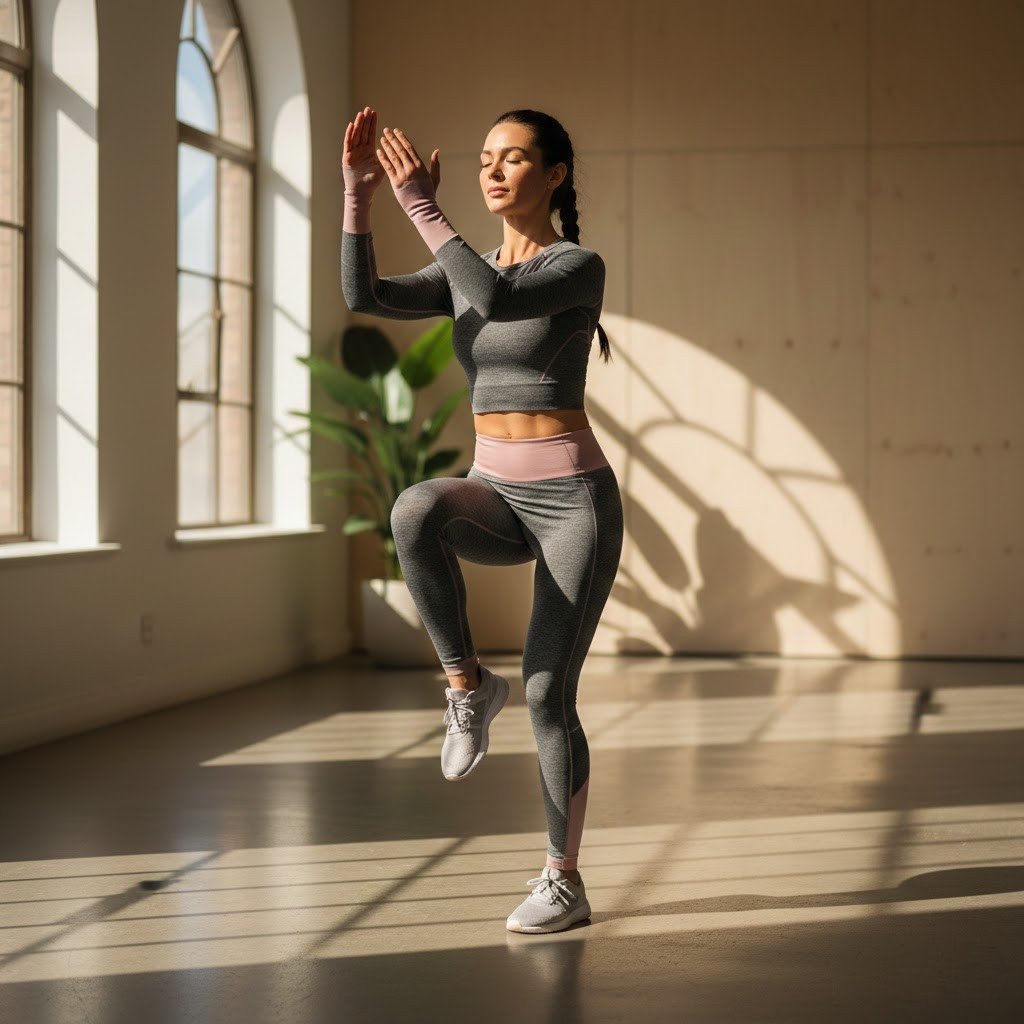
The light types of cardio exercises can also be trending, especially among individuals who have no intentions of damaging their joints. One may find activities such as easy cycling or bodyweight exercises appealing since they raise the heart rate, yet are not meant to be strenuous for the body.
Wearable guided fitness
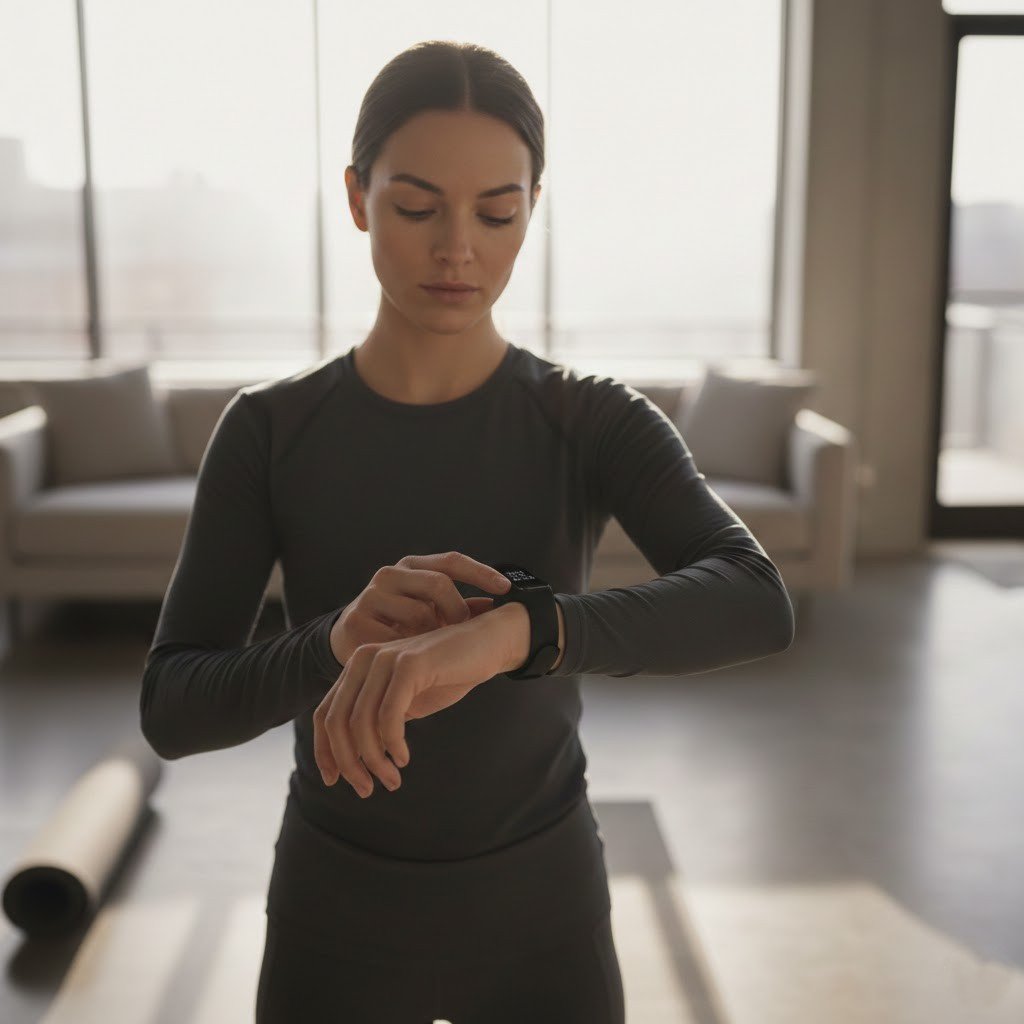
Fitness bracelets could play a larger part, as they provide subtle cues and adaptive advice. Instead of driving hard targets, these tools may assist individuals in observing trends that promote motion that is natural to everyday life.
Hybrid home and gym routines

Many individuals may combine home workouts and the occasional visits to the gym. This is a variable style where one may feel free to be at home and still have the comfort and privacy of being at home but have a shared environment when motivation or access to equipment is needed.
Functional fitness focus
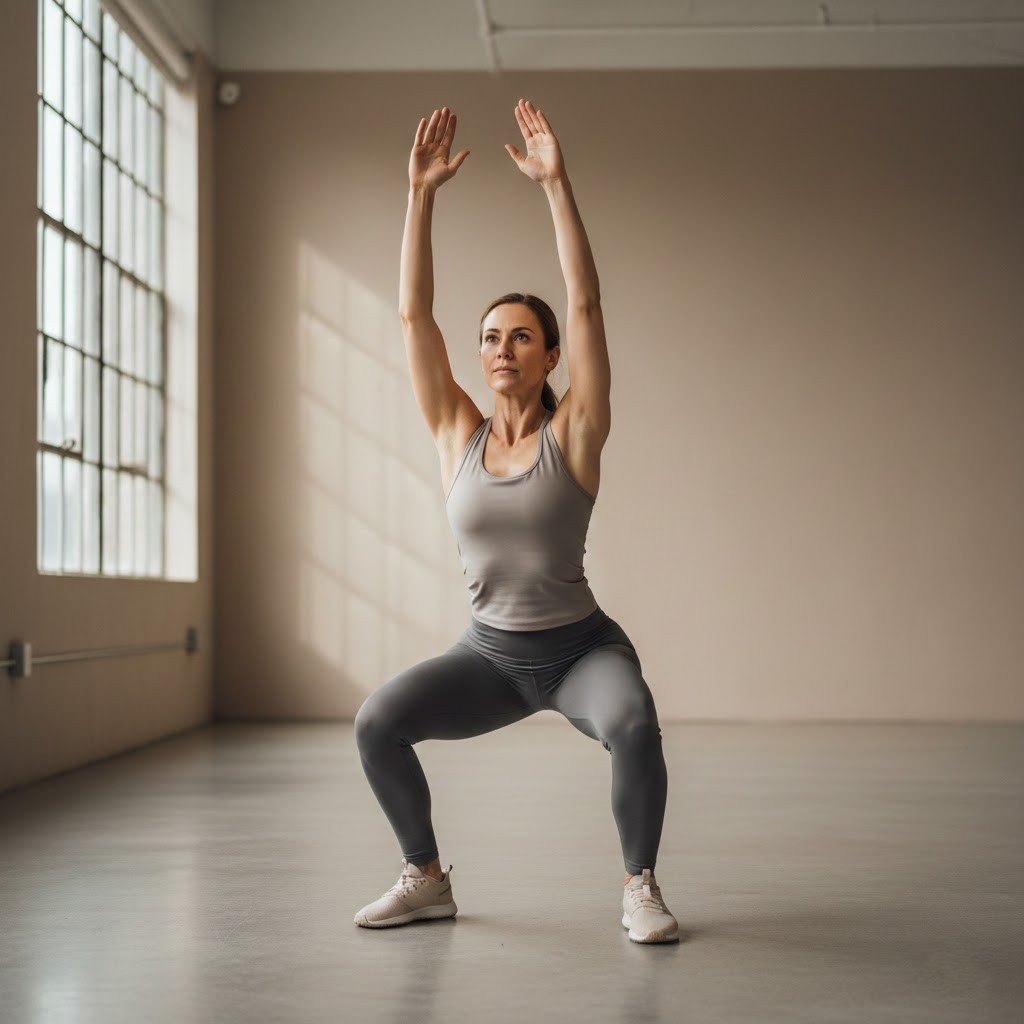
Activities that assist in daily activities can be more applicable. Lifting, reaching, and balancing movements may enable individuals to feel stronger in everyday life, and they will not require high-level skills and hard performance objectives.
Smart strength training
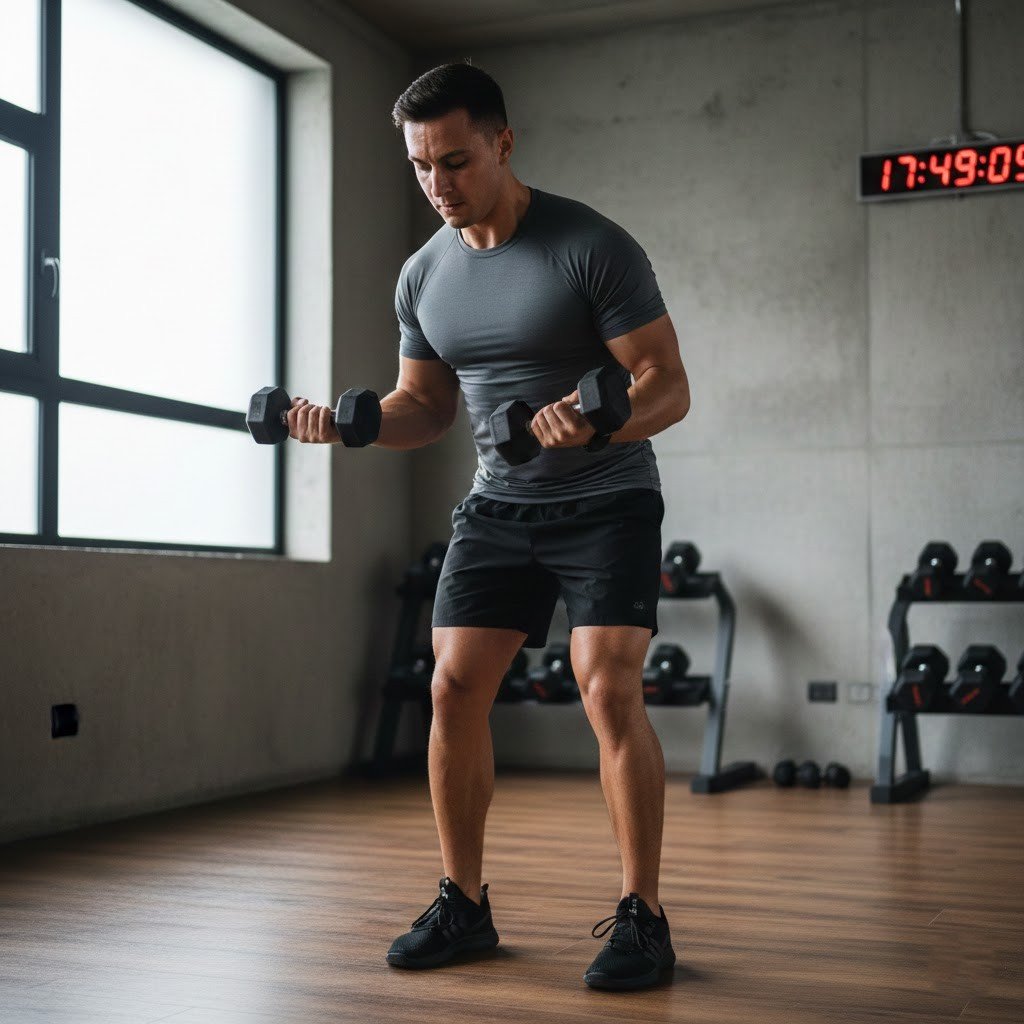
The strength exercises can be further developed with an emphasis on form, balance, and consistent development. Rather than adding more weight every week, most programs may focus on a smaller range of more controlled movements and rest, and strength training may feel much healthier and more lasting for normal bodies.
Recovery as part of fitness
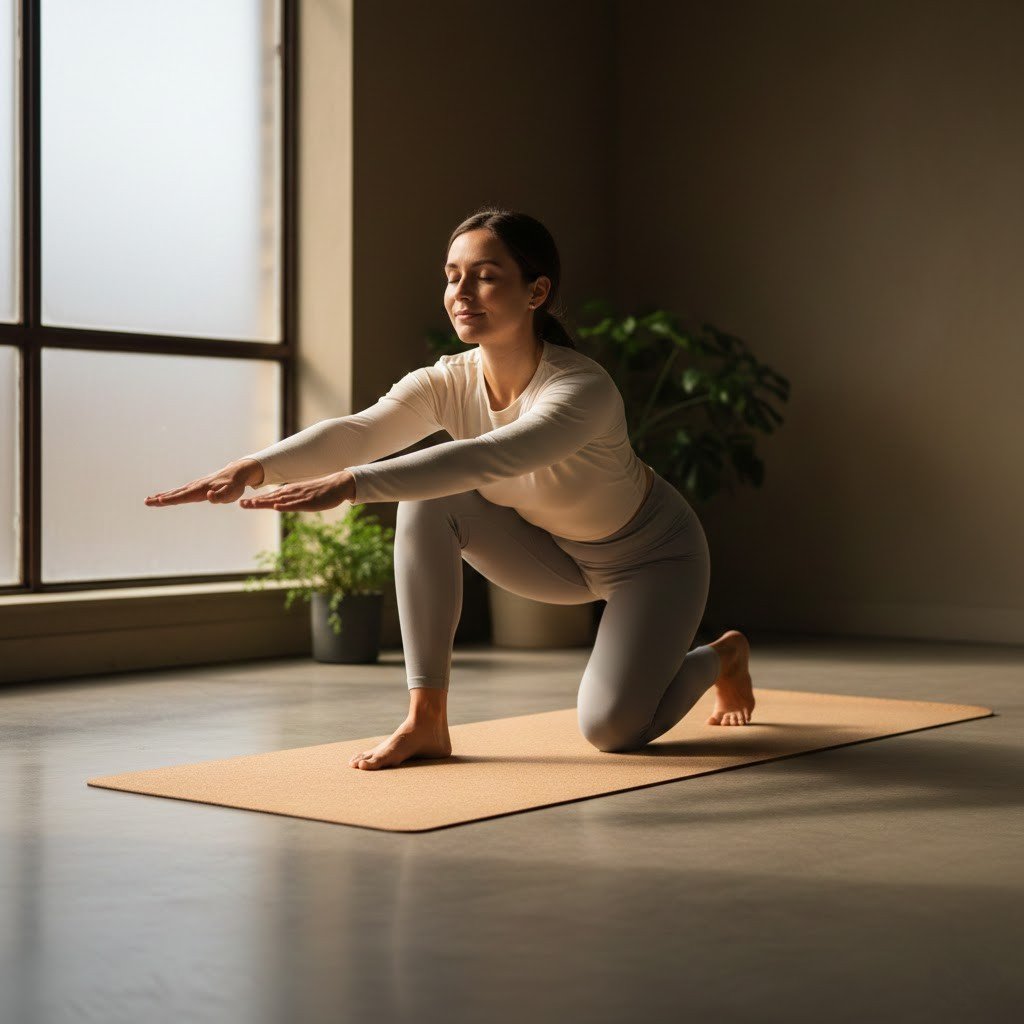
Rest and recovery can be regarded as significant components of fitness programs. Light stretches, activity days, and noise-free rest days would be less controversial, particularly to individuals who are starting to see the advantages of slowing down.
Personalized fitness plans
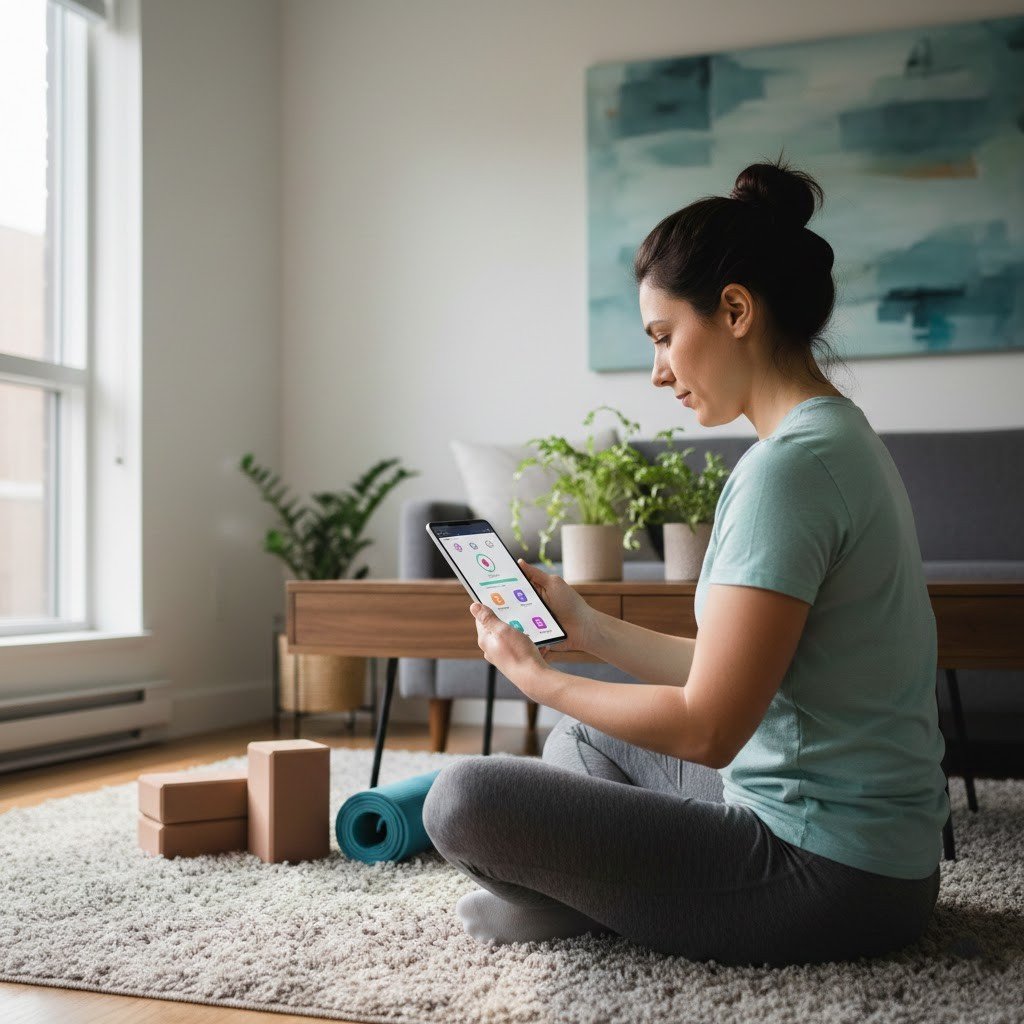
Personalized programs have proven to be more popular because individuals will realize that there is no one-size-fits-all program. Workouts would be more realistic and sustainable by making them according to energy levels, schedules, or preferences of a particular person.
Fitness for mental balance
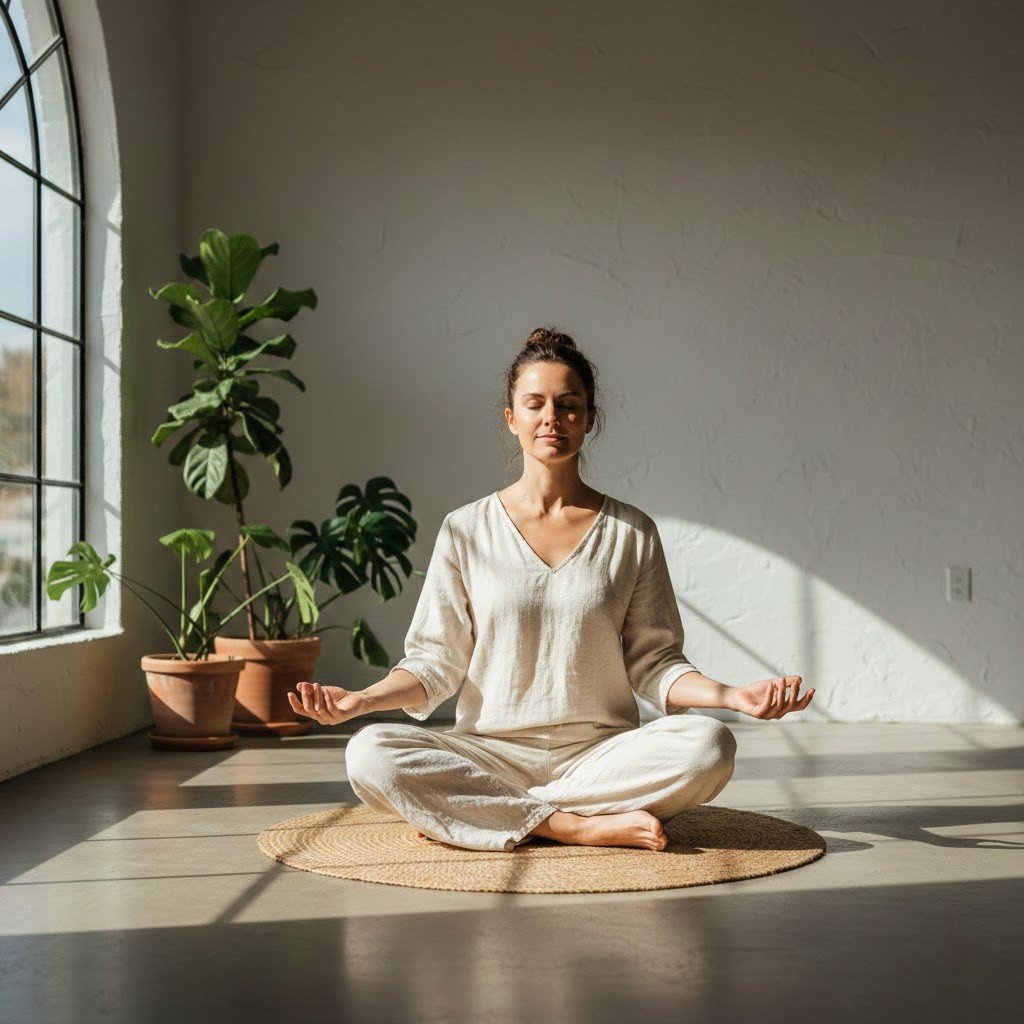
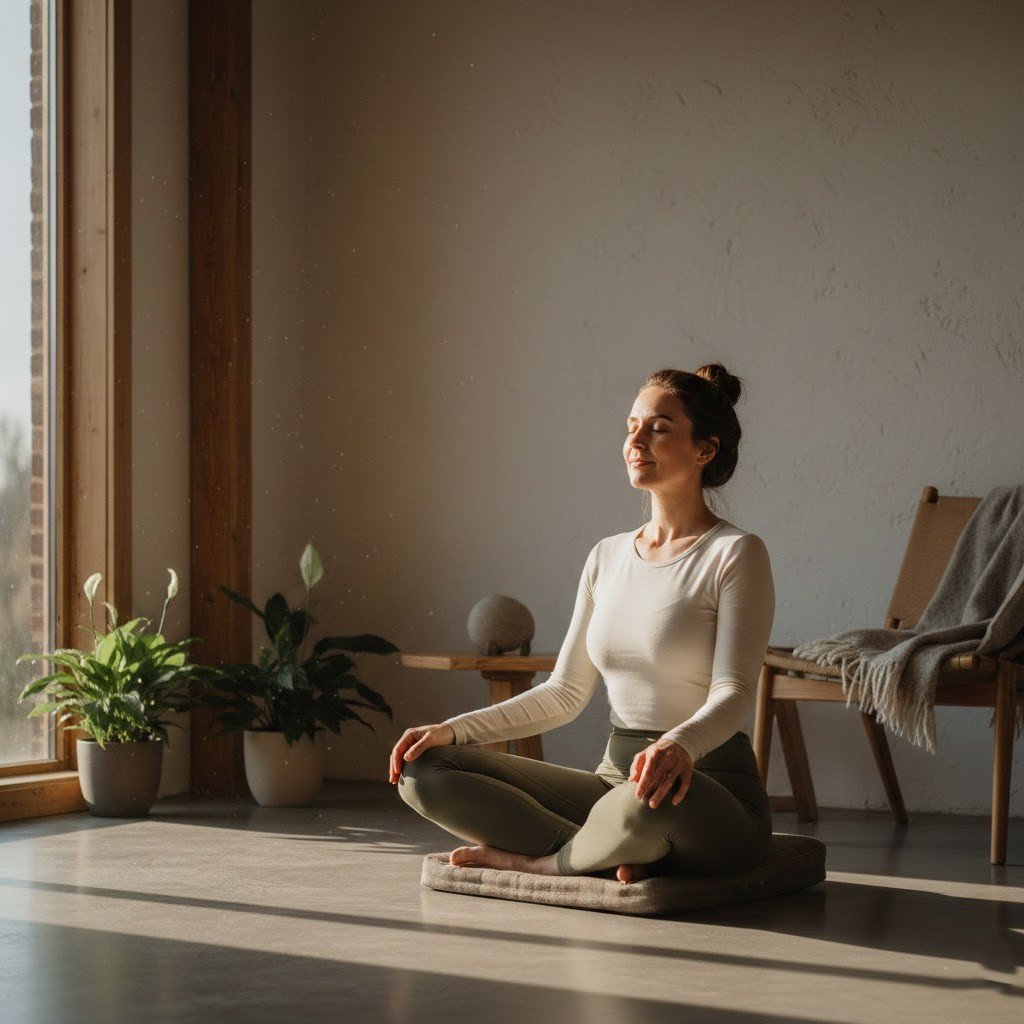
Exercise can be progressively regarded as a means of maintaining the state of mind. Low-intensity and regular physical exercises may help to clear the mind, without having to push to the limit and attain certain performance results.
Short yet regular exercises
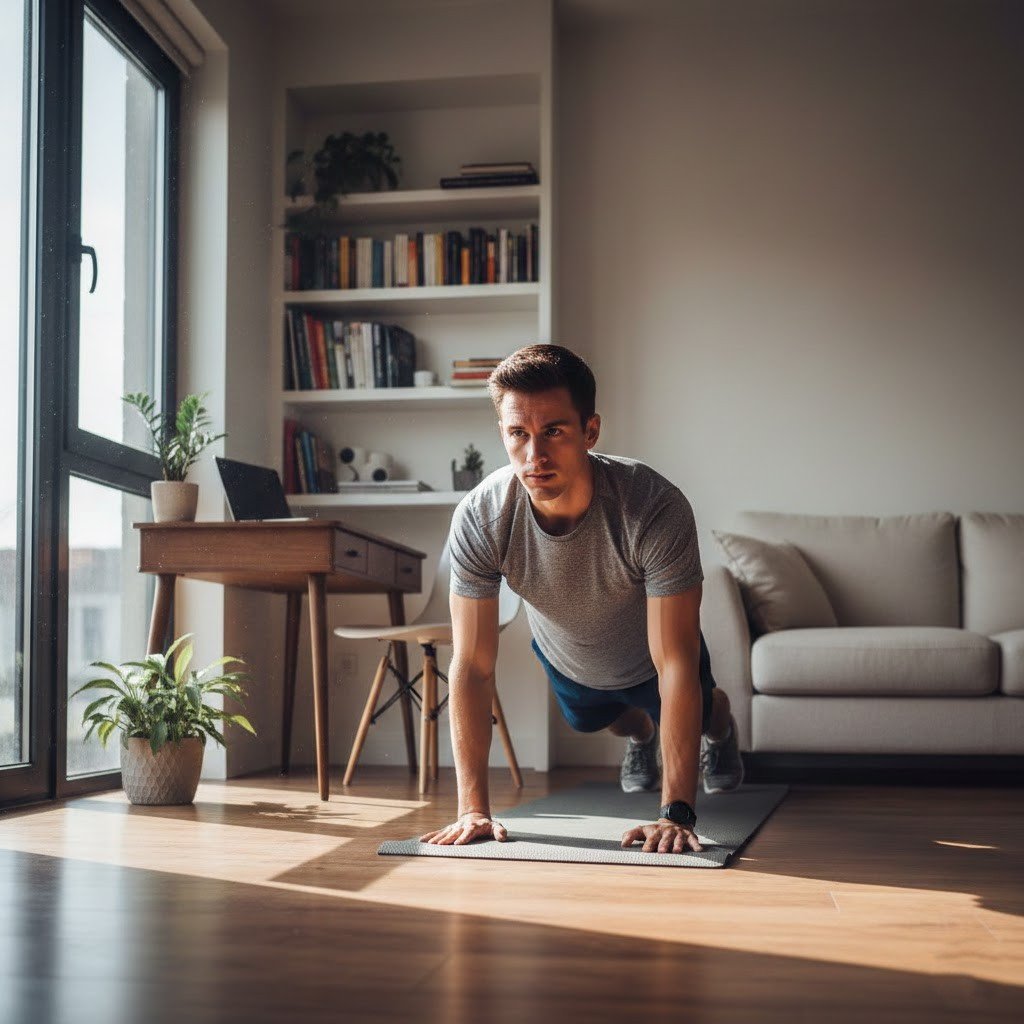
The number of quick workout sessions may be considered popular because busy schedules do not allow spending much time in a gym. It will be more sensible to have ten to twenty minutes dedicated to focused movement, which will allow people to remain consistent without feeling intimidated and guilty about the sessions missed.
Long-term wellness mindset
Fitness can have numerous routines based on a long-term perspective in 2026. Rather than a rush to change, individuals may work to retain the behavior that can be sustained with time to relax, be flexible, and improve gradually.
