
Most teens take risks just to have fun. Doing good for others also ties into wanting enjoyment. These choices often stem from seeking pleasure rather than engaging in deep thought. That urge to jump into something new? It shows up in more than just daring choices. Research from the Netherlands, later supported elsewhere, reveals a surprising pattern: the same energy behind pushing limits also fuels helping others. Instead of seeing boldness and kindness as separate, it treats them as twin sides of one habit: loving what feels thrilling. When young people act, they often weigh pleasure closely, whether by pushing boundaries or rushing to support someone they care about. Finding answers in psychology papers, recent brain research updates, plus talks by professionals helped make sense of what goes on during these years. Seven things stand out – each showing teens aren’t just changing, they’re being shaped in complicated ways.
Fun-Seeking as the Common Driver
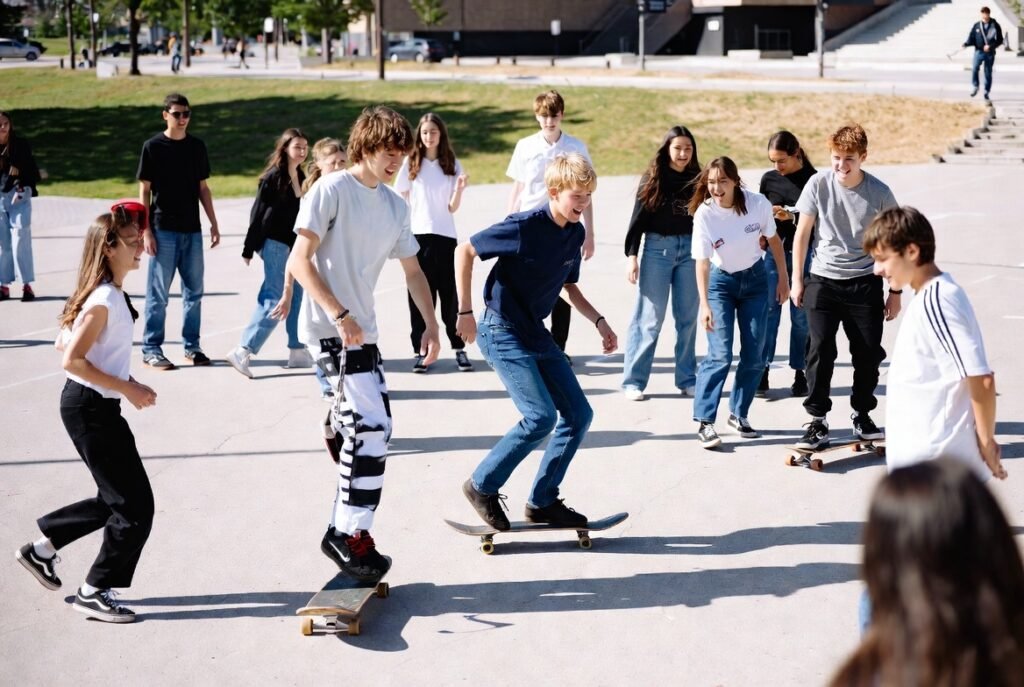
What stands out from the Leiden University and UNC research? Fun-loving tendencies link to bold choices and helping others. Over years, growing these habits brings more of each. Not labeled as risky or virtuous – just appetite for excitement. Brain routes it where situations demand.
Brain Changes Make Rewards Feel Huge
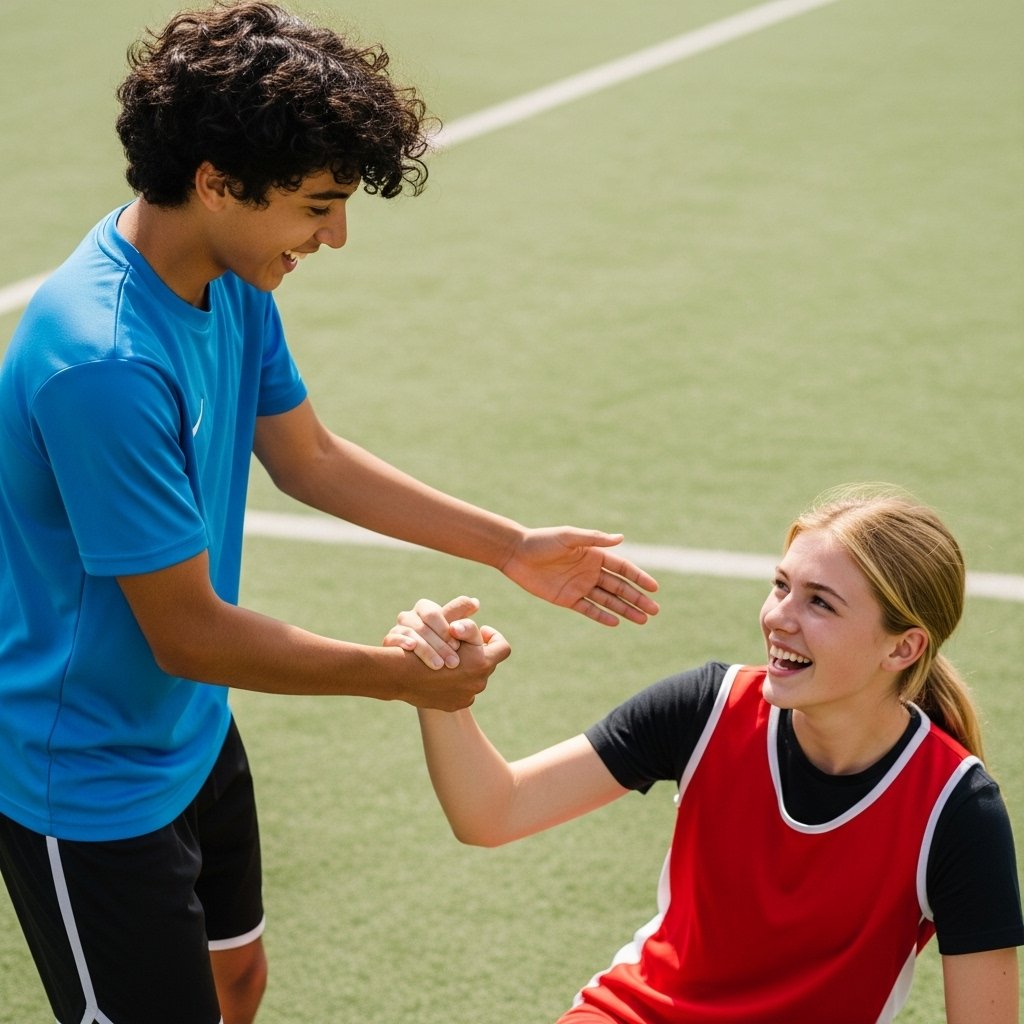
During teenage years, parts of the brain tied to reward – like the ventral striatum and nucleus accumbens become more responsive to dopamine. Things like helping someone or trying something bold spark strong pleasure in teens far more than in younger kids or grown-ups. Doing good might give the same rush as doing something daring, since both trigger that dopamine surge. This shift turns helpful actions into thrilling experiences.
Empathy and Perspective-Taking Boost the Prosocial Side

What drives risk-taking isn’t the only thing at play. Growing empathy, along with deeper understanding of others, tends to strengthen helpful actions. This work showed that higher empathy now and longer-term gains in seeing things from another’s angle – both link to more assisting behavior. So while seeking excitement matters, so does real concern for people.
Adolescence as a Window of Vulnerabilities and Opportunities

This idea goes by “differential susceptibility.” Curiosity amplifies how teens react to surroundings. When places are dangerous, outcomes can go wrong yet helpful settings bring actions such as standing up for friends or joining local efforts. Unpredictability marks these years, still hidden within lies potential for strength.
Peer Influence Amplifies the Fun Factor

Friends make everything hit harder especially good kinds of danger, like speaking up or stepping in. When young people chase excitement, they blur lines between bold moves and kind acts, pushed by ties to others or a need to be seen.
Reframing the Teen Stereotype
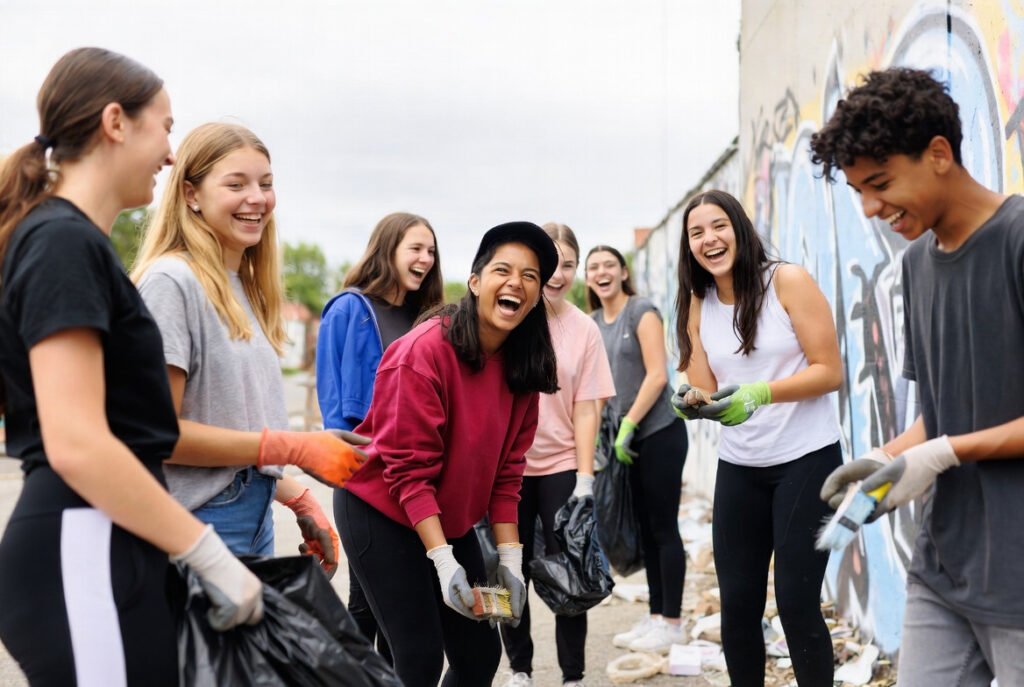
Teens aren’t just trouble by another name this idea peels back layers. What looks like a craving for drama might actually be survival instincts for discovery and change. Guide it wisely – via teams, causes, or guiding peers – and strength, empathy, and connection grow from it. Youth brings danger, sure, yet also openings: moments where energy lifts communities.
