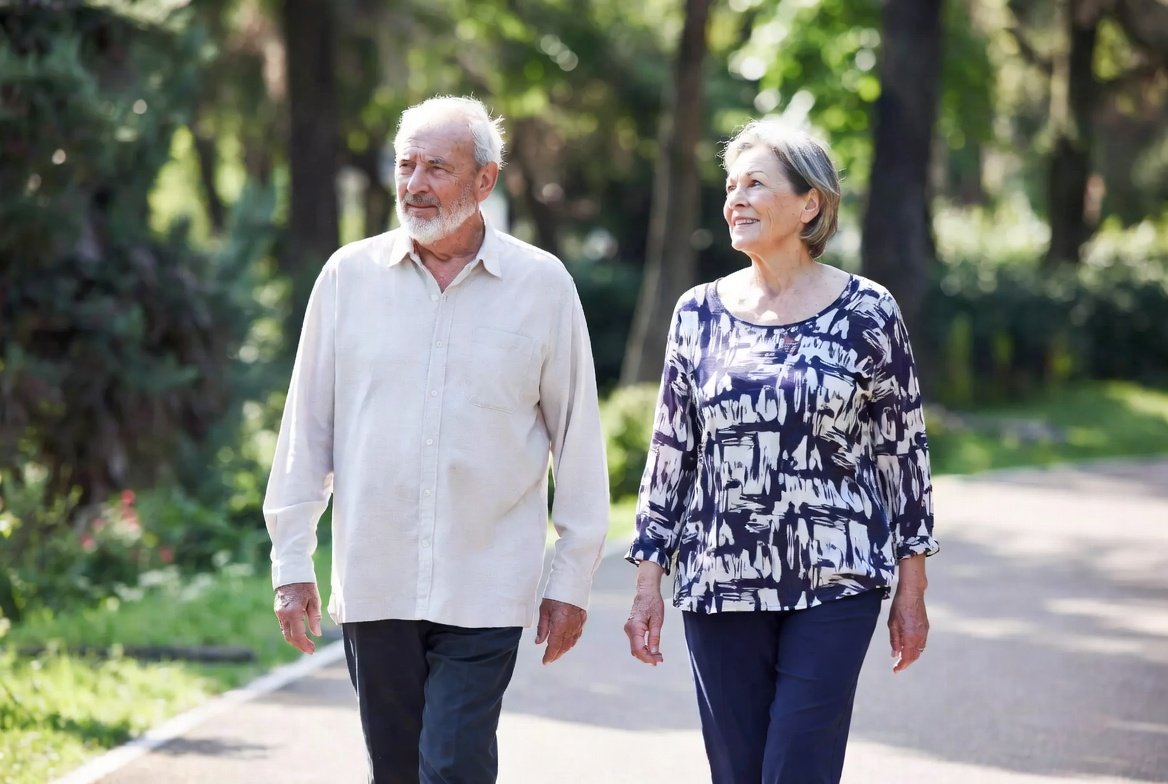
An Introduction to Strength, Balance, and Gait. These are the three keys to ensuring that older adults are independent and can enjoy a quality life. Exercise, among other things, guards the elderly from falling down; keeps muscles healthy while protecting bone density; and increases heart and also brain health. The different forms of exercise make a difference in reaching that exercise goal because the aged body cannot react uniformly to some exertions done. Some are beneficial for longevity and stability, but others can overstress joints or lead to injury among individuals who may not have adequate physical conditioning to withstand them. Safe and effective movements in terms of daily functions should be given priority. Above all, safe and effective movements will ensure that older people are active, resilient, and confident.
Best: Walking and Brisk Walking

Walking is the best and the most permanent physical activity for older people, apart from its being the safest. It’s very easy to manage the intensity of this exercise, develop the legs, lead to cardiovascular fitness, and maintain joint flexibility. Generally, brisk walking would be an extension of endurance where it could be continued if tolerated. So it is with walking, one of the least exhausting but still very high yielding activities in terms of longevity.
Best: Controlled Resistance

Resistance has a centre stage in preventing muscle loss due to aging and enhancing bone density. Weight training using light dumbbells, exercise bands, or even body weight comprises the functional strength that is necessary to perform daily activities such as getting up from a chair, carrying groceries, or climbing stairs. Heavier loads may not be necessary now since every type of exercise should always focus on controlled progressive movement.
Best: Balance Exercises Using Tai Chi or Single-Leg Stands
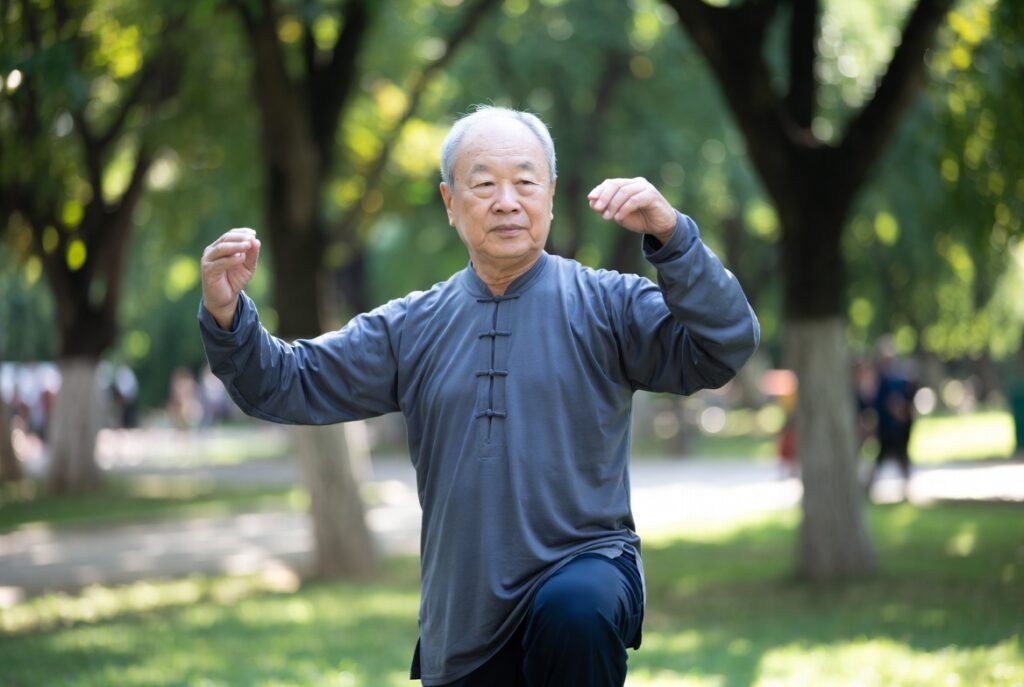
Falling due to imbalances is evidently some of the greatest threats to the health of the elderly. In rehabilitation of falling reflexes, stability muscles around the ankle and hip are integrated too by Tai Chi, heel-toe walking, and single-leg stands. Therefore, practicing these exercises regularly will be a major improvement toward movement stability and confidence.
Best: Flexibility and Mobility

Stiffness is our next worst somewhat independent deterrent. Stretches and mobility exercises practiced integrated slowly and gently into chair and slow-flow yoga are anticipated to lubricate joints and increase the ability to also postulate. Regularly practicing flexibility aids in achieving a good range of motion to counter ache and enhance activity execution.
Best: The cardiovascular activities

A low-impact swimming-water aerobics-cycling-elliptical program builds cardiovascular fitness to improve heart function while protecting aging joints. These low-impact activities limit injury greatly, allowing older adults to do something toward their cardiovascular fitness and longevity.
Worst: Jumps

Hard Impact Jumps/Change of Direction Jumps with hard impacts and changes of direction put stress on joints and bones that can sometimes cross the danger threshold on hard surfaces. The by-product of high-impact activities, therefore, is fracture risk, further impinging upon the health of elderly joints. Usually, this threat becomes more lethal, nullifying all benefits if an older adult has not undergone specific conditioning for the sport.
Worst: Heavy Weights Without Supervision Heavy weightlifting

without a professional trainer is very dangerous for older adults, putting them at risk of serious muscle strain and joint injuries. A much better way for a senior to help build strength is moderate resistance exercised with perfect form, rather than attempting to lift a heavy load.
Worst: Advanced Balance Therapy
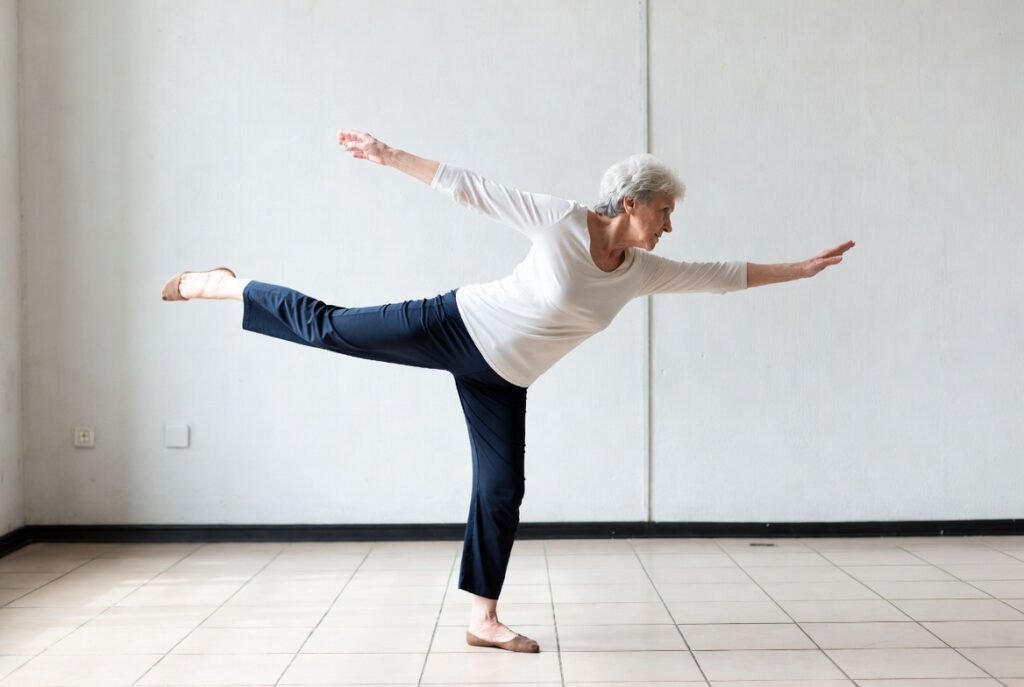
Without a Safety Net Although beneficial, balance therapy may put an older person at risk if it is performed on a target surface or above ground without an adequate safety net (mindfully placed wall or nearby chair). Excessive challenging without progression to balance may create immediate high fall risks, actively leading to injuries related to its prevention.
Worst: Fairly Heavy Cardio

The intensity of the workout, which at times may stress the cardiovascular system and joints due to lack of prior conditioning on part of the organism, needs to be raised to at least those levels that application of exertion heart rate perception may become somewhat difficult. While moderate cardio presents some health benefits that do not burden the heart unnecessarily, it is inherently safe and sustainable.
Worst: Other Sedentary Behaviours
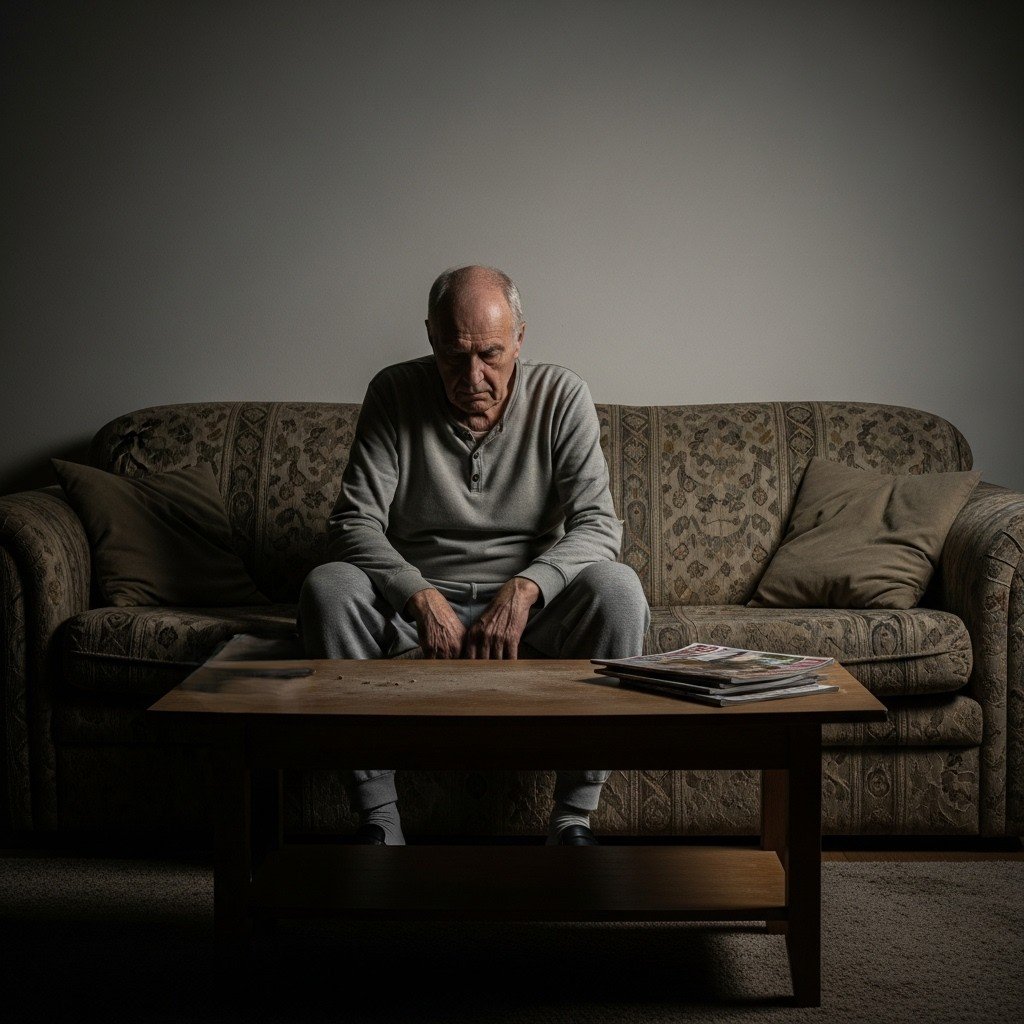
If anything could be negatively defined, it is inactivity. Lengthy inactivity produced muscular weakness and poor balance, leading further to degeneration. Among all significant hazards to longevity, inactivity manifests as the greatest threat. Any movement done in the safest manner is far better than absolute stillness.
