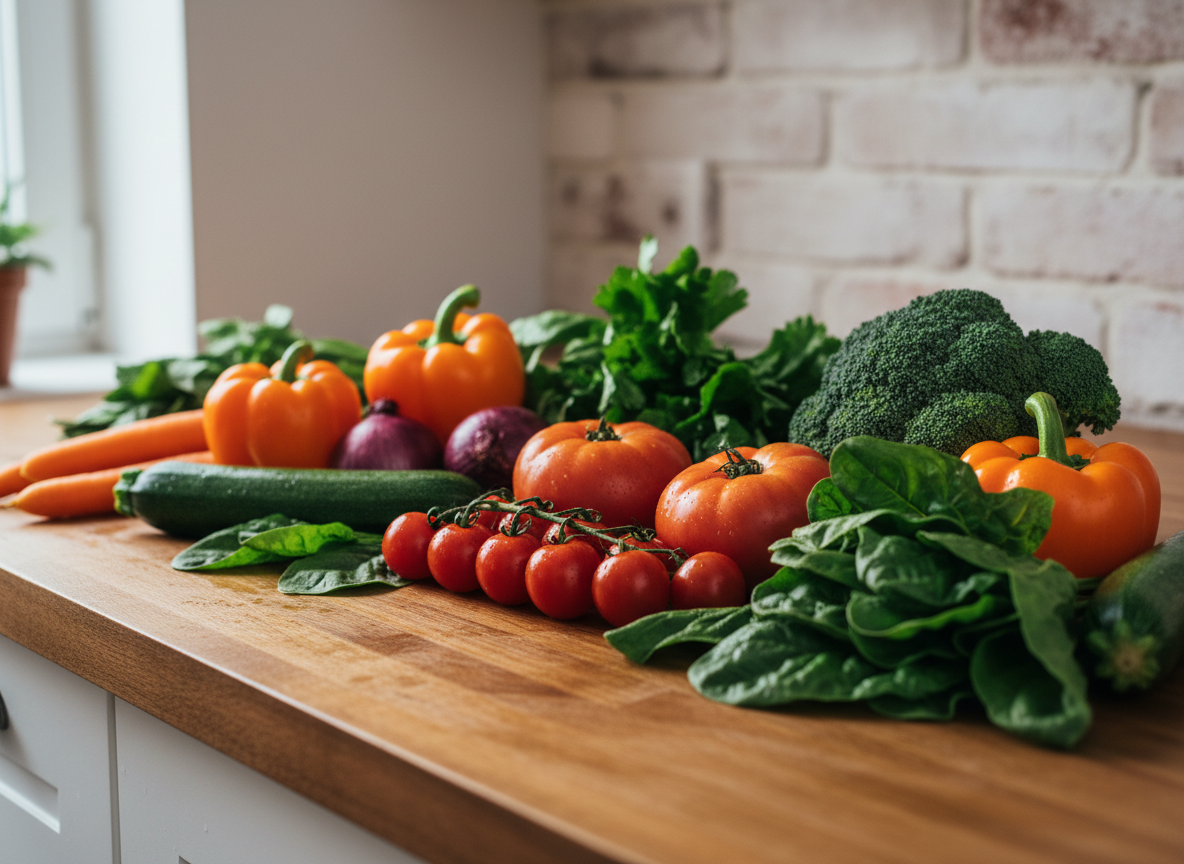
It is a well-known fact that vegetables are beneficial for our health and eating them raw is not always the best option. In fact, in some cases, cooking can release more nutrients which the body can then absorb easily; in other words, antioxidants are increased and bioavailability is better. I visited numerous health websites and read several nutrition forums to list the vegetables that always come up in expert opinions. Here are five standouts that level up when you heat them up. Time to fire up the stove!
Tomatoes

Fresh tomatoes are fantastic, however, their cooked version in any form, like sauce, roasted, or stewed, massively increases lycopene, that mighty antioxidant which is associated with heart health and lower cancer risk. The heat destroys the cell walls, thus making the absorption much easier.
Spinach
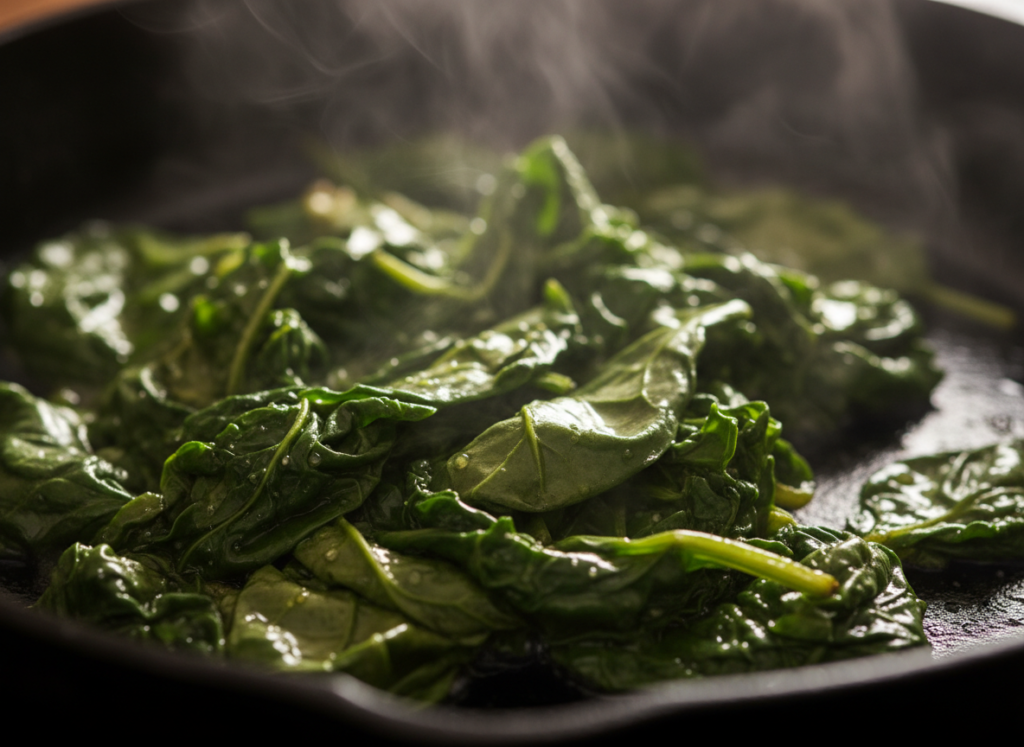
Spinach is full of iron and calcium, has oxalic acid that can block absorption when raw. A quick sauté or steam reduces that, letting your body grab more minerals. Plus, cooking shrinks it down so you can eat more volume which is a win-win for nutrient intake.
Asparagus
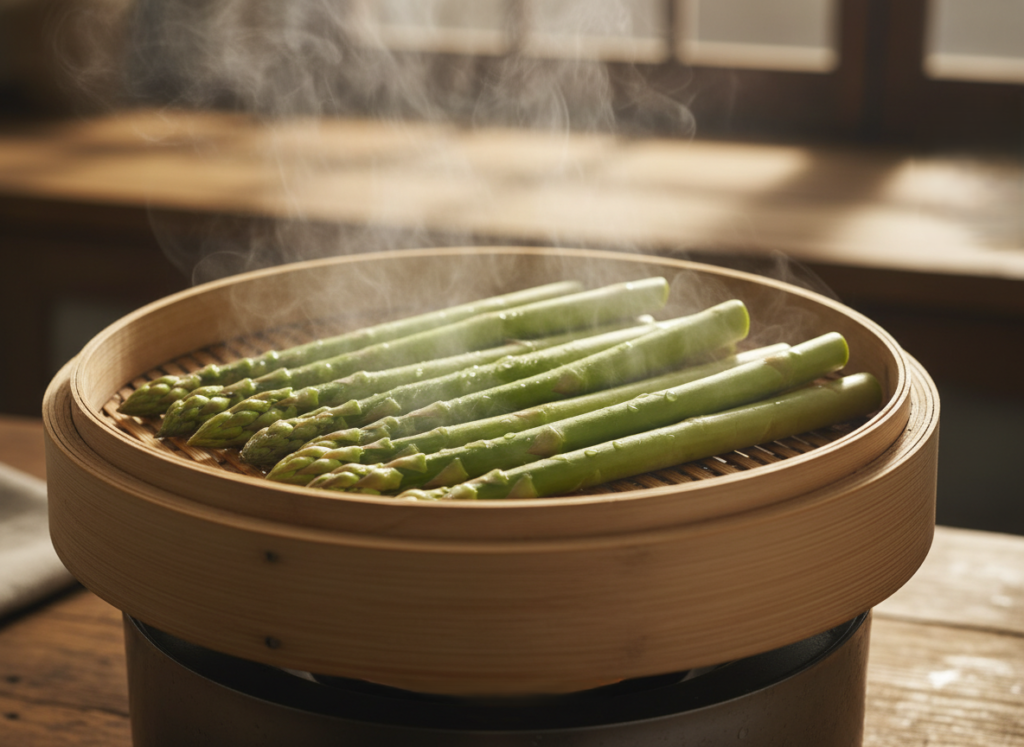
This veggie releases more vitamins A, C, E, and folate when cooked, as heat rift down fibrous walls. Steaming or roasting preserves the most goodies, and it ramps up antioxidants that fight cell damage. Raw asparagus is tough anyway – cooked is the way to go.
Mushrooms

Cooking mushrooms unleashes ergothioneine, that is a unique antioxidant that protects cells, and makes nutrients like niacin and zinc more available. It also neutralizes any mild toxins in some varieties. Sautéed or grilled? So much better than raw for flavor and health perks.
Broccoli
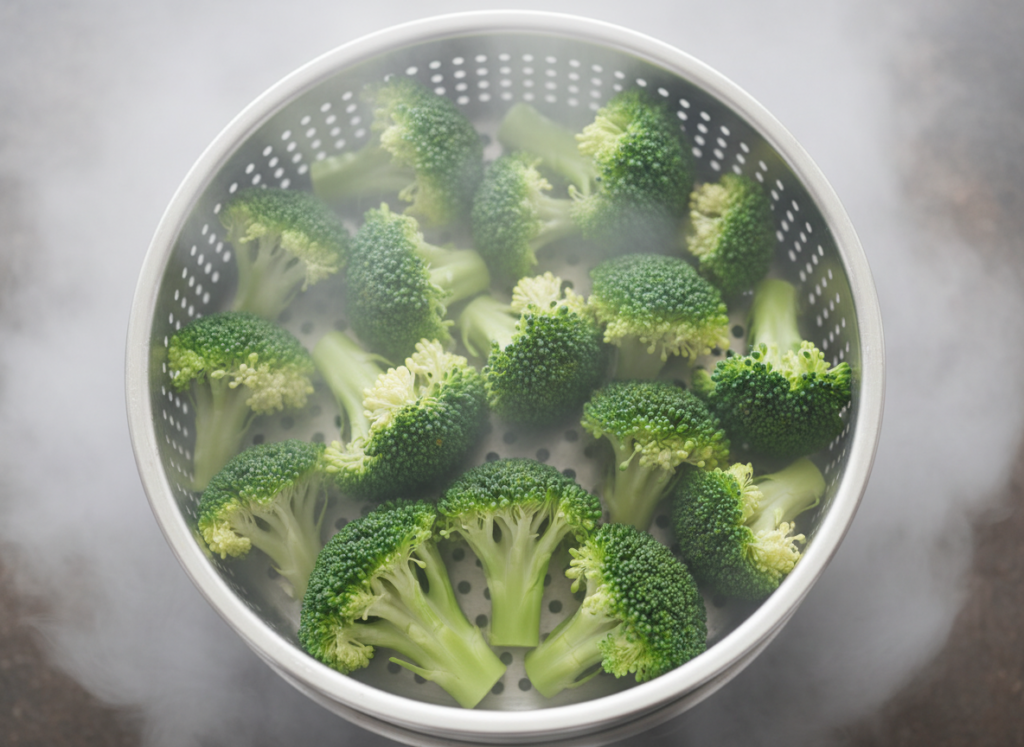
This chunky green vegetable contains a lot of sulforaphane, which is a substance that prevents cancer, but light steaming cooking makes it more available for absorption in the body by stopping an enzyme that prevents it. Cooking it quickly increases its benefits without losing much vitamin C.
Bell Peppers

Heat ramps up the antioxidant levels in bell peppers, making vitamins A and C more absorable while breaking down cell walls. Roasted or grilled, they release more carotenoids for eye and skin health that is way better than raw, where some nutrients stay locked in.
Kale
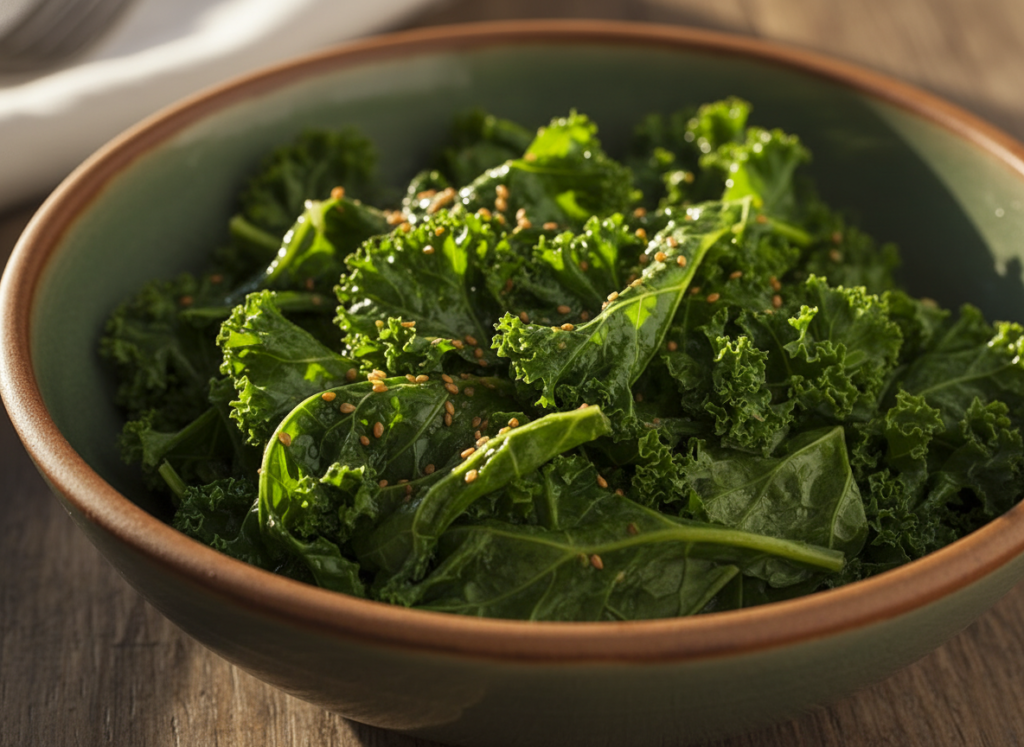
Raw kale, similar to spinach, contains oxalates that prevent the absorption of calcium and iron, but a quick massage or steam can eliminate this problem to a great extent. Cooking also causes the hard leaves to become softer, thus liberating the nutrients like vitamins A and K for easier absorption, but not draining them completely.
Green Beans
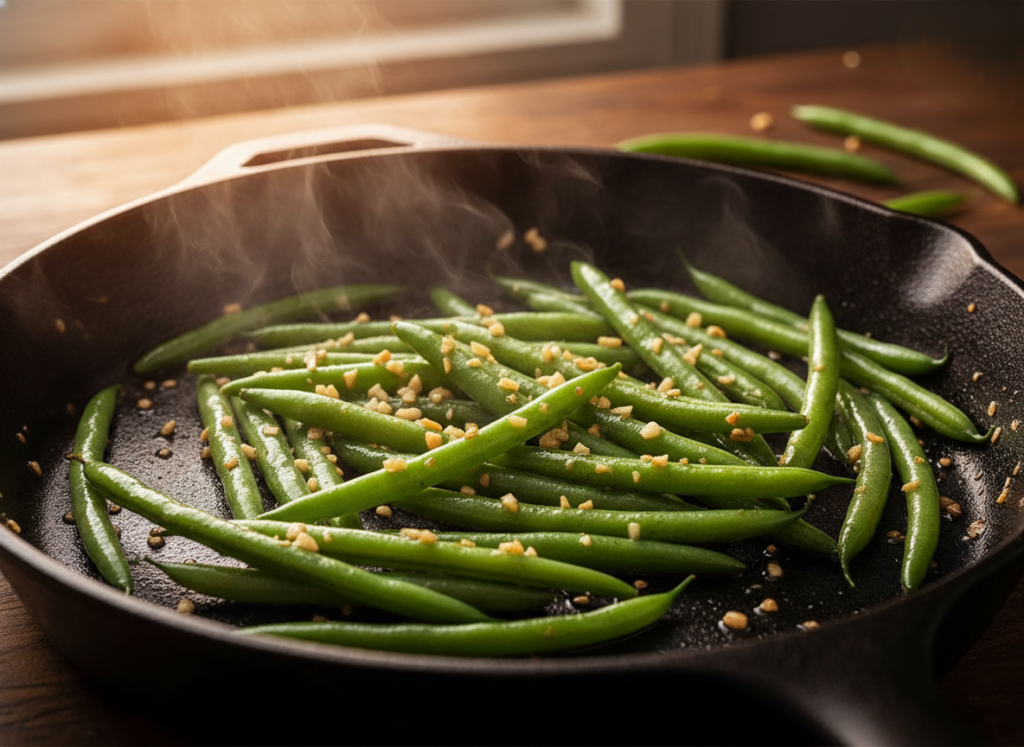
Baking, steaming, or sautéing green beans increases antioxidant when compared to boiling. Heat makes lectins (mild toxins in raw beans) safe and improves absorption of vitamins like A and C – forum nutrition buffs say lightly cooked keeps the crunch with extra perks.
Brussels Sprouts
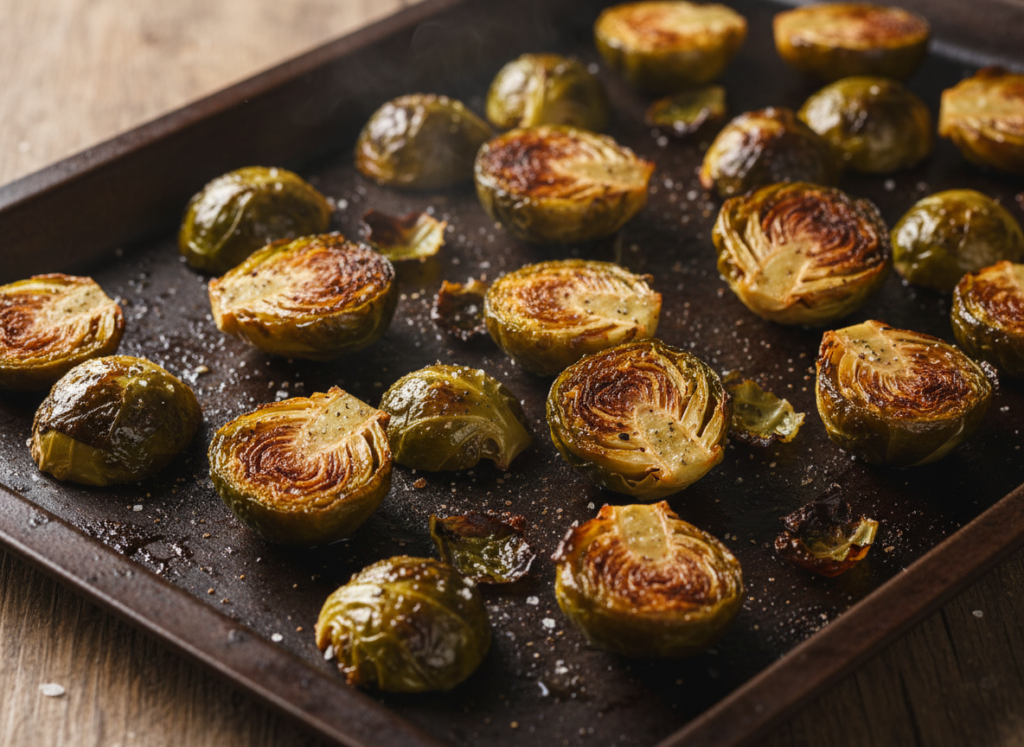
Roasting these tiny cabbages will not only make them very sweet but also very delicious, and will increase the quantity of the anti-cancer glucosinolates significantly. Eating them raw may cause one to experience bitterness and flatulence, but the heat will remove the bitterness and increase the vitamin and fiber digestibility.
Pumpkin or Winter Squash
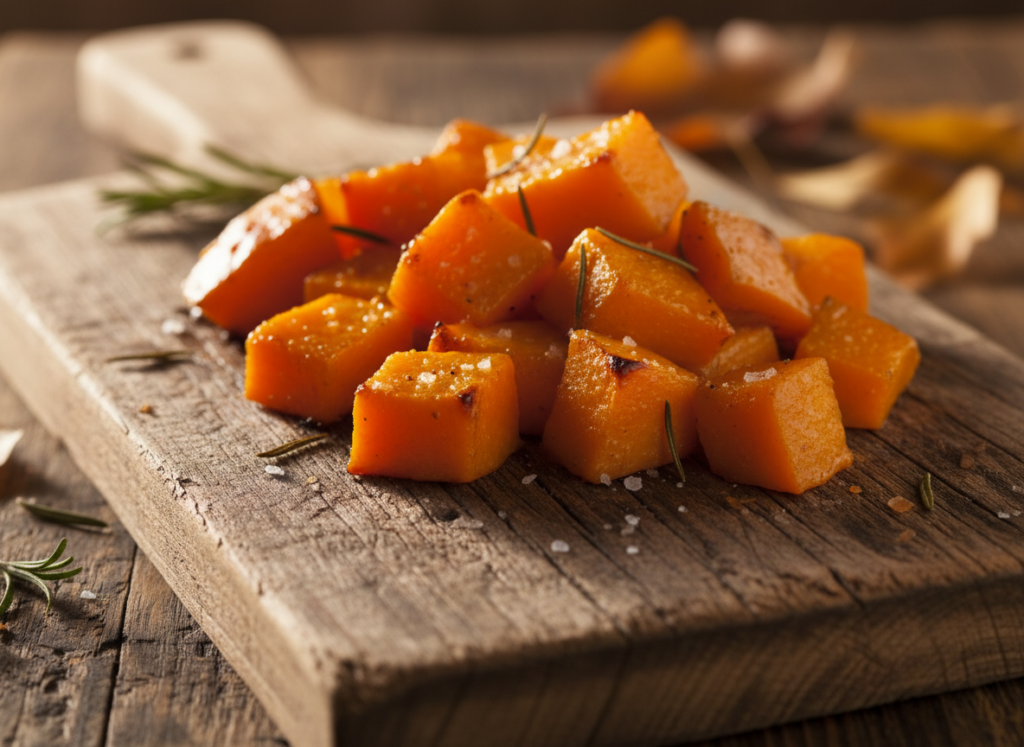
The cooking process of pumpkin transforms its starches into carbohydrates that are easier to absorb, therefore, making the pumpkin a better source for beta-carotene that helps to boost the immune system. The present antioxidant intake from pumpkin, whether it be steamed or roasted, is more than that of raw, which is also hard to digest and tasteless.
