
Financial difficulties are not always indicated by bank statements, as they may sometimes be visible in the house in a very straightforward way. A corner full of useless things, wide-open spaces on the shelves, or unopened letters stacked one on another, do not need to be whispered but can be talked about loudly through any debt discussion. Relying on people’s real experiences that they shared on platforms such as Quora and also citing recent articles where people openly talk about their ability to recognize financial red flags in their friends’ or family members’ homes, the following list of 10 items is the most revealing indicators that a person is in serious financial trouble. If you happen to see quite a few of these during your visit, then it might be the right moment for a soft check-in; no judgment, just help.
Piles of Unopened Mail and Bills
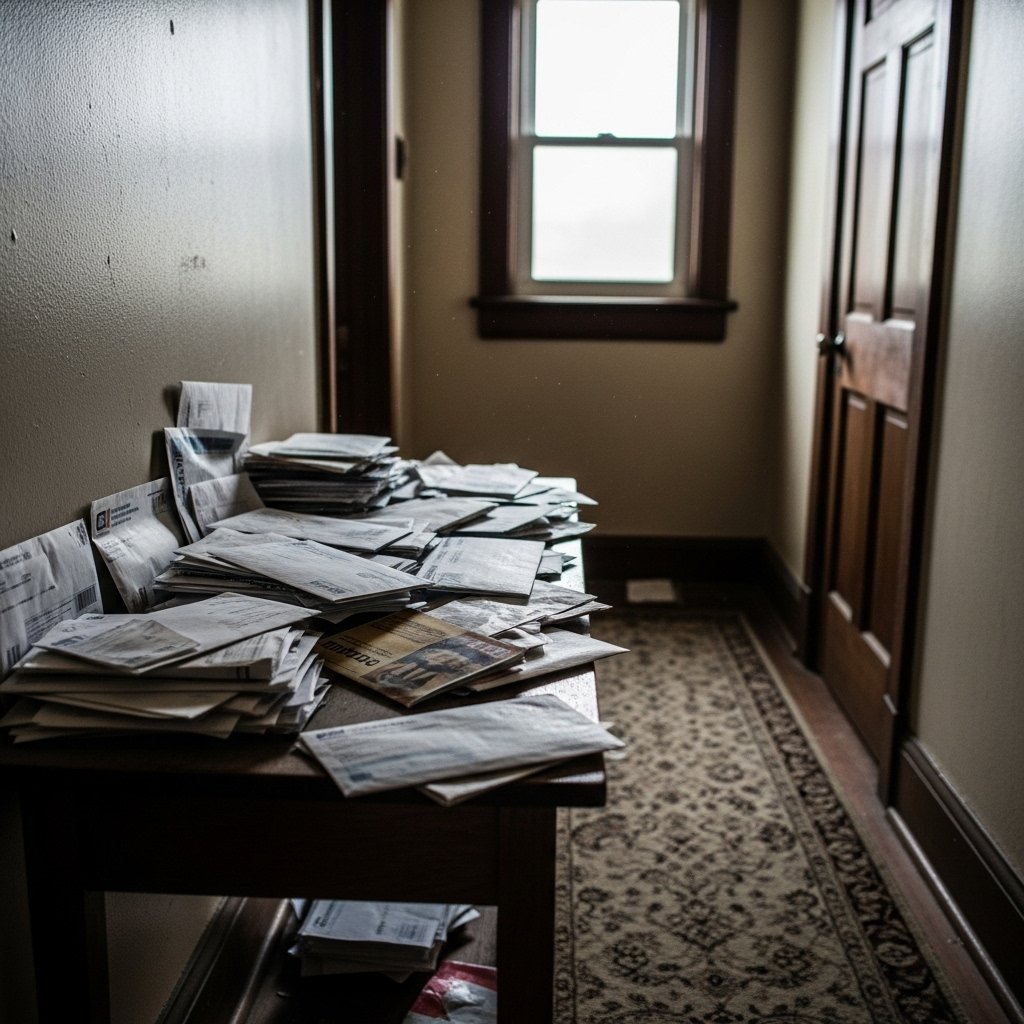
An envelope heap covered with dust in the kitchen counter or hallway table is considered one of the main indicators. Persons undergoing financial problems usually do not open bills as the fear of being caught is strong, and they await the turning of things around.
Empty or Bare Pantry and Fridge
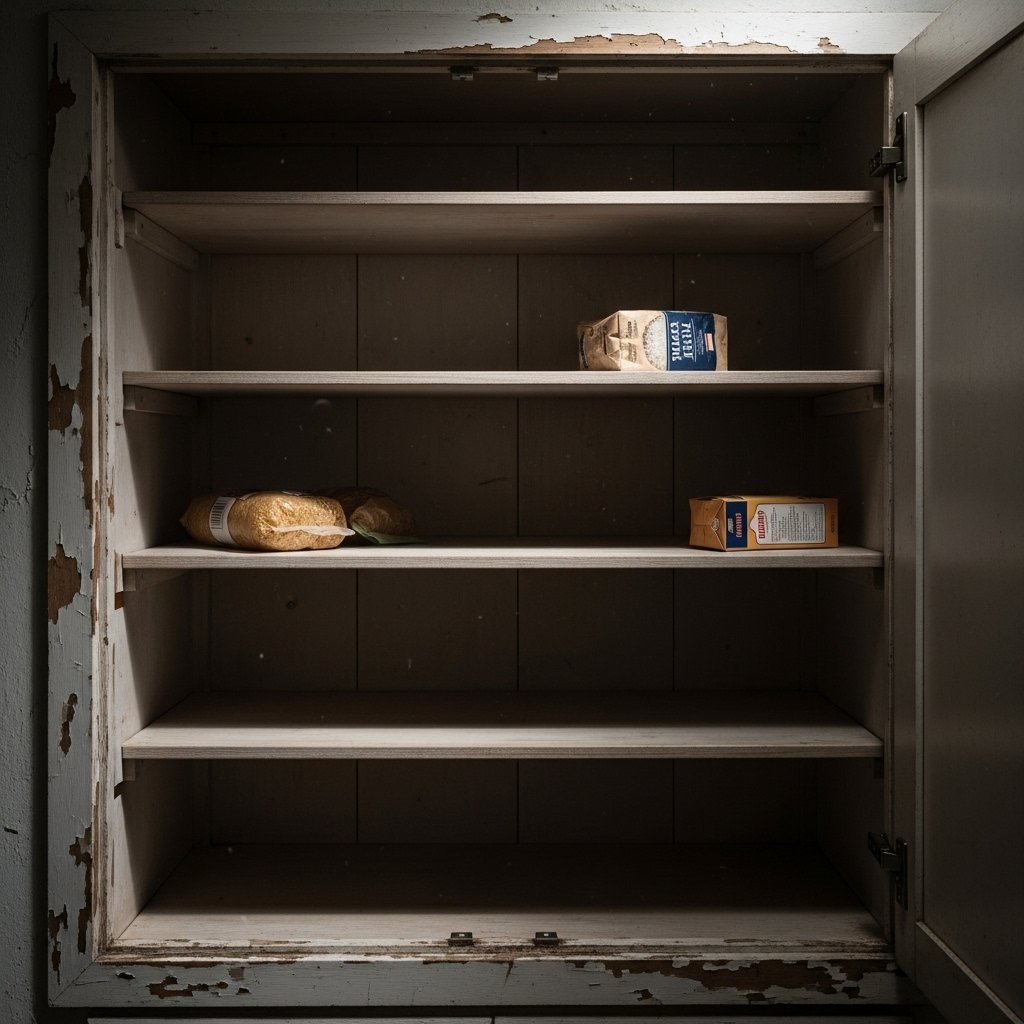
When essentials such as toilet paper, paper towels, and laundry detergent are out of stock or are being rationed till the last drop, it is a sign that money is very tight for replenishment. A lot of people say that they have seen their friends also avoiding grocery shopping or feeding on the remaining stocks, making the most of every cent.
Unopened Boxes and Return Piles

A corner filled with Amazon boxes still taped shut or items waiting to be returned for refunds screams impulse buying followed by regret. Folks on Quora describe this as “buyer’s remorse in physical form,” overspending to feel better, then scrambling to claw money back.
Bare or Unfurnished Rooms
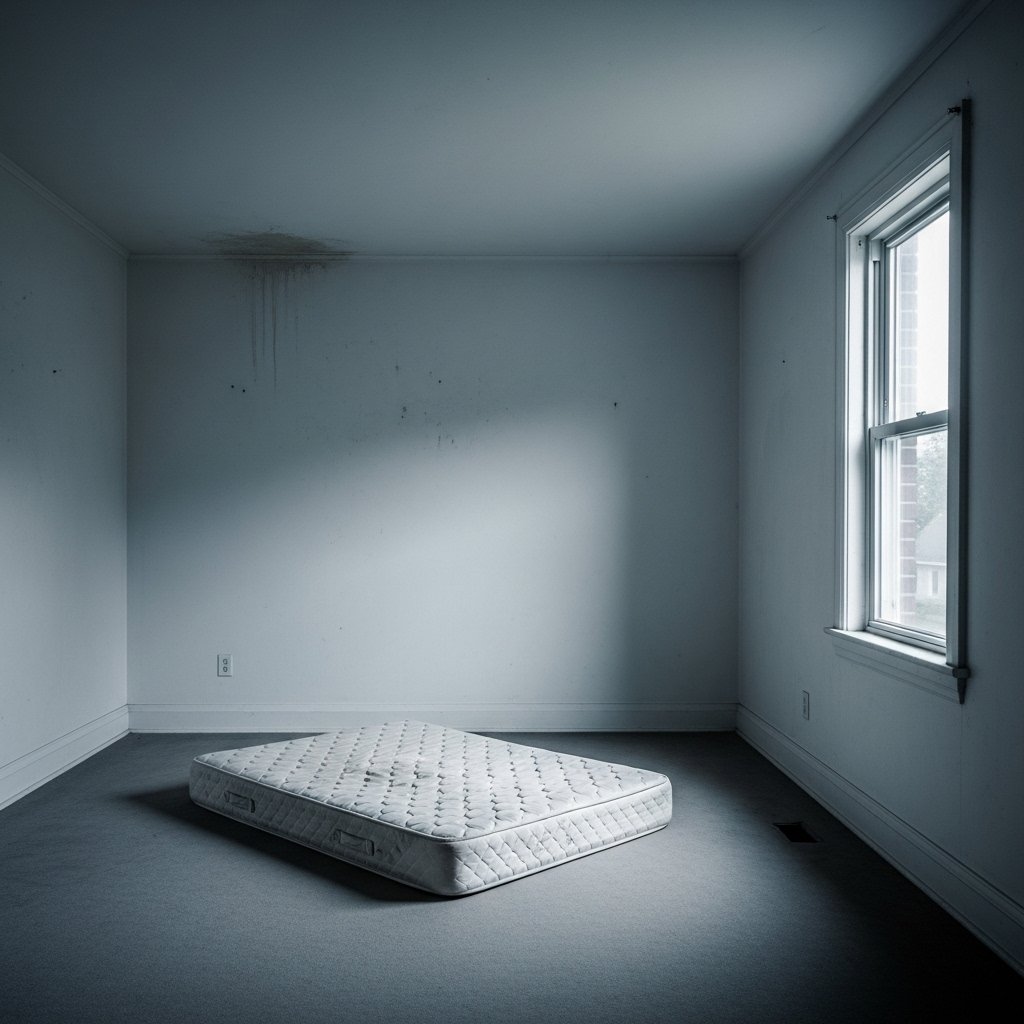
Bare of all furniture except a mattress on the floor, no couch, or empty bedrooms tells that the furniture has been sold off or never bought for lack of money. It is often mentioned by travelers and visitors how uncomfortable it is; the very feeling of not having a proper home keeps one isolated.
Expired Food and Old Takeout Containers
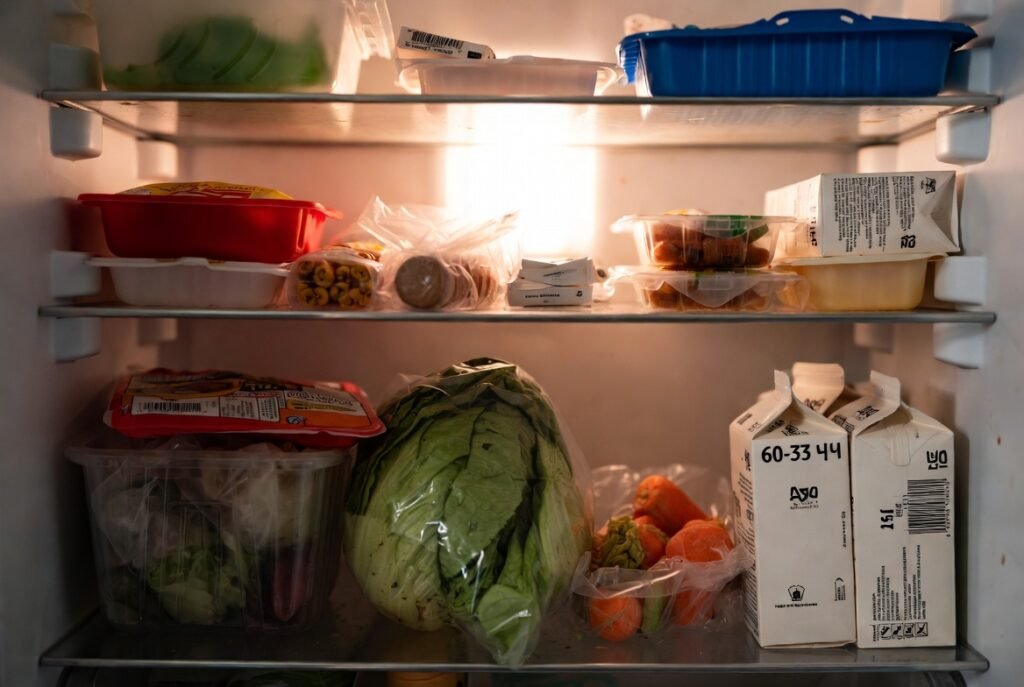
Hard stale bread, moldy cheese, or piles of empty takeout containers in the fridge are signs that the household is probably avoiding fresh groceries for economic reasons. It is truly sad to see people confess that they only purchase the cheapest non-perishable products or that’s the only way they can get by relying on giveaways.
Multiple Extension Cords and Power Strips Everywhere

Instead of fixing outlets or upgrading wiring, folks run long cords across rooms to avoid electrician bills. This safety hazard pops up in stories where people are cutting every corner to keep lights on without extra costs.
No Budgeting Tools or Planners in Sight

A complete absence of calendars, spreadsheets, or even a simple notebook for tracking expenses shows denial about money management. Those who’ve turned things around often say the first step was getting a basic system; if it’s missing, trouble’s brewing.
Over-the-Top Status Items Amid Clutter

A shiny new gadget or designer bag sitting next to bare walls and empty shelves highlights misplaced priorities, splurging on “looks” while basics suffer. Quora threads are full of people regretting these purchases that deepened their hole.
Shared or Cramped Sleeping Arrangements

Children sleeping in beds meant for two or grown-ups sleeping on sofas due to vacant rooms suggest shrinking or the lack of money to buy larger areas. It is a silent but strong indicator of pressured finances permeating one’s life and affecting the family’s relationships.
Extreme Temperature Control

Thermostat cranked way down in winter or fans off in summer to save on utilities, you notice it immediately when visiting. People share how they bundle up indoors or sweat it out just to keep bills low, a classic coping mechanism when money’s tight.
